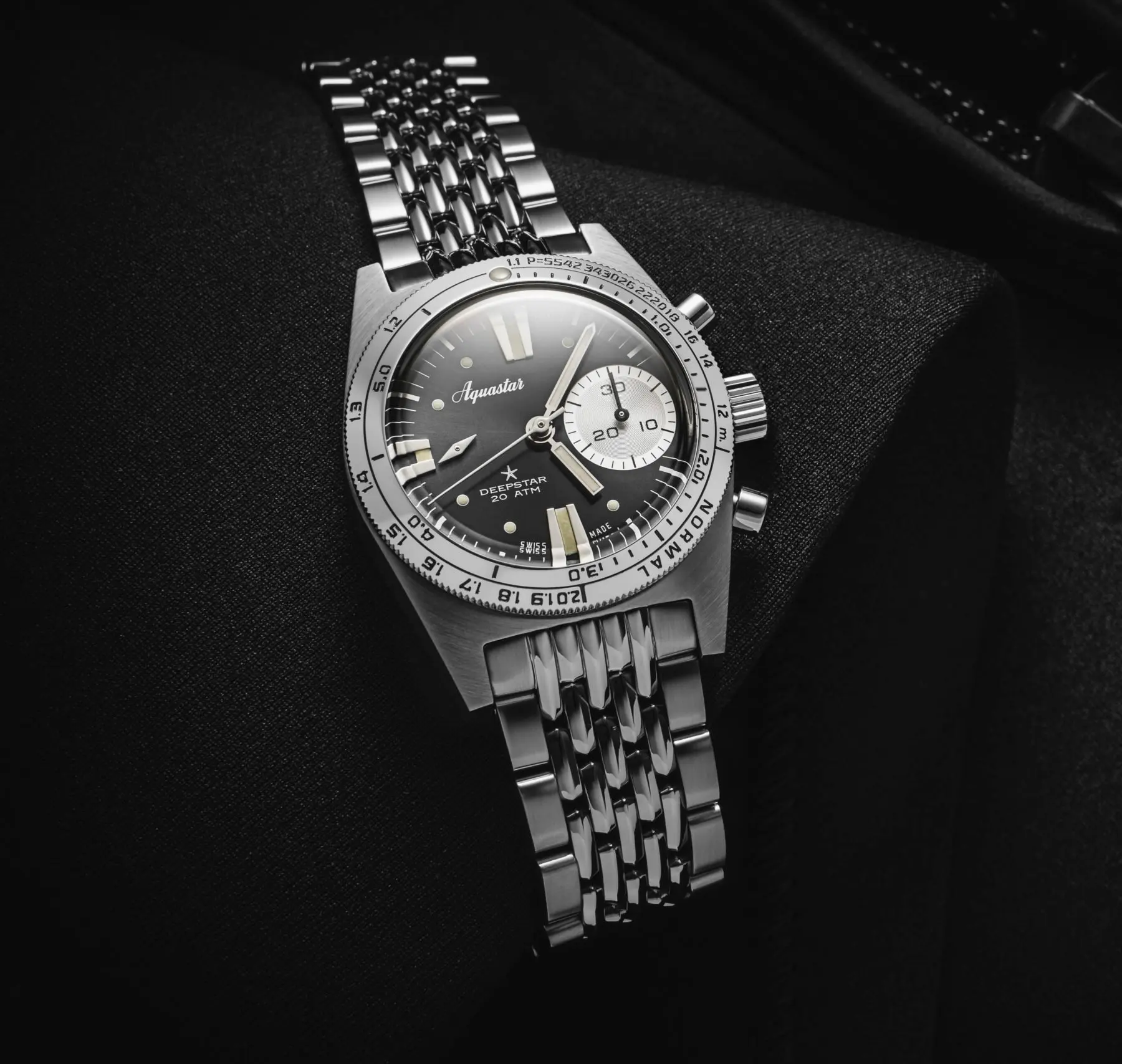
A dive watch is a wearable object that goes into salt water, travels, and can be lost or stolen anywhere in the world. Standard household contents insurance rarely covers such an item properly, so a valuable watch usually needs specific arrangements. Insurance is a subject where a small amount of preparation, done before anything goes wrong, makes the difference between a straightforward claim and a frustrating dead end. This is a general overview, not financial or legal advice; the details depend on your insurer and your country.
Why household contents cover is usually not enough
Most home contents policies treat a watch as ordinary belongings, which brings two problems. First, single-item limits: policies often cap the payout on any one item at a modest figure, well below the value of a good dive watch, unless the item is specifically listed. Second, location limits: standard contents cover typically protects belongings inside the home, not on your wrist at the dive site, in a hotel abroad, or in transit. A watch is worn everywhere, which is exactly where standard cover stops. The result is that a watch worth a serious sum may be effectively uninsured for the situations in which it is most at risk.
The scheduled item or valuables rider
The usual solution is to schedule the watch: to list it specifically on the policy as a named item with its own agreed value, often called a valuables rider, a personal-articles rider, or scheduled personal property depending on the market. Scheduling a watch typically provides:
- An agreed or specified value, so the payout is known in advance rather than argued after a loss.
- Worldwide, all-risks cover, protecting the watch wherever it is worn, not just at home, and usually against accidental loss and damage as well as theft.
- Coverage that follows the watch, including while travelling and, depending on the policy wording, while being worn in the water. Always confirm this last point explicitly, as some policies exclude certain activities.
A specialist watch or jewellery insurer, or a dedicated valuables policy, is often better suited to high-value pieces than a general home insurer, offering more appropriate valuations, repair-versus-replace terms, and understanding of the collector market.
What you need on file before a loss
The single most important thing you can do is assemble documentation now, while the watch is safely in your possession. Insurers and, in the event of theft, police need proof of ownership and value. Keep, in a safe place and ideally backed up digitally:
- Proof of purchase, the original invoice or receipt showing model, reference, and price.
- The serial and reference numbers, recorded separately from the watch itself. These identify the watch uniquely and are essential for police reports and for recovery if it turns up.
- Clear photographs, of the dial, the case back, the bracelet, and any distinguishing marks. Photograph the watch as it actually is, including any wear.
- A recent professional valuation or appraisal, especially for older or appreciating watches whose value has moved well above the original purchase price. Many insurers require an up-to-date appraisal to schedule an item, and values should be reviewed periodically.
- Any provenance documentation, box, papers, service records, which supports both the value and the identity of the watch. This overlaps with what matters for collecting and authentication.
Valuation and appreciating watches
Dive watches, particularly vintage and heritage pieces, can appreciate significantly over time. A watch insured for its purchase price years ago may now be worth considerably more, which means underinsurance: in a total loss you would receive less than the cost of replacement. Review the insured value periodically, and update the appraisal when the market moves. For watches whose value derives partly from originality and provenance, a valuation from a specialist who understands the model is worth more than a generic estimate. The factors that drive that value are the same ones covered in how to collect dive watches.
Practical points that trip people up
- Confirm water and travel cover explicitly. Do not assume a watch is covered while diving or abroad; get the inclusion in writing. A dive watch that is not insured while diving is missing cover for its core purpose.
- Understand the excess and the claims process. Know what you would pay out of pocket and what evidence a claim requires, before you need to make one.
- Check repair-versus-replace and like-for-like terms. For a discontinued or vintage watch, a cash settlement or a comparable replacement may be more realistic than an identical one, and the policy wording should reflect that.
- Keep documentation off-site or in the cloud. Records kept only next to the watch can be lost in the same fire or burglary. Back them up.
- Update after a service or modification. A fresh appraisal after a major service or a value-changing event keeps the cover accurate.
Insurance is the least glamorous part of owning a fine dive watch and the part owners most often postpone. The work is front-loaded: gather the papers, photograph the watch, get it valued, schedule it properly, and confirm the cover reaches the water and the airport. Done once, it turns a potential catastrophe into an administrative process, and it lets you actually wear the watch where it was built to go.
Frequently asked questions
Does home insurance cover a valuable dive watch?
Usually not adequately. Standard home contents policies often cap the payout on any single item well below a good watch's value unless it is specifically listed, and they typically cover belongings only inside the home, not on your wrist while travelling or diving. A valuable watch generally needs to be scheduled separately or covered by a specialist policy.
What is a scheduled item or valuables rider?
It is an addition to a policy that lists the watch specifically as a named item with its own agreed value. Scheduling a watch typically provides worldwide all-risks cover against loss, damage, and theft wherever the watch is worn, rather than the limited protection a general contents policy gives. Specialist watch and jewellery insurers often suit high-value pieces best.
What documents should I keep to insure my watch?
Keep the proof of purchase, the serial and reference numbers recorded separately from the watch, clear photographs of the dial, case back, and bracelet, a recent professional valuation, and any provenance such as box, papers, and service records. Store copies off-site or in the cloud so they are not lost in the same event as the watch.
Is my watch insured while I am diving with it?
Only if the policy says so explicitly. Some policies exclude certain activities or specific situations, so you should confirm in writing that the watch is covered while being worn in the water and while travelling. A dive watch that is not insured while diving is missing cover for exactly the situation it was built for.
How often should I revalue an insured watch?
Periodically, and whenever the market moves, because dive watches, especially vintage and heritage pieces, can appreciate well above their purchase price. A watch insured for an old value would be underinsured in a total loss. Update the appraisal so the agreed value reflects current replacement cost, ideally using a specialist who understands the model.
Related reading: How to collect dive watches · How to identify a genuine dive watch · Cleaning a dive watch · Vintage Aquastar models worth collecting