
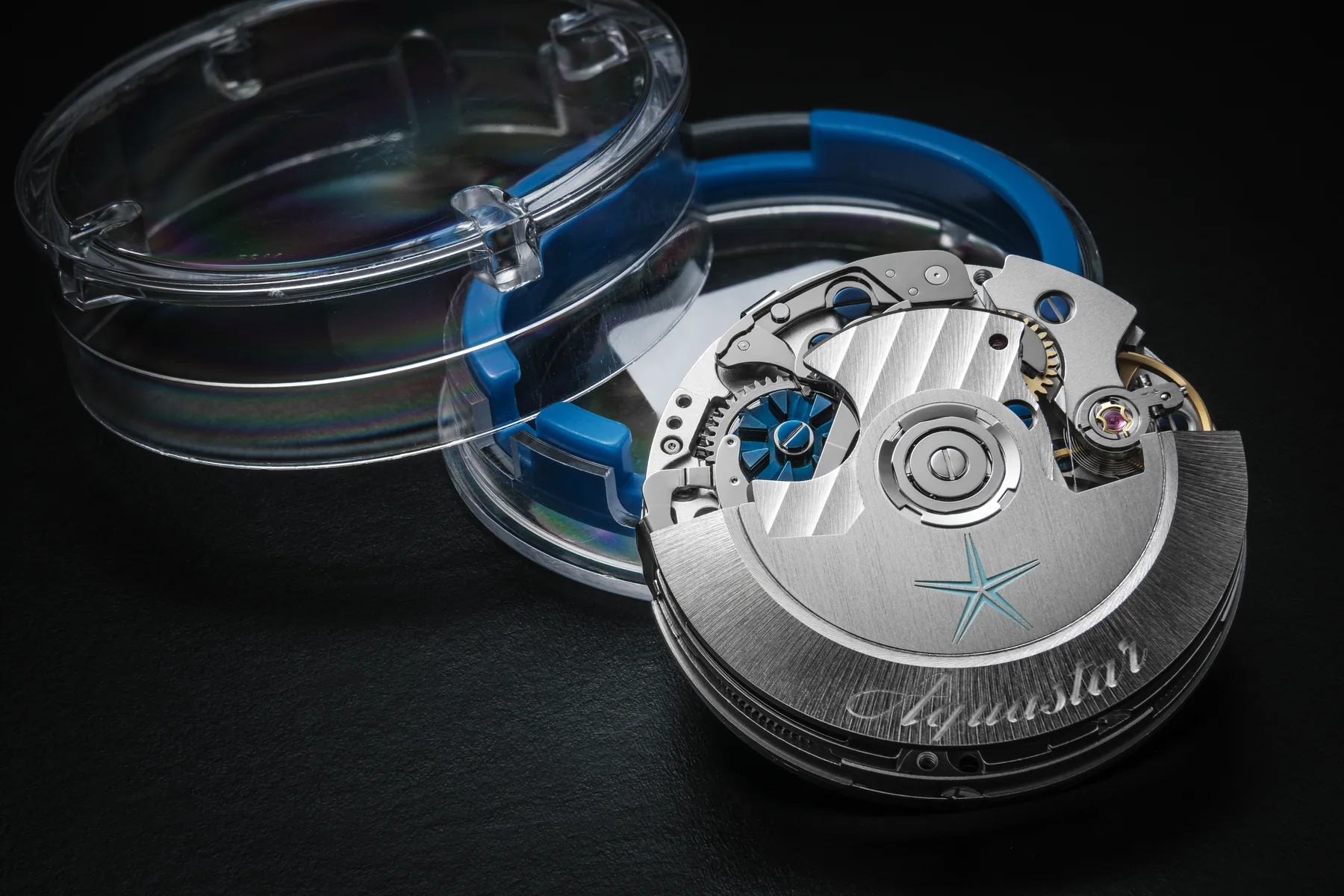
If you have ever read a chronograph review and seen the phrase “column wheel” mentioned in reverent tones, you may have wondered what it actually means and why it commands a premium. A chronograph is a watch with a built-in stopwatch, and the mechanism that starts, stops, and resets that stopwatch can be controlled in two main ways: by a column wheel or by a cam (also called a coulisse-lever or shuttle-cam system). This article explains how a column wheel chronograph works, how it differs from a cam-actuated one, and why the column wheel remains the mark of a more considered, higher-tier movement.
What a chronograph has to do
Every chronograph performs three jobs in sequence: start, stop, and reset to zero. When you press the top pusher the first time, a clutch engages the chronograph seconds hand to the running gear train so it begins to sweep. Press it again and the hand stops while the watch keeps telling the time. Press the lower pusher and the hand flies back to zero. Coordinating these actions, deciding which lever moves, which spring tensions, and which wheel engages at each press, is the job of the chronograph’s control organ.
That control organ is where the two design philosophies diverge. Both must translate a simple push of your finger into a precise, repeatable sequence of mechanical events. The difference lies in how elegantly, and how durably, they do it.
How a column wheel works
A column wheel is a small, intricately machined component that looks a little like a castle turret or a crown gear. It has a ring of vertical columns, typically six to nine, rising from a toothed base. With each press of the pusher, a clicking finger advances the wheel by one step, rotating it a fraction of a turn.
As the wheel rotates, the levers that control the chronograph rest either on top of a column or down in the gap between two columns. When a lever sits on a column, it is held away from the mechanism. When it drops into a gap, it engages. So a single rotation of this one part choreographs the whole start-stop-reset cycle: levers rise and fall in a fixed, repeatable rhythm dictated by the geometry of the columns. It is a beautifully economical solution, one rotating part orchestrating several others.
Because the engagement points are defined by precisely cut columns, the action is crisp and consistent. Watch enthusiasts often describe the feel of a column wheel pusher as having a clean, deliberate click, the result of the lever dropping cleanly into a machined gap rather than riding along a sloped surface.
How a cam (shuttle) system works
The cam-actuated system, sometimes called a coulisse-lever or shuttle-cam mechanism, replaces the column wheel with a flat, shaped cam that slides or pivots back and forth. Instead of levers rising and falling over vertical columns, they ride over the profiled edges of this cam. As the cam shifts position with each pusher press, its contours push the levers in and out of engagement.
The cam approach was developed largely as a way to make chronographs more affordable to manufacture. A stamped or simply machined cam is far cheaper to produce than a column wheel, which requires precise cutting and finishing of each individual column. Cam systems are also somewhat more tolerant of manufacturing variation, which makes them well suited to high-volume production.
It would be a mistake to dismiss cam chronographs as inferior in function. Some of the most successful and robust chronograph movements ever made are cam-actuated, and a well-made cam system can be every bit as reliable and accurate at timing as a column wheel. The differences are real, but they live more in feel, finishing, and prestige than in whether the stopwatch keeps good time.
Column wheel vs cam: the real differences
Once you strip away the marketing, the practical contrasts come down to a handful of points:
- Pusher feel: Column wheel systems generally give a smoother, more precise click. Cam systems can feel slightly stiffer or more mechanical, though good design narrows the gap.
- Cost and complexity: The column wheel is more expensive to make and to assemble, which is the main reason it appears in higher-tier movements.
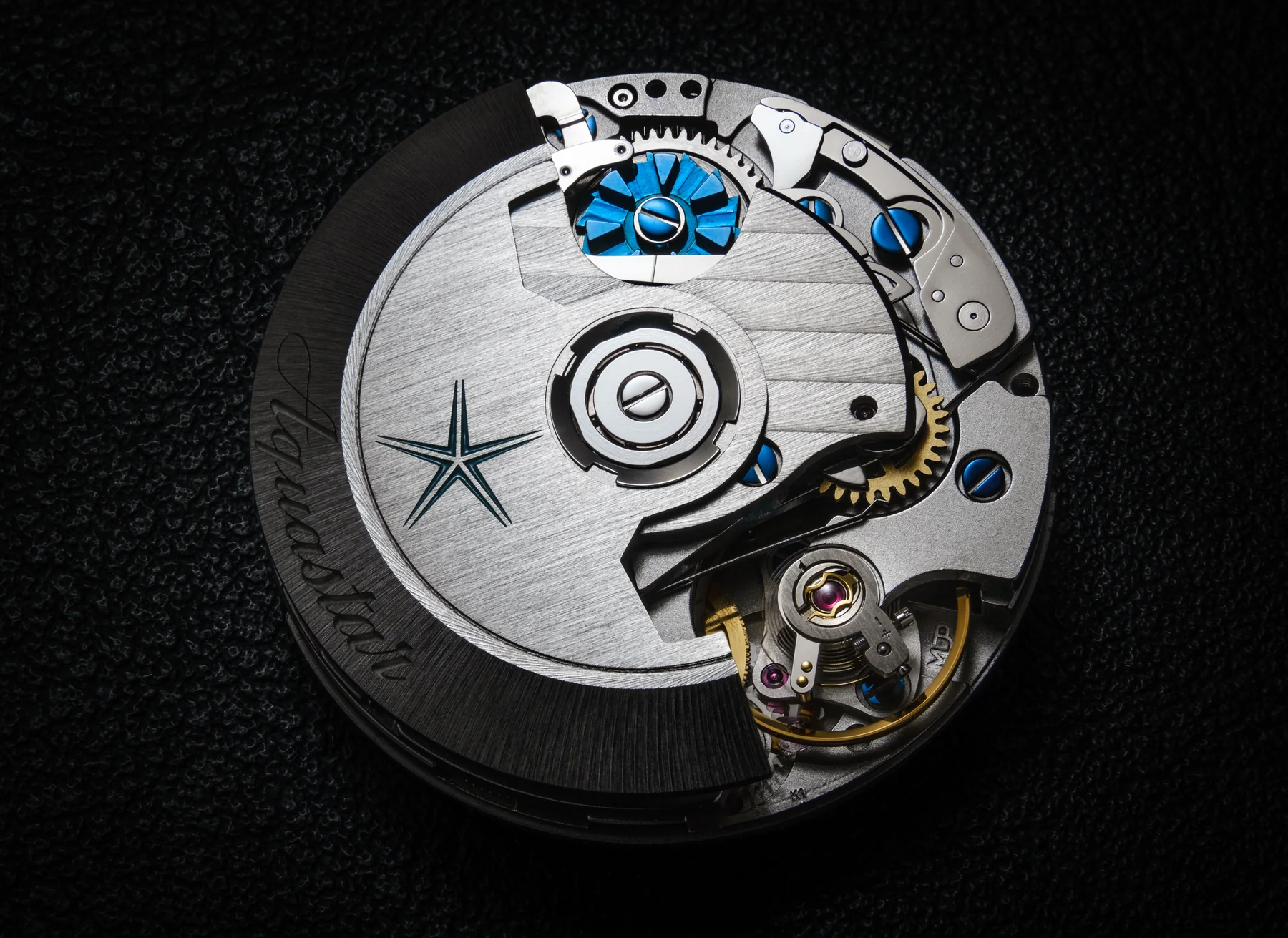
- Finishing and prestige: A column wheel is a visually appealing component, often shown off through a display caseback, and it carries genuine horological cachet.
- Durability: Both can last for decades with proper service. Cam systems are arguably a little more forgiving of wear, while column wheels reward careful regulation.
- Serviceability: A column wheel demands a more skilled hand to adjust correctly, which is one reason it is associated with finer watchmaking.
For most owners, the deciding factor is not measurable performance but the sense that a column wheel represents the older, more refined way of building a chronograph. It is the architecture that the great manually wound chronographs of the twentieth century used, and it remains the choice when a brand wants to signal that no shortcut was taken.
Why premium dive and sports chronographs favour the column wheel
In a sports or dive chronograph, the chronograph function is not a decorative afterthought. It is a timing tool, used to measure elapsed minutes underwater or on the track, and the crisp, dependable action of the pushers matters to the person using it. A column wheel delivers that tactile confidence, the clean engagement that tells you the timing has started or stopped exactly when you intended.
This is why you find column wheel architecture in the chronograph calibres chosen for higher-tier Swiss sports watches. The La Joux-Perret L113 and the related L100 family are column wheel chronograph movements, built by an independent Swiss movement specialist and selected for watches where the chronograph is meant to be used, not just admired.
The column wheel in an Aquastar chronograph
Aquastar is a useful worked example, because the chronograph is not an add-on to the brand, it is the point. Frédéric Robert founded Aquastar in Geneva in 1957, and the Deepstar chronograph that followed in 1962 carried a no-decompression bezel patented in 1964, a genuine timing instrument for divers rather than a dress complication.
The modern Deepstar keeps that logic. The Deepstar III runs the La Joux-Perret Calibre 1MPS, a column-wheel chronograph that La Joux-Perret developed exclusively for the model, an undertaking very few makers of Aquastar’s size ever commission. The result is the architecture this article describes, the clean column-wheel engagement, sitting inside a case built for the water and paired with the tool-watch discipline the brand has followed since the 1950s. It is the difference between a column wheel shown off through a display back and one that is actually there to be used.
If you are weighing up a chronograph and the column wheel question matters to you, look past the brochure language and ask what the movement actually is. A genuine column wheel chronograph, finished and regulated well, is one of the more satisfying mechanical objects you can wear on your wrist. To see how that architecture sits inside a purpose-built Swiss dive chronograph, explore the Aquastar Deepstar family, or read how it fits the wider case for a Swiss tool watch.
Frequently asked questions
Is a column wheel chronograph better than a cam?
Not in the sense of keeping better time. A well-made cam chronograph can be just as accurate and reliable as a column wheel. The column wheel is generally smoother and more precise in pusher feel, more expensive to make and finish, and more demanding to service, which is why it appears in higher-tier movements. The advantage is in feel, finishing and prestige rather than measurable timing performance.
How can I tell if a chronograph has a column wheel?
The reliable way is to check what the movement actually is rather than the brochure language. Look up the calibre: a column wheel is a specific, documented component, so the maker or the movement supplier will state it. Many column-wheel movements are shown through a display caseback, where the wheel looks like a small toothed turret with vertical columns. The pusher feel, a clean deliberate click, is a hint but not proof.
What movement does the Aquastar Deepstar use?
The Aquastar Deepstar III uses the La Joux-Perret Calibre 1MPS, a column-wheel chronograph movement that La Joux-Perret developed exclusively for the model. La Joux-Perret is an independent Swiss movement specialist whose L113 and L100 column-wheel family is chosen for sports and dive chronographs meant to be used.
Why do column wheel chronographs cost more?
Because the column wheel itself is expensive to produce and to assemble. Each column has to be precisely cut and finished, and regulating the mechanism correctly takes a more skilled hand than adjusting a cam system. That extra cost in parts and labour is the main reason column-wheel architecture is reserved for higher-tier movements.