

Dive Watch Complications List: at a glance
Dive watch complications list: bezels, helium valves, decompression scales and timing tools — mechanical features that turn a watch into an instrument. Use this guide on dive watch complications list to weigh design choices, engineering trade-offs and how the category translates to real Aquastar dive watches.
| Topic | Dive watch complications list |
| Read time | 5-8 min |
| Source | Aquastar editorial |

Choosing the right dive watch complications can feel overwhelming when you’re navigating dozens of mechanical features, each promising enhanced safety and precision underwater. Mechanical complications combine Swiss craftsmanship with practical safety features, transforming a timepiece into a critical dive tool. This comprehensive guide explores essential dive watch complications from foundational bezels to advanced decompression tracking systems, helping you understand which mechanical features deliver genuine value for recreational and professional diving. Whether you’re exploring vintage innovations or modern patents, you’ll discover how each complication serves a specific purpose in the demanding underwater environment.
Table of Contents
- Key takeaways
- Understanding the must-have mechanical complications in dive watches
- Advanced mechanical complications for depth and decompression tracking
- Comparing dive watch case technologies enhancing reliability and water resistance
- Notable dive watch complication innovations from Swiss craftsmanship history
- Explore advanced dive watches and tool watch expertise at Aquastar
- Frequently asked questions
Key Takeaways
| Point | Details |
|---|---|
| Unidirectional bezel | It only rotates counterclockwise to prevent underestimating elapsed dive time, enhancing decompression safety. |
| Depth gauge mechanics | Mechanical depth gauges use Boyle Mariotte principle to display depth without electronics, providing real time readings. |
| No decompression bezel | This bezel links depth with maximum safe bottom time, enabling instant dive planning without electronic devices. |
| Helium escape valve | This feature vents helium during ascent to prevent buoyancy issues and supports deeper or longer dives. |
| Twin Safety Bezel | Patented Twin Safety Bezel uses two independent rotating bezels to track decompression obligations based on depth and time. |
Understanding the must-have mechanical complications in dive watches
The unidirectional rotating bezel stands as the most critical dive watch complication, preventing divers from underestimating elapsed time underwater. This mechanical feature can only rotate counterclockwise, ensuring that if accidentally moved during a dive, it will only overestimate time elapsed, never underestimate it. This design principle directly supports safe decompression and prevents potentially fatal nitrogen buildup in your bloodstream.
ISO 6425 standards define the specific requirements for dive watch safety features, including precise bezel function with clear 5-minute markings and luminous indicators. Standard bezels allow you to track elapsed time with mechanical reliability that doesn’t depend on batteries or electronic systems. The tactile click of each bezel position provides confirmation even in zero-visibility conditions, making it a fundamental tool for dive planning.
Pro Tip: Always align your bezel’s luminous marker with your minute hand at dive start, not the 12 o’clock position, for instant elapsed time reading without mental calculation underwater.
When evaluating basic bezel complications, consider these practical factors. Ceramic bezels resist scratching better than aluminum but can crack under severe impact. Aluminum inserts develop character patina over time while maintaining functionality. Sapphire bezel inserts offer scratch resistance with added weight and cost. The must-have diver watch features extend beyond the bezel to include luminous markers, screw-down crowns, and water resistance ratings that work together as a complete safety system.
Advanced mechanical complications for depth and decompression tracking
Mechanical depth gauges represent sophisticated complications that use the Boyle-Mariotte principle to indicate real-time depth underwater without electronic components. These gauges typically feature a sealed tube with air that compresses proportionally to water pressure, moving an indicator across a graduated scale. The Pierre Kunz Spirit Diver measures up to 80m on its case back, showcasing how mechanical ingenuity delivers critical depth data through pure physics.

Doxa’s no-decompression bezel revolutionized dive safety by linking depth with maximum bottom time before mandatory decompression stops become necessary. This unique complication features color-coded zones corresponding to different depth ranges, with time markers indicating safe dive duration at each depth. Unlike standard timing bezels, the no-deco bezel provides instant dive planning capability, letting you determine safe bottom time before descending.
The Bühlmann Decompression 02 features patented Twin Safety Bezel, a decompression dial with 17 dive profiles, helium escape valve, and 575m water resistance. This advanced complication transforms a mechanical watch into a comprehensive dive computer backup, tracking multiple dive parameters simultaneously. The system uses two independent rotating bezels that work together to calculate decompression obligations based on depth and time.
Pro Tip: Mechanical decompression complications serve as critical backups to electronic dive computers but should never replace proper dive planning and computer monitoring for technical diving.
Understanding how decompression bezels assist dive planning requires knowing these key principles:
- Set the outer bezel to your planned maximum depth before descending
- Align the inner bezel’s zero marker with your minute hand at dive start
- Read the intersection of both bezels during your dive to determine remaining no-stop time
- Monitor continuously as depth changes affect your decompression obligations
- Surface immediately if you exceed no-decompression limits without proper training
Chronographs integrated with depth measurement first appeared in the vintage Favre Leuba Bathy, combining elapsed time tracking with mechanical depth indication. This dual complication lets you precisely measure dive segments while monitoring depth, essential for professional diver watch features in commercial diving operations. The mechanical chronograph provides split-second accuracy without battery dependence, maintaining reliability in extreme underwater conditions.
Comparing dive watch case technologies enhancing reliability and water resistance
Super compressor cases increase seal integrity under pressure, using water pressure itself to compress gaskets and improve waterproofing as depth increases. This ingenious design allows vintage professional dive watches to achieve impressive water resistance ratings without modern materials. The case back features an internal spring that pushes against the movement, creating tighter seals as external pressure builds.
Helium escape valves prevent crystal damage during saturation diving decompression, when helium molecules that penetrated the case during long exposures at depth need to escape rapidly. Without this valve, helium pressure building inside the case during decompression can literally pop the crystal off. Commercial divers working in hyperbaric environments require this complication for watch survival, though recreational divers rarely need it.
| Case Technology | Water Resistance | Pressure Response | Best Application |
|---|---|---|---|
| Super Compressor | 200-300m typical | Improves under pressure | Vintage professional diving |
| Screw-Down Case Back | 300-1000m+ | Consistent seal | Modern recreational and tech diving |
| Standard Case Back | 100-200m maximum | Degrades under pressure | Surface water sports only |
| Monocoque Case | 500m+ | Excellent pressure distribution | Extreme depth professional diving |
Pro Tip: Choose case technology based on your deepest planned dives plus a 50% safety margin, and consider whether you’ll service the watch yourself or need professional case opening tools.
The dive watch cases guide explores how modern materials like titanium and ceramic enhance traditional case designs while maintaining mechanical reliability. Titanium cases offer superior strength-to-weight ratios and corrosion resistance compared to stainless steel. Ceramic cases provide exceptional scratch resistance but require careful handling to prevent impact damage. Understanding these material properties helps you select complications housed in cases that match your diving environment and handling preferences.
Notable dive watch complication innovations from Swiss craftsmanship history
Doxa’s no-decompression bezel invented in 1966 revolutionized dive safety by providing instant access to US Navy dive tables directly on the watch bezel. This innovation linked depth with maximum dive time without mandatory decompression stops, creating a tool that professional divers could trust for planning safe ascents. The bright orange dial and high-contrast markers became iconic in dive watch design, influencing generations of subsequent models.
Favre Leuba Bathy introduced in 1968 was the first mechanical watch combining a depth gauge with chronograph functionality. This milestone represented Swiss mechanical engineering at its finest, integrating two complex complications into a single dive instrument. The Bathy used an aneroid capsule system to measure depth, displaying readings on a dedicated sub-dial while the chronograph tracked elapsed dive time with precision.
IWC Deep One featured an internal rotating bezel mechanically linked to depth measurement, showcasing advanced engineering that protected the bezel from accidental adjustment underwater. This complication used a crown-operated internal bezel combined with a mechanical depth gauge, creating a streamlined profile without external rotating elements. The innovation demonstrated how Swiss watchmakers continuously refined dive watch functionality through mechanical ingenuity rather than electronic solutions.
“These historical complications reflect Swiss dedication to functional elegance in dive watches, where every mechanical feature serves a specific safety purpose rather than mere aesthetic appeal. The patents filed during the 1960s golden age of dive watch development established principles still guiding modern professional timepiece design.”
Aquastar’s contribution to dive watch innovation includes pioneering the first analog dive computer and introducing the skindiver case design. These patents paved the road for modern dive watch complications, establishing Aquastar as the only Swiss watchmaker born exclusively to manufacture dive watches. The best dive watch brands comparison explores how these historical innovations continue influencing contemporary mechanical dive watch design and functionality.
Explore advanced dive watches and tool watch expertise at Aquastar
Now that you understand the mechanical complications defining professional dive watches, you can explore how Aquastar continues this Swiss tradition of functional innovation. Our comprehensive guides help you navigate the technical specifications and historical context behind every complication.
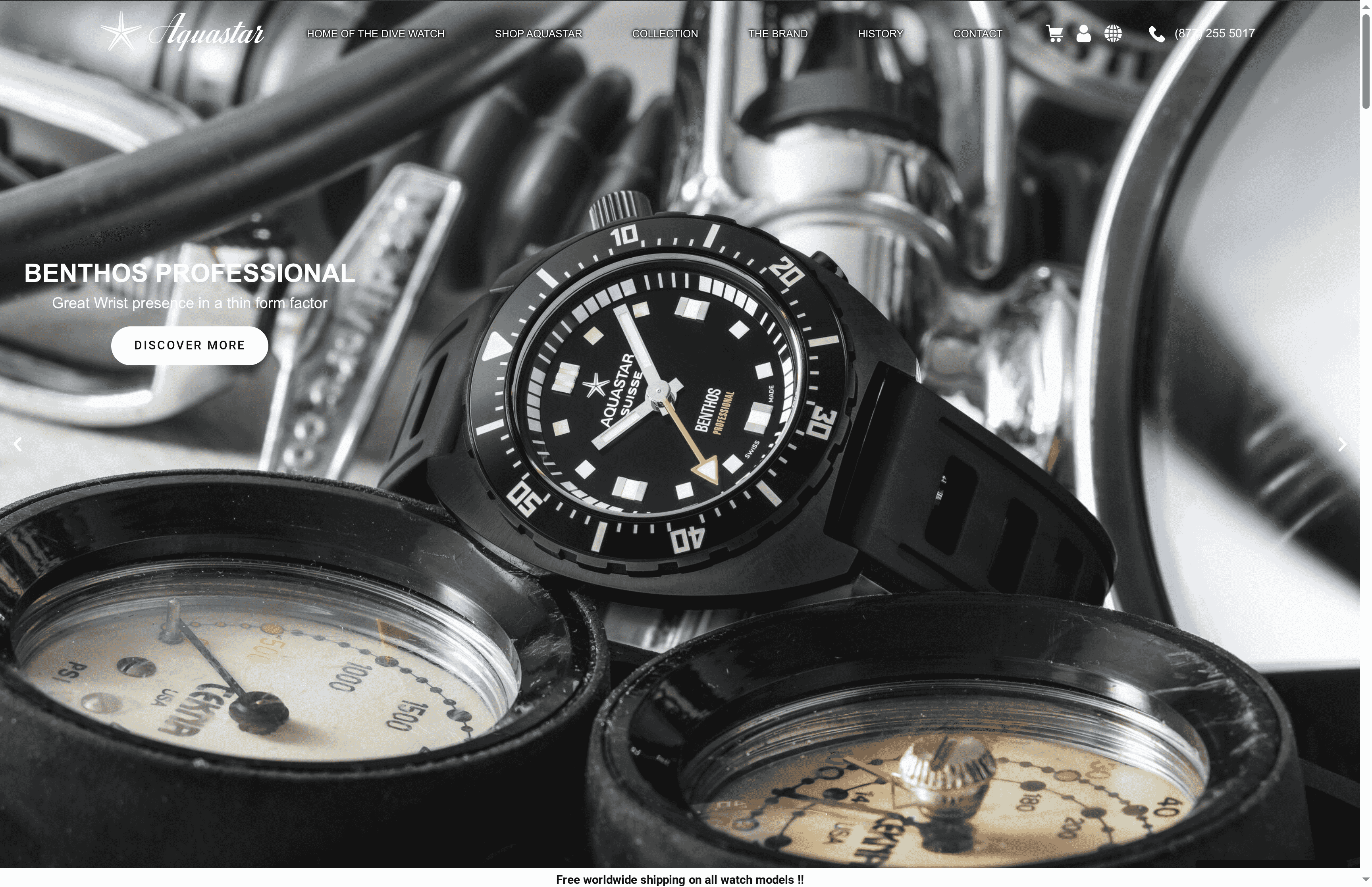
Discover detailed comparisons of tool watches explained guide covering mechanical features across diving, aviation, and professional applications. Learn how professional diver watch features work together as integrated safety systems rather than isolated complications. Access our best dive watch brands comparison to understand how different manufacturers approach mechanical dive watch design philosophy and patent innovation.
Frequently asked questions
What is a dive watch complication?
A dive watch complication is any mechanical feature beyond basic timekeeping that enhances underwater functionality and safety. These include rotating bezels for elapsed time tracking, depth gauges measuring water pressure, decompression calculators, helium escape valves, and chronographs for precise interval timing.
Do I need a helium escape valve for recreational diving?
No, recreational divers operating within no-decompression limits and using standard air or nitrox never need helium escape valves. This complication serves only commercial and technical divers conducting saturation diving in helium-rich breathing gas environments for extended periods.
How accurate are mechanical depth gauges compared to electronic dive computers?
Mechanical depth gauges typically measure within 5-10% accuracy, sufficient for backup depth awareness but less precise than electronic computers measuring within 1-2%. They serve as reliable backup instruments that function without batteries or electronics that can fail underwater.
Can I use a chronograph complication underwater safely?
Most dive watch chronographs feature sealed pushers designed for underwater operation, but always verify your specific model’s rating. Activating chronograph pushers underwater on non-rated models can compromise water resistance and flood the movement, causing catastrophic damage.
What makes the unidirectional bezel safer than a bidirectional one?
Unidirectional bezels only rotate counterclockwise, so accidental movement during a dive can only increase apparent elapsed time, never decrease it. This fail-safe design prevents underestimating bottom time, which could lead to skipping necessary decompression stops and risking decompression sickness.
Are vintage dive watch complications still reliable for actual diving?
Vintage complications can remain mechanically sound if properly serviced, but gaskets, seals, and water resistance degrade over time. Have any vintage dive watch pressure tested and serviced by qualified watchmakers before using it for actual diving, and consider it a backup to modern electronic instruments.
Recommended
- 7 Must-Have Diver Watch Features for 300m+ Professional Use – Aquastar dive watches
- Automatic vs Manual Dive Watches: Complete Guide – Aquastar dive watches
- How to Identify Genuine Dive Watches Like a Pro – Aquastar dive watches
- Military Diver Watch Explained: Complete Collector Guide – Aquastar dive watches