
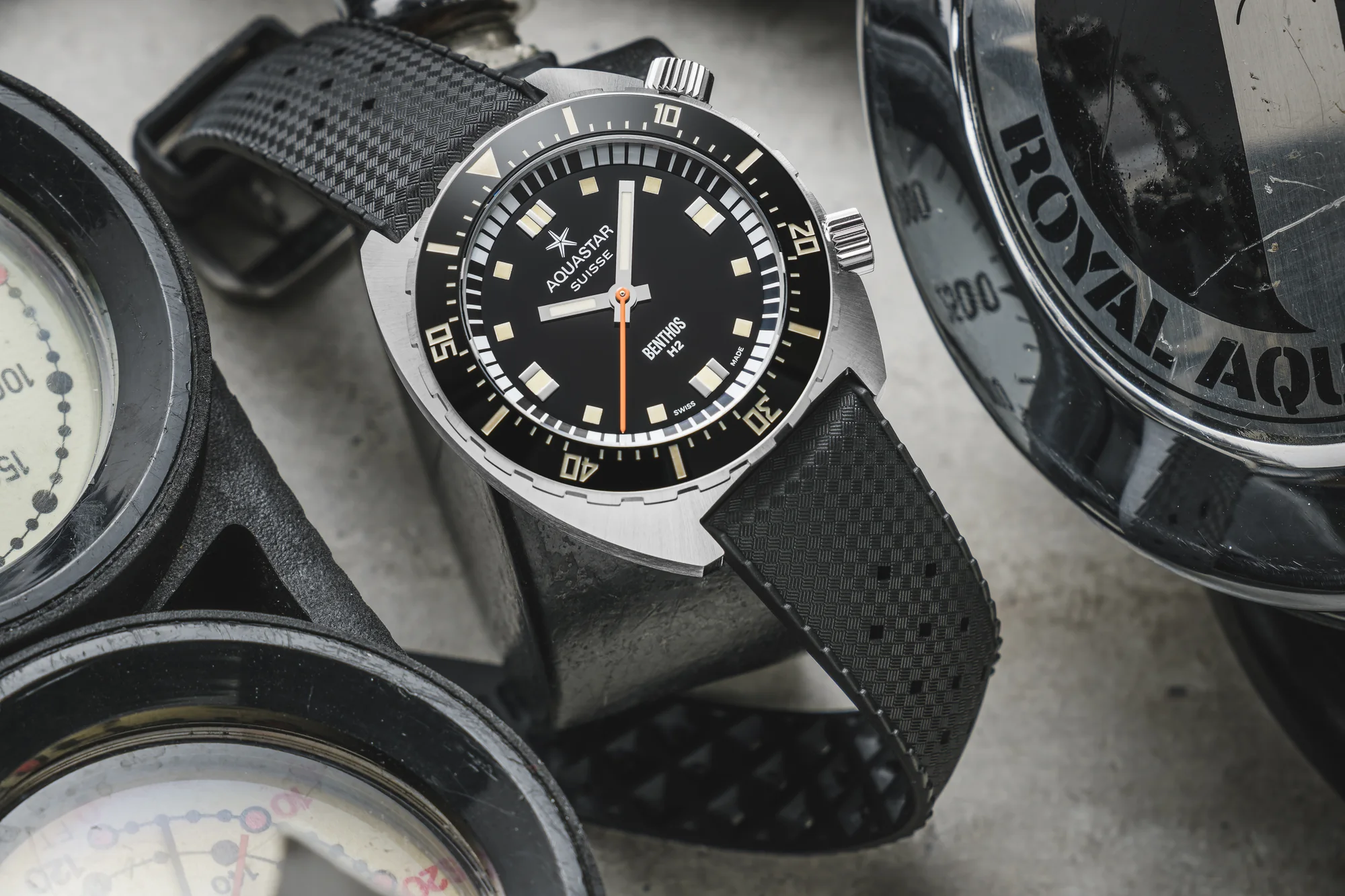
What Is A Microbrand Watch: at a glance
What is a microbrand watch? Limited production runs, direct sales, transparent pricing and the mechanical movements behind microbrand dive watches. Use this guide on what is a microbrand watch to weigh design choices, engineering trade-offs and how the category translates to real Aquastar dive watches.
| Topic | What is a microbrand watch |
| Read time | 5-8 min |
| Source | Aquastar editorial |

Many collectors assume microbrand watches are inferior knockoffs or obscure novelties. This misconception misses the real story: microbrands deliver mechanical craftsmanship, innovative dive features, and exceptional value at accessible prices. Watch enthusiasts recognize microbrands as creative alternatives to luxury giants, offering limited production runs, direct sales, and transparent pricing. This guide explores what defines a microbrand watch, the mechanical movements and dive specs they use, business realities they face, and how to appreciate and collect these timepieces. Whether you seek a reliable dive watch or a unique collector piece, understanding microbrands empowers smarter choices and deeper appreciation for horological innovation.
Table of Contents
- What Defines A Microbrand Watch?
- Mechanical Movements And Dive Watch Specs Common To Microbrands
- Business Realities And Growth Potential Of Microbrand Watches
- How To Appreciate And Collect Microbrand Dive Watches
- Explore Aquastar’s Dive Watches And Guides
Key takeaways
| Point | Details |
|---|---|
| Definition | Small independent companies produce limited runs, typically 300-1000 units per model, sold direct to consumers under $2000. |
| Mechanical movements | Common calibers include Seiko NH35, Miyota 9015/9039, and Sellita SW200-1, offering 38-42 hour power reserves and 200-500m water resistance. |
| Business challenges | Startup costs average $110k with 39% Kickstarter success rates, while quality control and after-sales service vary significantly. |
| Growth potential | Some microbrands scale to major enterprises like Christopher Ward, which reached $49M revenue, driven by 22% market CAGR. |
| Collector value | Limited production creates exclusivity, but verify warranty, service options, and spare parts availability before purchasing. |
What defines a microbrand watch?
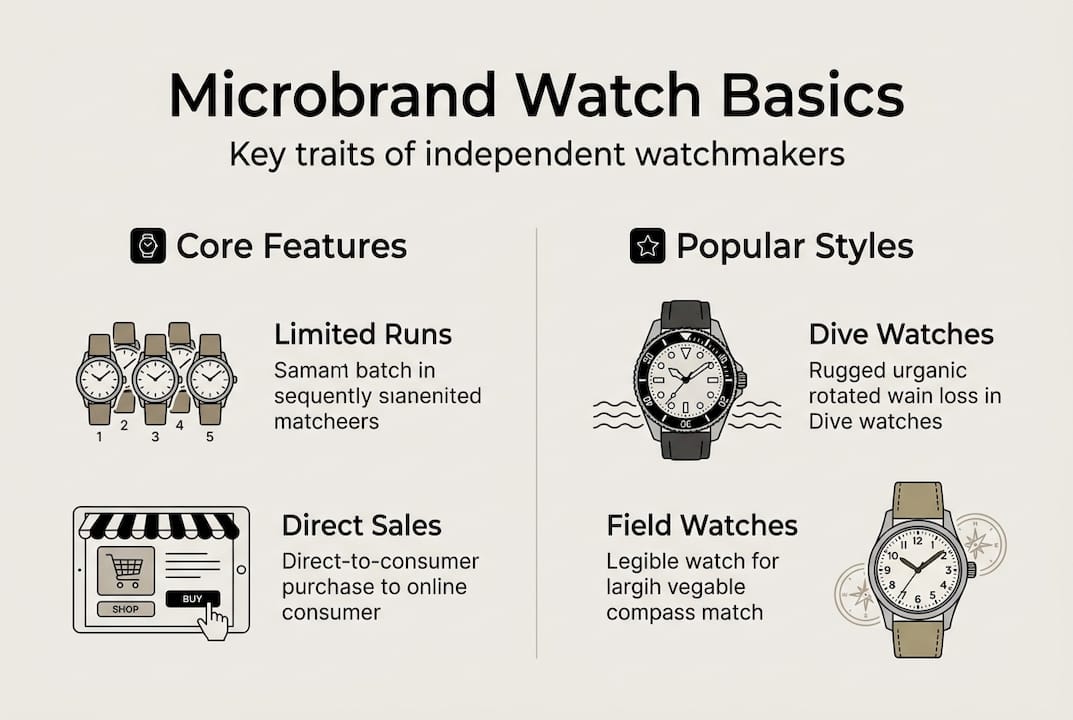
A microbrand watch is produced by small independent companies with limited runs and direct-to-consumer sales, often priced under $2000. These operations typically involve one founder or a small team focused on creative design rather than mass production. Annual output stays under 5000 watches total, with individual models limited to 300-1000 units. This scale allows microbrands to experiment with bold aesthetics, niche complications, and specialized features that larger manufacturers avoid.
Most microbrands bypass traditional retail channels, selling directly through websites or crowdfunding platforms. This approach eliminates dealer markups and enables competitive pricing. You pay for materials and craftsmanship, not marketing budgets or boutique overhead. The sub-$2000 price point positions microbrands between fashion watches and luxury brands, offering mechanical movements and quality finishing at accessible costs.
Manufacturers often run by one person or small teams focusing on creativity prioritize community engagement over volume sales. Founders interact directly with customers through forums, social media, and email, building loyal followings. This transparency extends to production processes, with many brands documenting assembly, sourcing, and design decisions publicly. Collectors value this authenticity and connection to the maker.
Production constraints shape microbrand identity. Limited runs create natural scarcity, appealing to collectors seeking exclusivity without luxury price tags. However, small batches also mean fewer economies of scale, higher per-unit costs, and potential service challenges if a brand discontinues operations. Understanding these tradeoffs helps you evaluate whether a microbrand aligns with your collecting goals.
Microbrands excel in niche categories like dive watches, field watches, and pilot chronographs. They often reinterpret vintage designs with modern materials and movements, appealing to enthusiasts who appreciate tool watches with functional heritage. This focus on specific genres allows microbrands to develop expertise and community credibility within their chosen specialty.
Mechanical movements and dive watch specs common to microbrands
Microbrands rely on proven mechanical calibers from established suppliers. The Seiko NH35 runs at 21,600 vibrations per hour with 38-hour power reserve, offering reliable timekeeping at low cost. The Miyota 9015 and 9039 operate at 28,800 vph with 42-hour reserves, providing smoother seconds hand sweep and better shock resistance. The Sellita SW200-1, a Swiss alternative to the ETA 2824-2, also runs at 28,800 vph with 38-hour reserve, appealing to brands emphasizing Swiss provenance.
These movements deliver comparable performance to luxury calibers at a fraction of the cost. Microbrands use reliable mechanical movements like Seiko NH35, Miyota 9015/9039, and Sellita SW200-1, offering high specs at accessible prices. The NH35 costs manufacturers around $30-40, while the Miyota 9015 runs $50-70, and the Sellita SW200-1 reaches $100-150. This cost efficiency allows microbrands to invest in cases, crystals, and finishing while maintaining competitive retail prices.
Dive watch specifications among microbrands typically include 200-500m water resistance, screw-down crowns, and unidirectional bezels. Case sizes range from 40-43mm diameter with 11-13mm thickness, balancing wrist presence with comfort. Sapphire crystals with anti-reflective coatings protect dials, while ceramic bezel inserts resist scratching and fading. Lume quality varies, but many microbrands use Swiss Super-LumiNova for long-lasting visibility underwater.
| Movement | Frequency | Power Reserve | Typical Cost |
| — | — | — |
| Seiko NH35 | 21,600 vph | 38 hours | $30-40 |
| Miyota 9015 | 28,800 vph | 42 hours | $50-70 |
| Sellita SW200-1 | 28,800 vph | 38 hours | $100-150 |
Pro Tip: Understanding movement specs helps you spot quality microbrand watches. A 28,800 vph movement offers smoother operation than 21,600 vph, while Swiss calibers like Sellita provide servicing advantages over Japanese alternatives in some regions.
Bracelet and strap quality significantly impacts wearing experience. Microbrands often include multiple strap options, from rubber dive bands to NATO textiles and steel bracelets. Solid end links, milled clasps, and tool-free micro-adjustments distinguish well-executed designs from budget compromises. Comparing these details across brands reveals which prioritize complete package value versus cutting costs on secondary components.
Some microbrands differentiate through proprietary complications or case designs. Limited budgets prevent in-house movement development, but creative case architecture, dial layouts, and finishing techniques create distinctive identities. This innovation appears in automatic vs manual dive watches comparisons, where microbrands explore both winding systems to serve different user preferences. Evaluating these must have diver watch features helps you identify brands pushing boundaries versus those simply assembling commodity parts.
Business realities and growth potential of microbrand watches
Startup costs average $110k for minimum 300-unit orders with typical unit costs of $200-367, creating significant financial barriers. Founders must secure funding, negotiate with suppliers, and manage inventory risk before generating revenue. Minimum order quantities from case manufacturers, dial makers, and movement suppliers force microbrands to commit capital upfront, often through personal savings or crowdfunding.
Kickstarter campaigns achieve 39% success rates in the watch category, meaning six in ten projects fail to reach funding goals. Successful campaigns still face fulfillment challenges, including production delays, quality control issues, and shipping logistics. Backers sometimes wait months beyond projected delivery dates, testing brand credibility and customer patience. This volatility makes microbrand investments riskier than established manufacturer purchases.
Quality control varies dramatically across microbrands. Small operations lack dedicated QC departments, relying on founders or contract inspectors to catch defects. Inconsistent finishing, misaligned chapter rings, or faulty movements occasionally slip through, damaging reputations and resale values. After-sales service presents similar challenges, as microbrands may lack parts inventory or technical expertise for complex repairs. These factors contribute to lower resale values compared to luxury brands with established service networks.
| Factor | Microbrand Reality | Luxury Brand Standard |
|---|---|---|
| Startup investment | $110k minimum | $1M+ typical |
| Production volume | 300-1000 units/model | 10,000+ units/model |
| Resale value | 40-60% of retail | 60-90% of retail |
| Service network | Limited or none | Global authorized centers |
Some microbrands transcend their origins to become major players. Christopher Ward grew from microbrand roots to $49M revenue, demonstrating scalability when quality and marketing align. The microbrand market grows at 22% CAGR from 2020-2025, reflecting increasing consumer interest in alternatives to luxury giants. This growth attracts venture capital and acquisition interest, potentially transforming successful microbrands into mid-tier manufacturers.
Pro Tip: Check for brand sustainability and parts availability when buying microbrands. Brands with transparent supply chains, published service policies, and active customer communities offer better long-term ownership experiences than those operating opaquely.
Founder dependency creates vulnerability. If the sole operator loses interest, faces health issues, or pursues other ventures, the brand may cease operations without succession planning. Customers holding watches from defunct microbrands struggle to source replacement parts or warranty service. This risk distinguishes microbrands from corporations with institutional continuity, making due diligence essential before purchase.
Direct-to-consumer models benefit customers through lower prices but limit try-before-you-buy opportunities. Viewing watches only through photos and videos makes assessing finishing quality, lume brightness, and wearing comfort difficult. Return policies vary, with some brands charging restocking fees or limiting return windows. Comparing best dive watch brands helps contextualize microbrand offerings against established alternatives, while learning to identify genuine dive watches prevents purchasing watches with exaggerated specifications.
How to appreciate and collect microbrand dive watches
Understanding a brand’s production philosophy reveals its commitment to quality and community. Research founder backgrounds, design inspirations, and manufacturing partnerships. Brands transparent about sourcing, assembly locations, and quality control processes typically deliver better products than those making vague claims about Swiss or Japanese origins. Community engagement through forums, social media, and customer service responsiveness indicates brands invested in long-term relationships versus quick sales.
Evaluating technical specs requires comparing claimed specifications against independent testing when available. Water resistance ratings should include pressure testing documentation, while lume performance benefits from real-world photos in dark conditions. Movement accuracy claims need context, as COSC certification costs prohibit most microbrands from official chronometer testing. Independent reviewers and owner forums provide valuable verification of manufacturer claims.
Limited production creates collector appeal but introduces service risks. Exclusive releases with numbered editions or unique dial variants attract enthusiasts seeking rarity. However, discontinued models may lack replacement parts if components fail years later. Balancing exclusivity against practical serviceability requires weighing your collecting priorities. Some collectors accept service limitations for unique pieces, while others prioritize long-term wearability over scarcity.
- Research brand history and founder credentials through independent reviews and community forums.
- Verify movement specifications and water resistance claims against industry standards.
- Assess warranty terms, service policies, and parts availability before purchasing.
- Engage with owner communities to learn about real-world performance and brand responsiveness.
- Compare pricing against similar specifications from established brands to confirm value.
- Inspect finishing quality through detailed photos or in-person viewing when possible.
Community forums like WatchUSeek, Reddit’s r/Watches, and brand-specific Facebook groups provide insights into ownership experiences. Members share photos, discuss quality issues, and coordinate group buys. Supporting brands with active communities increases likelihood of finding help with repairs, modifications, or resale when needed. True microbrands thrive on direct-to-consumer and community engagement but can be vulnerable to founder dependency, making community strength an important evaluation factor.
Maintaining diving features preserves both functionality and value. Gasket replacement every 2-3 years ensures water resistance integrity, while avoiding magnetic fields and impacts protects movement accuracy. Classic dive watch styles like black dials, rotating bezels, and luminous markers typically retain value better than trendy designs that date quickly. Collectors seeking appreciation potential should prioritize timeless aesthetics and proven complications over experimental designs.
Pro Tip: Prioritize brands with transparent quality control and customer service. Publicly documented inspection processes, responsive email support, and clear warranty terms indicate professional operations more likely to support your watch long-term.
Building a microbrand collection allows exploring diverse design philosophies and mechanical approaches at lower cost than luxury collecting. Focusing on specific genres like vintage reissues, modern tool watches, or innovative complications creates coherent collections with thematic unity. Learning to collect dive watches systematically helps avoid impulsive purchases while developing expertise in evaluating quality and value. Understanding tool watches broadly provides context for appreciating how microbrands interpret functional design traditions.
Explore Aquastar’s dive watches and guides
If microbrand innovation and dive watch heritage appeal to you, Aquastar offers expertly crafted timepieces rooted in pioneering mechanical design. As the only Swiss watchmaker born exclusively to produce dive watches, Aquastar filed numerous patents in the 1960s that shaped modern dive watch standards. The brand created the first analog dive computer and introduced the skindiver case, innovations still relevant today.
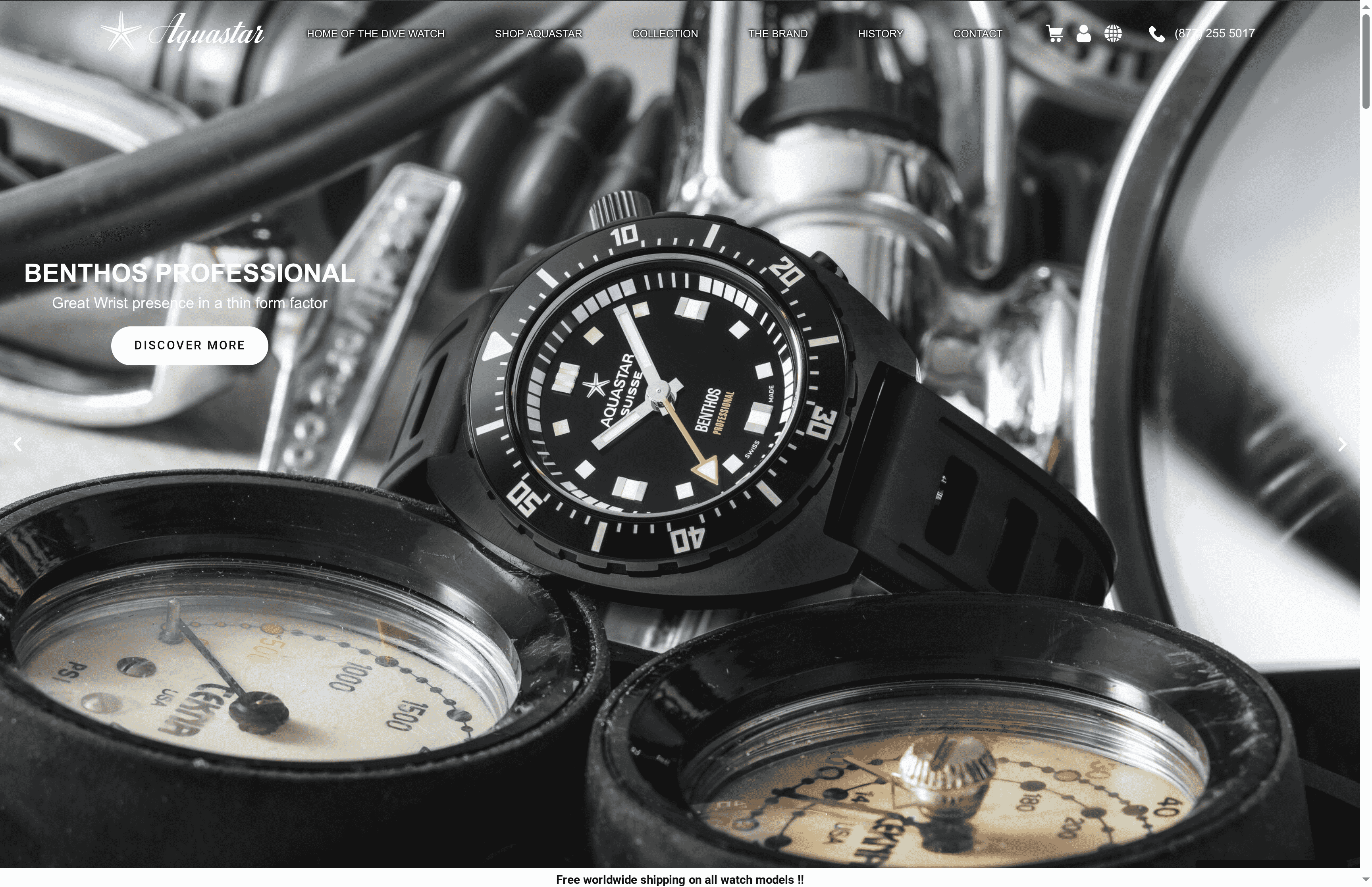
Aquastar continues manufacturing professional dive watches for commercial and recreational divers who need mechanical backup for digital dive computers. Comprehensive guides on tool watches, essential diver watch features, and collecting strategies deepen your understanding while helping you choose your ideal timepiece. Combining expert guidance with Aquastar’s collections empowers confident decisions whether you’re starting a collection or adding a proven professional tool to your rotation.
Frequently asked questions
What is a microbrand watch?
A microbrand watch comes from small independent companies producing limited runs, typically 300-1000 units per model, sold directly to consumers under $2000. These brands focus on creative designs and mechanical movements rather than mass production. They offer alternatives to luxury watches with transparent pricing and community engagement.
Are microbrand watches reliable for diving use?
Most microbrand dive watches meet standard 200-500m water resistance with sapphire crystals and quality movements like Seiko NH35 or Miyota 9015. Reliability depends on brand quality control and proper maintenance. Verify pressure testing documentation and gasket service intervals before trusting any watch for serious diving.
How do microbrands compare to traditional luxury watch brands?
Microbrands offer innovative designs and proven mechanical movements at lower prices by eliminating retail markups and marketing costs. Luxury brands provide heritage, in-house movements, global service networks, and higher resale values but cost significantly more. Choose based on whether you prioritize accessibility and creativity or prestige and investment potential.
What should I know before buying a microbrand watch?
Verify warranty terms, service policies, and parts availability through brand websites and owner forums. Research founder backgrounds and production transparency to assess long-term viability. Consider limited resale value compared to luxury brands, and inspect finishing quality through detailed photos or in-person viewing when possible.
Do microbrand watches hold their value?
Microbrand watches typically retain 40-60% of retail value compared to 60-90% for luxury brands, reflecting smaller secondary markets and limited brand recognition. Limited editions from respected microbrands occasionally appreciate, but most depreciate similarly to mid-tier production watches. Buy for enjoyment and functionality rather than investment potential.
Recommended
- Tool Watches Explained: Complete Guide – Aquastar dive watches
- Best Dive Watch Brands – Expert Comparison 2025 – Aquastar dive watches
- How to Identify Genuine Dive Watches Like a Pro – Aquastar dive watches
- Military Diver Watch Explained: Complete Collector Guide – Aquastar dive watches
- Heritage brand vs microbrand vs homage: which dive watch keeps its value – Aquastar dive watches