
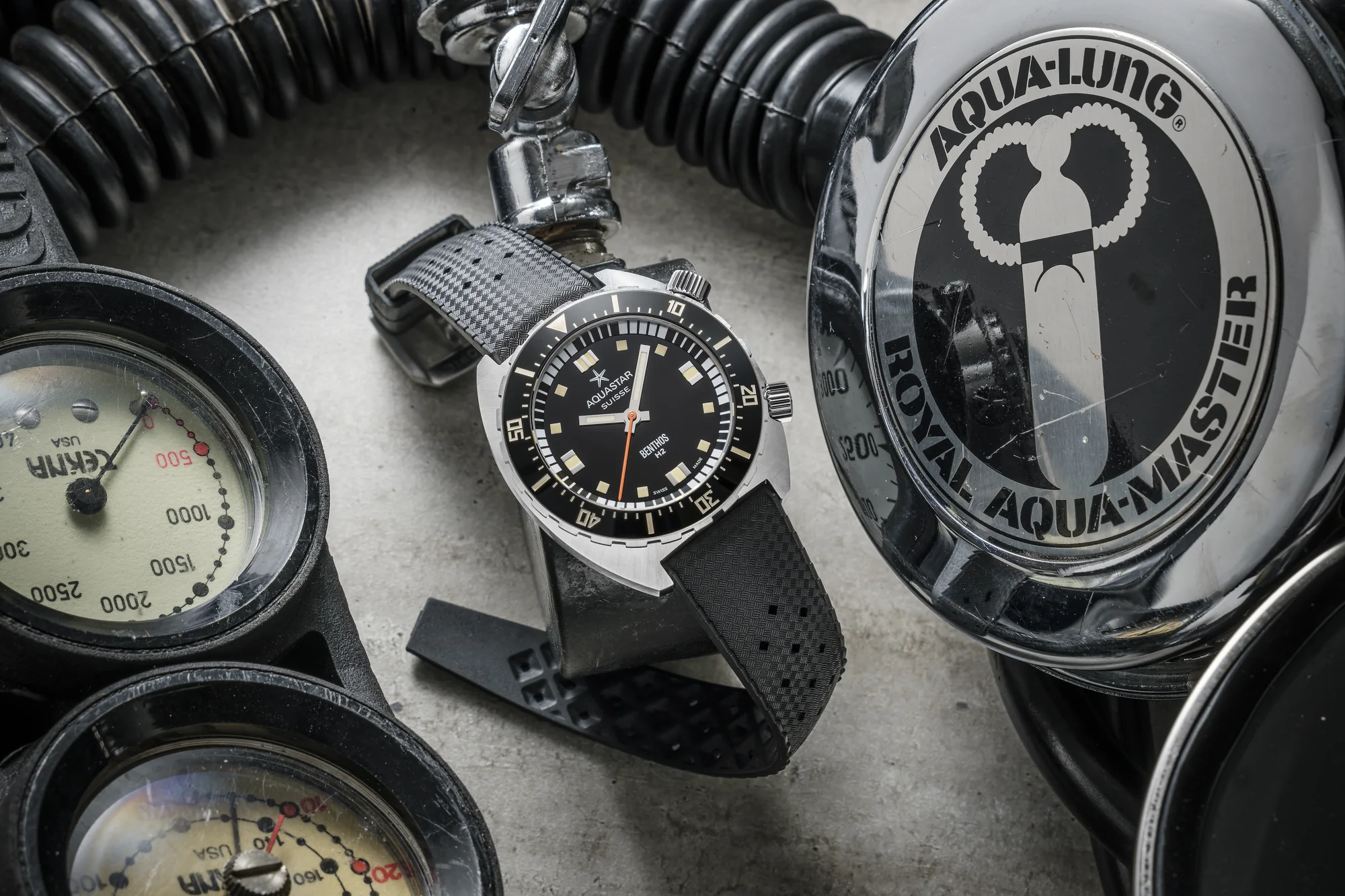
Dive Watch Timing Bezels: at a glance
Learn how dive watch timing bezels work, their critical safety role, and proper usage techniques. Discover why professional divers rely on mechanical…. Use this guide on dive watch timing bezels to weigh design choices, engineering trade-offs and how the category translates to real Aquastar dive watches.
| Topic | Dive watch timing bezels |
| Read time | 5-8 min |
| Source | Aquastar editorial |
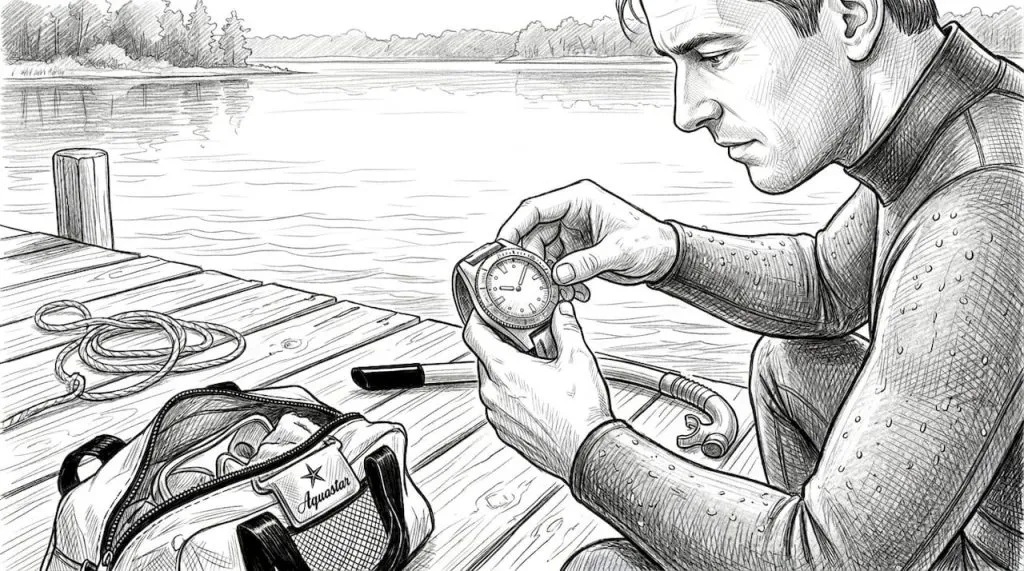
Most divers believe timing bezels track remaining air supply. This is a dangerous misconception. A timing bezel’s primary function is measuring elapsed time underwater, particularly for decompression and safety stops. Understanding how these mechanical instruments work can mean the difference between a safe ascent and decompression sickness. You’ll learn the true purpose of timing bezels, how to use them correctly during dives, and why professional divers still rely on this mechanical backup even with modern dive computers.
Table of Contents
- What is a timing bezel?
- The evolution and mechanics of bezels in dive watches
- How to use a timing bezel during a dive
- Safety stops, decompression, and what most people get wrong
- Choosing and maintaining a reliable timing bezel
- Discover top dive watches with professional-grade timing bezels
- Frequently asked questions
Key Takeaways
| Point | Details |
|---|---|
| Purpose of timing bezel | The timing bezel helps divers track elapsed time for decompression and safety stops, not air supply. |
| Backup safety tool | Timing bezels remain essential mechanical backups even with modern dive computers. |
| Proper use matters | Align the bezel at the start of a dive and check regularly to avoid miscalculations. |
| Choosing quality materials | Select bezels made from materials like ceramic or steel for durability during frequent dives. |
What is a timing bezel?
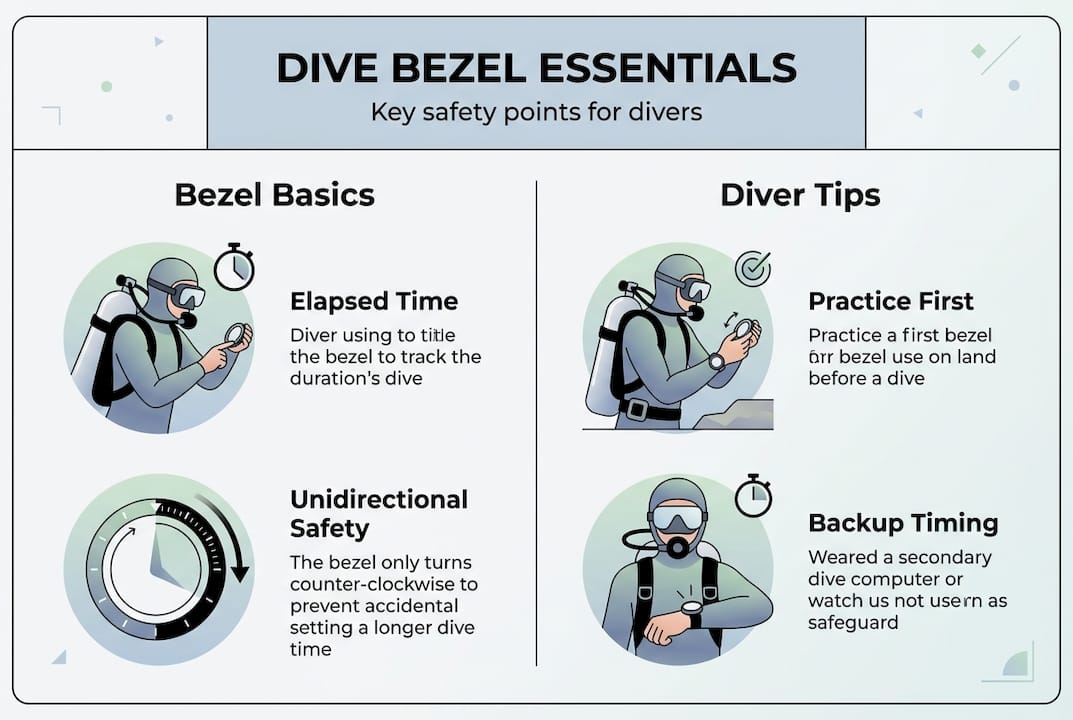
A timing bezel is a rotating ring mounted on a dive watch that allows you to monitor elapsed time during underwater activities. Unlike decorative bezels found on dress watches, dive watch bezels serve a critical safety function. The bezel features minute markings around its circumference, typically with the first 15 or 20 minutes highlighted for quick reference during safety stops.
Most professional diver watch features include unidirectional bezels that rotate only counterclockwise. This design prevents accidental bumps from extending your perceived dive time, which could lead to insufficient decompression. If the bezel moves during a dive, it can only reduce the displayed elapsed time, adding a margin of safety rather than risk.
The primary applications of timing bezels include:
- Decompression stop timing: Monitoring required stops at specific depths based on dive tables
- Safety stop tracking: Ensuring you complete the recommended 3-5 minute stop at 5 meters
- Dive stage management: Tracking time spent at various depths during multi-level dives
- Bottom time calculation: Recording total time spent below the surface
Timing bezels help divers make decompression stops using dive tables by aligning the bezel to depth and time parameters. This mechanical system requires no batteries, displays no error messages, and functions reliably in conditions where electronic devices might fail.
The evolution and mechanics of bezels in dive watches
Timing bezels emerged in the 1950s when recreational diving gained popularity and divers needed reliable tools to manage underwater time. Before dive computers became standard equipment in the 1980s, mechanical timing bezels were the primary method for tracking elapsed time and calculating decompression obligations. Aquastar pioneered several innovations during this era, filing patents that established standards still used in modern dive watches.
The mechanical design of timing bezels incorporates several safety features:
- Ratcheting mechanism: Creates distinct clicks (typically 60 or 120 per rotation) that provide tactile feedback, allowing divers to adjust the bezel even with thick gloves
- Unidirectional rotation: A spring-loaded pawl engages with internal teeth, permitting only counterclockwise movement
- Friction fit: Sufficient resistance prevents accidental rotation while allowing intentional adjustment
- Luminous markers: Applied to the zero marker and key intervals for visibility in low-light conditions
| Era | Bezel Innovation | Safety Impact |
|---|---|---|
| 1950s | First rotating bezels | Basic elapsed time tracking |
| 1960s | Unidirectional mechanisms | Prevention of time extension errors |
| 1970s | Improved ratchet systems | Enhanced tactile feedback |
| 1980s | Luminous marker standards | Better low-visibility operation |
| 2000s | Ceramic inserts | Scratch resistance and longevity |
Modern dive computers provide comprehensive data including depth, temperature, ascent rate, and nitrogen loading. However, timing bezels offer mechanical backup in case electronic dive computers fail. Battery depletion, water ingress, or electronic malfunction can render a dive computer useless, but a mechanical bezel continues functioning regardless of conditions.
When identifying genuine dive watches, examine the bezel’s construction quality and rotation feel. Professional-grade watches like the Benthos 500 Chronograph feature precisely engineered bezels with consistent click spacing and zero play in the mounting system.

How to use a timing bezel during a dive
Operating a timing bezel correctly requires understanding both the mechanism and your dive plan. The process is straightforward but demands attention to detail, particularly when wearing gloves or managing other equipment.
Follow these steps for proper timing bezel operation:
Pre-dive setup: Before entering the water, rotate the bezel so the zero marker aligns with the minute hand of your watch. Some divers prefer aligning with the hour hand for longer dives, but minute hand alignment provides greater precision.
Descent monitoring: As you descend, glance at your watch to confirm the bezel hasn’t shifted. The minute hand’s position relative to the bezel’s markings shows elapsed time since you started your dive.
Bottom time tracking: Throughout your dive, the minute hand moves clockwise while the bezel remains stationary. The bezel marking aligned with the minute hand indicates total elapsed time.
Safety stop timing: When you reach your safety stop depth (typically 5 meters), note the bezel position. Wait until the minute hand advances the required duration, usually 3-5 minutes, before ascending.
Surface interval: After surfacing, you can leave the bezel in position to track surface interval time, or reset it for the next dive.
Pro Tip: Practice bezel operation in a pool or shallow water before relying on it during deeper dives. Familiarize yourself with the click spacing and rotation resistance while wearing your diving gloves, as the tactile experience differs significantly from bare-handed operation.
A common mistake is attempting to use the timing bezel for calculating remaining air supply. Divers use timing bezels for measuring elapsed time, not to estimate air supply. Your pressure gauge or dive computer provides accurate air consumption data. The bezel tracks time only, which you then reference against your dive tables or computer to determine decompression obligations.
When comparing automatic vs manual dive watches, remember that bezel operation remains identical regardless of movement type. The bezel’s mechanical independence from the watch movement ensures it functions even if the watch stops running.
Safety stops, decompression, and what most people get wrong
The relationship between timing bezels and dive safety centers on decompression management. When you breathe compressed air underwater, nitrogen dissolves into your tissues at rates determined by depth and time. Ascending too quickly without proper decompression allows this nitrogen to form bubbles in your bloodstream, causing decompression sickness.
Bezel timing is essential for 3-5 minute safety stops at 5 meters, not for air limit estimation. Even on no-decompression dives, this precautionary stop allows excess nitrogen to off-gas, significantly reducing decompression sickness risk. The timing bezel provides a simple, reliable method for tracking this critical safety interval.
Dive computers have largely replaced manual calculations using dive tables, but they haven’t eliminated the need for timing bezels. Consider these scenarios:
| Situation | Dive Computer | Timing Bezel |
|---|---|---|
| Battery dies mid-dive | Non-functional | Continues working |
| Water ingress damage | Displays errors | Unaffected |
| Accidental mode change | Shows incorrect data | Maintains accuracy |
| Extreme cold conditions | May freeze or slow | Mechanical reliability |
Pro Tip: Set your timing bezel at the start of your dive even when using a computer. This redundancy costs nothing and provides peace of mind. If your computer fails, you can complete your dive using the bezel and conservative dive table estimates.
The most dangerous misconception about timing bezels is that they indicate when you’ll run out of air. This misunderstanding has led to accidents where divers focused on bezel time rather than monitoring their pressure gauges. Your air consumption rate varies based on depth, exertion level, breathing efficiency, and individual physiology. No timing bezel can account for these variables.
“A timing bezel tracks one thing: elapsed time. It cannot measure air consumption, calculate nitrogen loading, or determine safe ascent rates. These functions require either dive computers or manual calculations using pressure gauges and dive tables. The bezel’s simplicity is its strength, providing reliable time measurement without attempting to replace specialized instruments.”
Understanding professional dive watch features means recognizing that each component serves a specific purpose. The timing bezel handles elapsed time, the pressure gauge monitors air supply, and the depth gauge tracks your position in the water column. Using each tool for its intended function creates a comprehensive safety system.
Choosing and maintaining a reliable timing bezel
Selecting a dive watch with a dependable timing bezel requires evaluating materials, construction quality, and maintenance requirements. The bezel experiences constant exposure to saltwater, sand, and physical impacts, making durability a primary concern.
Material considerations for timing bezels:
- Stainless steel: Corrosion-resistant, affordable, and easily serviced, though susceptible to scratches that can affect legibility over time
- Ceramic: Extremely scratch-resistant and colorfast, maintaining appearance for decades, but more expensive and potentially brittle under severe impacts
- Aluminum: Lightweight and traditional, found on vintage models, but prone to fading and wear
- Titanium: Combines light weight with excellent corrosion resistance, though specialized tools may be required for servicing
The bezel insert, which carries the minute markings, deserves particular attention. Ceramic bezel inserts resist scratching and maintain legibility even after years of use. Luminous markers should use modern compounds that remain visible throughout a dive without requiring light exposure.
Maintenance practices extend bezel life and ensure reliable operation:
- Freshwater rinse: After every dive, rinse the watch thoroughly, rotating the bezel under running water to flush out salt, sand, and debris
- Rotation check: Weekly, rotate the bezel through its full range, feeling for consistent click spacing and smooth movement
- Alignment verification: Confirm the zero marker aligns precisely with the 12 o’clock position when set
- Professional servicing: Every 2-3 years, have a watchmaker inspect the bezel mechanism, replace gaskets, and verify water resistance
Sand ingress represents the most common bezel problem. Fine particles work their way between the bezel and case, creating grinding sensations and potentially damaging the ratchet mechanism. If you notice decreased rotation smoothness or inconsistent clicks, seek professional cleaning immediately rather than forcing the bezel.
Mechanical backup through timing bezels remains a best practice for serious divers. Models like the Benthos Professional incorporate bezels engineered to professional standards, with precise tolerances and materials selected for long-term reliability in demanding conditions.
When evaluating bezel quality, test the rotation yourself. A professional-grade bezel should rotate smoothly with consistent resistance throughout its range. Each click should feel distinct and evenly spaced. Excessive play or wobble indicates poor manufacturing tolerances that may worsen with use.
Discover top dive watches with professional-grade timing bezels
Aquastar has pioneered dive watch innovation since the 1960s, when the company filed patents that established standards for modern timing bezels and dive watch construction. As the only Swiss watchmaker founded exclusively to manufacture dive watches, Aquastar understands the critical role timing bezels play in diver safety.
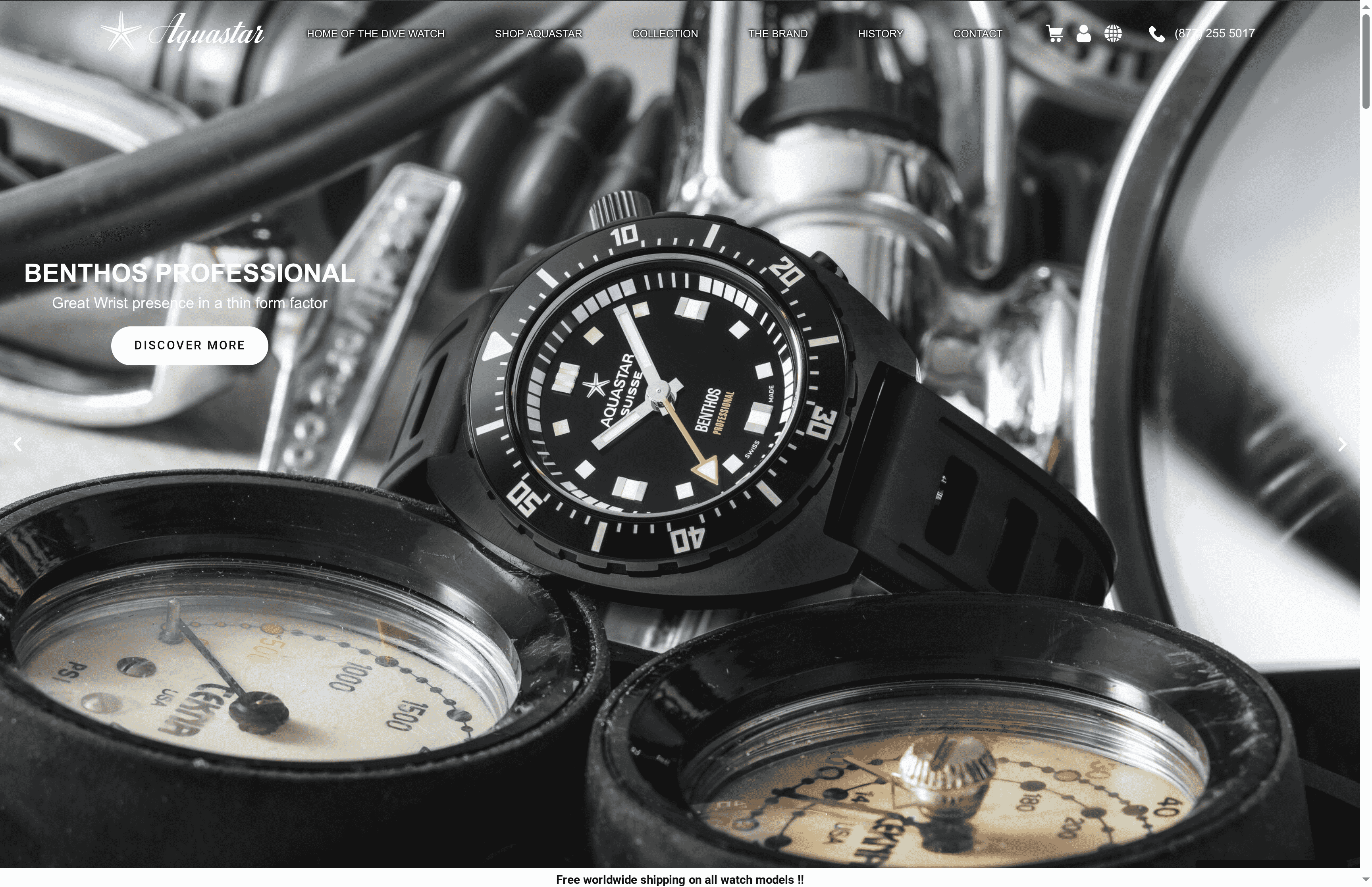
The brand’s commitment to professional-grade equipment extends beyond historical significance. Today’s Aquastar models incorporate decades of field experience and feedback from commercial and recreational divers who rely on mechanical backups to complement their dive computers. Each timing bezel undergoes rigorous testing to ensure it meets the demands of professional diving environments.
Explore comprehensive resources to understand what separates professional dive watches from recreational models. The diver watch features guide details the specific characteristics that define reliable dive instruments, while the tool watch explained guide provides context for how dive watches fit within the broader category of purpose-built timepieces. For those comparing options across manufacturers, the best dive watch brands analysis offers objective evaluation criteria based on construction quality, heritage, and real-world performance.
Frequently asked questions
Why is the bezel on a dive watch unidirectional?
A unidirectional bezel rotates only counterclockwise, so accidental bumps can only shorten, not extend, elapsed dive time. This design prioritizes safety by ensuring timing errors favor caution rather than risk.
Can a timing bezel replace a dive computer?
A bezel serves as backup rather than replacement. While computers provide more data, bezels offer simple, reliable timing for critical dive stages if electronics fail.
Do all timing bezels use the same materials?
No, materials vary significantly. Ceramic and steel are popular for durability and underwater legibility, while aluminum and titanium offer different advantages in weight and corrosion resistance.
Is the bezel used to track air supply?
No, timing bezels measure elapsed time only. Use a pressure gauge or dive computer to monitor remaining air supply accurately.