
Posted on

What Is a Heritage Dive Watch?

What Is a Heritage Dive Watch?

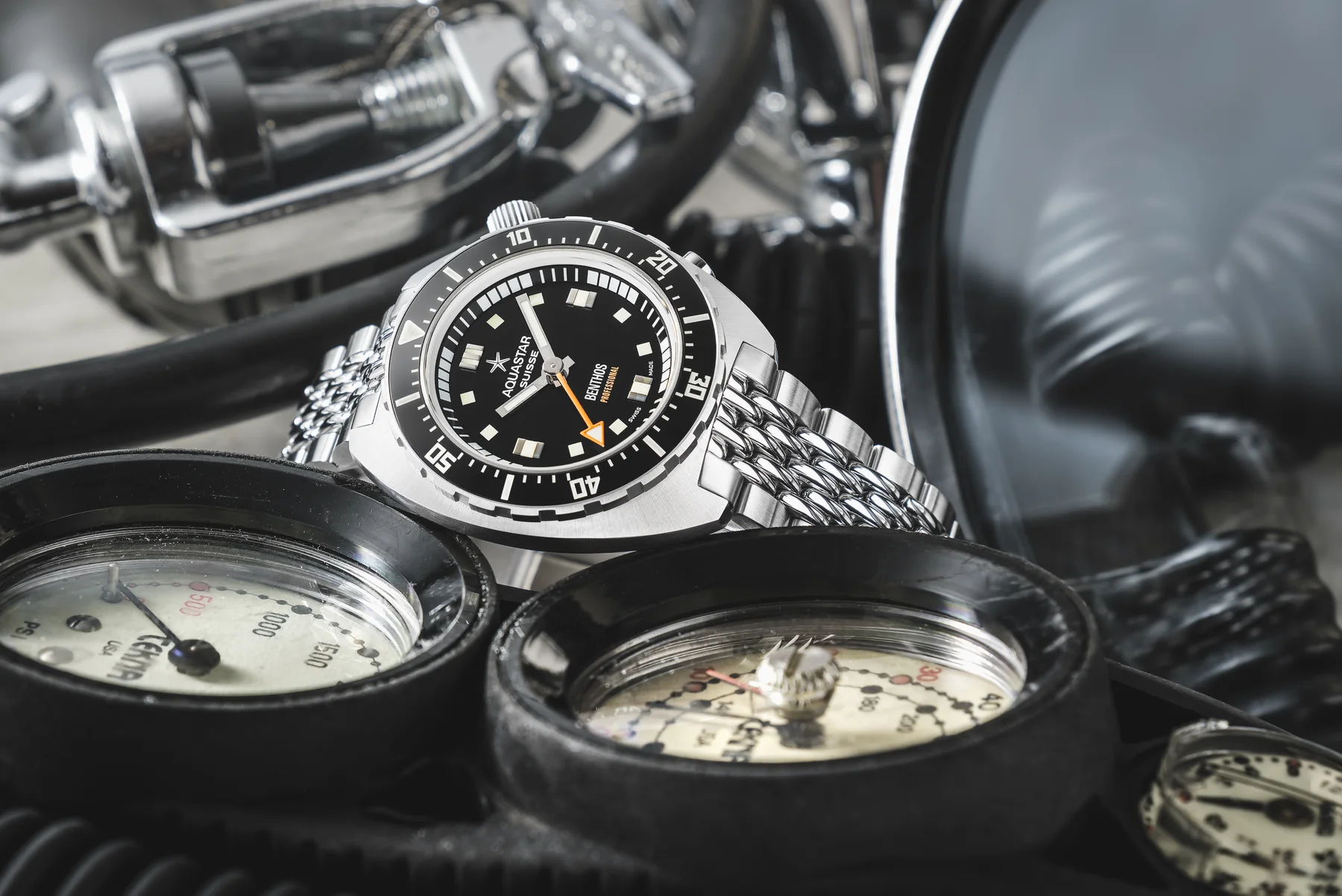
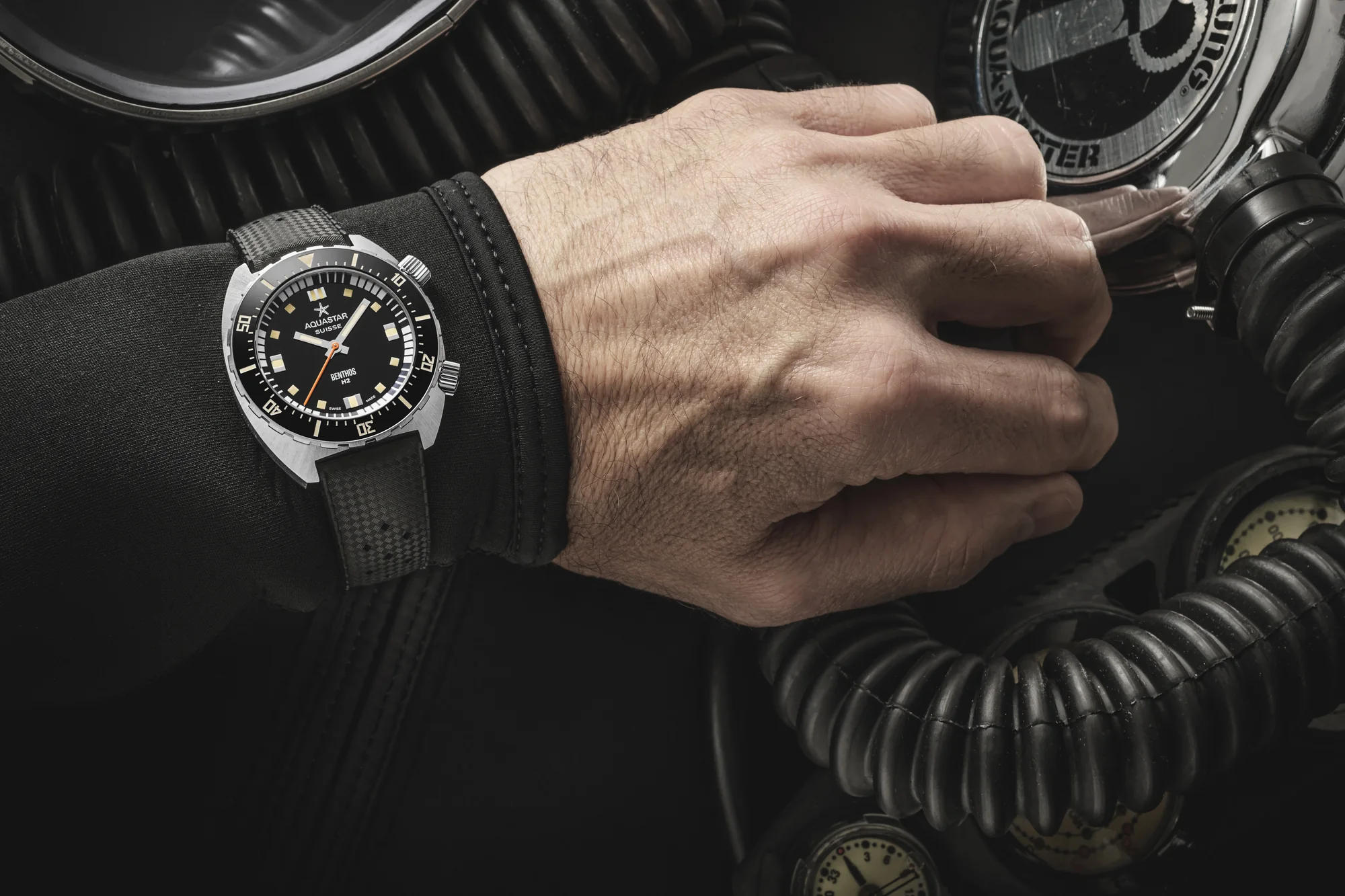
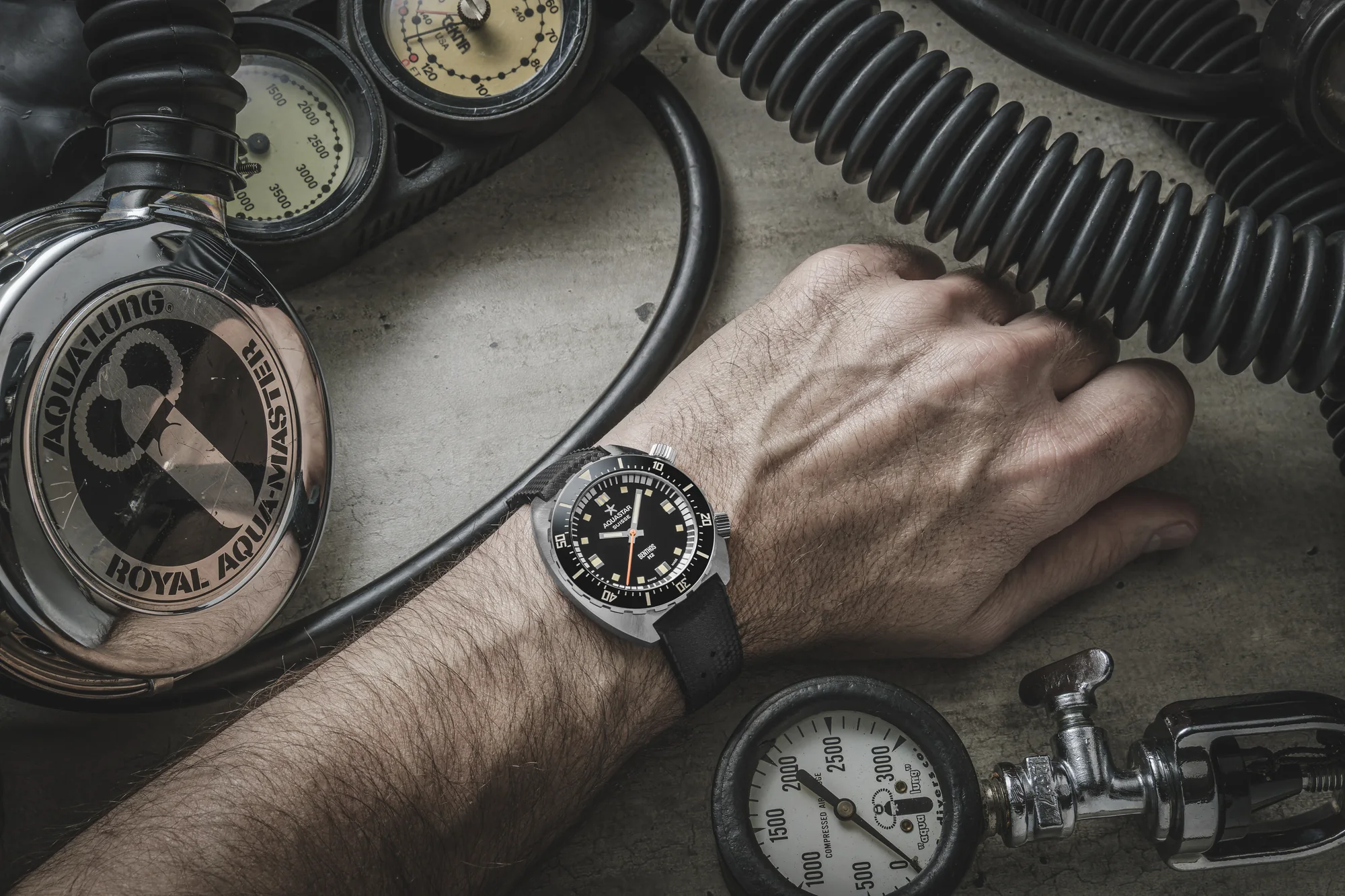
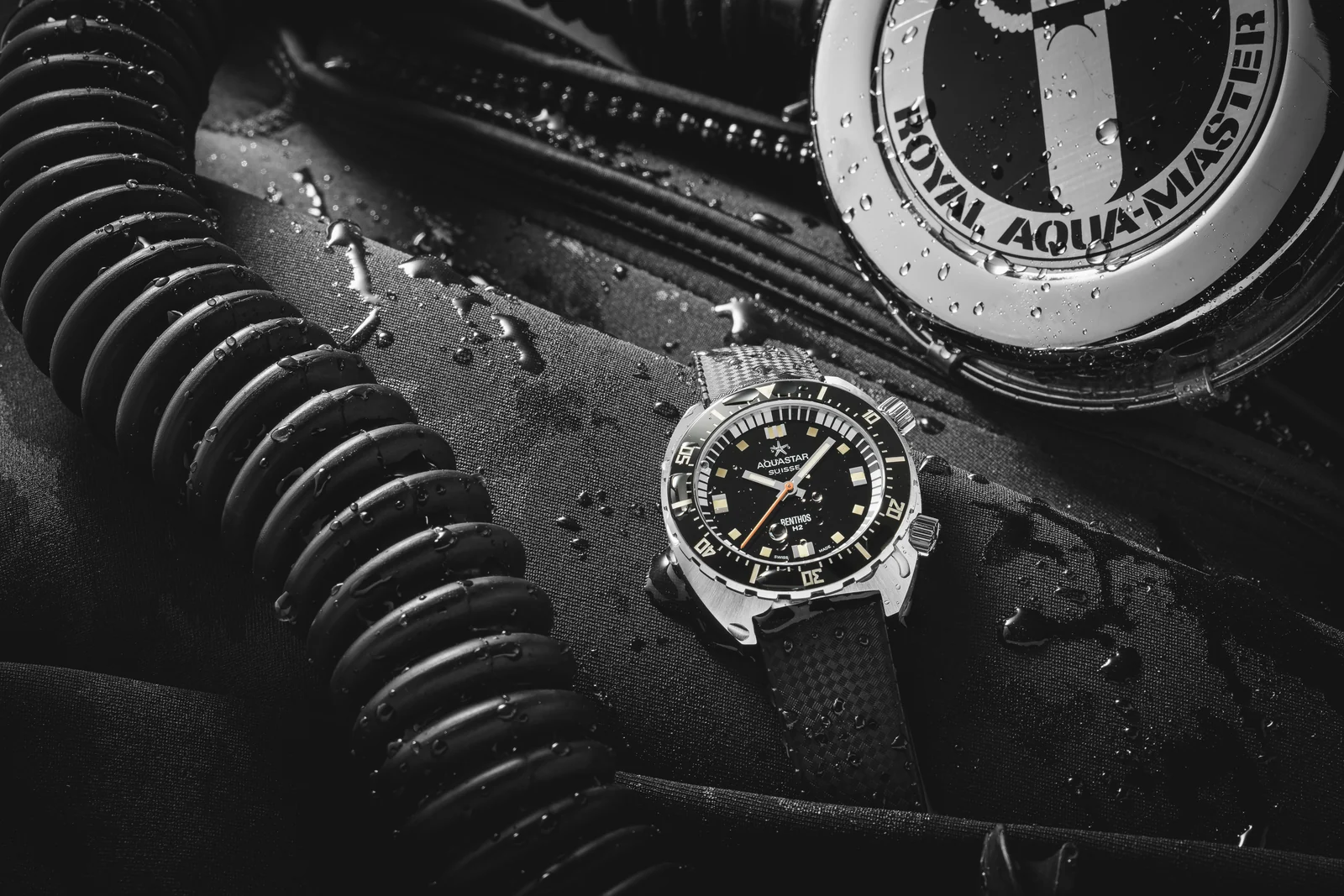
A compressor case from the 1960s, a no-decompression bezel, a domed crystal profile, a broad-arrow handset that can be read at a glance underwater – these details are not styling exercises. They came from a time when a dive watch was equipment first. So when collectors ask, what is a heritage dive watch, the real answer starts there: with purpose, not nostalgia.

A heritage dive watch is a modern watch built from a historically important dive reference, or from a brand’s genuine underwater instrument lineage, while preserving the design language, proportions, and functional intent that made the original matter. It is not simply a new watch with faux-aged lume and a retro font. A true heritage diver carries forward a specific history and translates it into modern mechanical form.

What makes a heritage dive watch different

The difference comes down to lineage. A heritage dive watch is anchored in a documented past – a real model, a real era, and usually a real use case tied to sport, commercial, military, or professional diving. The watch has a clear point of origin. Its bezel layout, dial architecture, case construction, and legibility choices were not invented by a modern marketing team looking for vintage appeal. They were inherited.

That heritage can take several forms. Sometimes it is a faithful re-edition of a known reference. Sometimes it is a modernized revival that preserves the original watch’s identity while upgrading the movement, materials, lume, crystal, and water resistance. In both cases, the core idea is continuity.

This is where many watches miss the mark. Plenty of modern divers borrow cues from the past. Fewer have an actual claim to it. A watch can look vintage-inspired without being a heritage dive watch in any meaningful sense.

What is a heritage dive watch in practical terms?

In practical terms, a heritage dive watch should show three things at once: historical legitimacy, recognizable design continuity, and modern usability.

Historical legitimacy means there is an authentic backstory behind the watch. The original model existed, served a purpose, and mattered enough to be remembered. Design continuity means the new watch still looks and feels like its predecessor, not like a generic modern diver wearing a retro costume. Modern usability means it can meet current expectations for reliability, serviceability, and daily wear, even if the design belongs to another era.

That balance is not easy to get right. Push too far toward modern tastes and the watch loses the character that gave it value in the first place. Push too far toward strict historical recreation and you may end up with a piece that is charming but compromised by contemporary standards. The best heritage divers know exactly what to preserve and exactly what to improve.

The role of archival design

Archival design is more than copying an old dial. It means respecting proportions, negative space, bezel scale, hand shape, lug profile, and case thickness. Serious collectors notice when these elements drift.

A 40mm case can wear completely differently depending on how faithfully the brand has handled the mid-case shape and lug geometry. A bezel insert can be technically superior in ceramic, yet still feel wrong if its typography loses the visual character of the original. Heritage is often decided by details that casual buyers might not name, but they can still sense when something feels honest and when it feels manufactured.

The role of modern engineering

A heritage dive watch is not a museum piece unless it is intended to be one. Modern engineering is part of the proposition. Sapphire crystals replace acrylic for scratch resistance. Super-LumiNova improves low-light performance. Updated gaskets, screw-down crowns, and improved case construction increase water resistance and reliability. Swiss mechanical calibers offer stronger service support and better consistency than many vintage movements now can.

Those upgrades matter because a real dive watch, heritage or otherwise, should still function as a tool. Professional by nature. Luxurious by design. That standard only holds if the watch is built to endure beyond the display box.

Heritage diver vs vintage-inspired diver

This distinction matters more than the market likes to admit.

A vintage-inspired diver borrows the mood of an earlier period. It might use gilt accents, beige lume, a boxed crystal, or an old-school bezel font. It may be attractive and well made, but it does not necessarily trace back to a specific historic instrument from that brand.

A heritage diver has stronger foundations. It usually revives a documented reference or carries unmistakable DNA from a brand’s established dive catalog. There is a line you can follow from the past to the present. For collectors, that line is the difference between atmosphere and substance.

Neither category is automatically better for every buyer. If you simply want a handsome modern diver with retro character, a vintage-inspired model may be enough. If you care about provenance, archival fidelity, and collector relevance, heritage carries more weight.

The features that usually define a true heritage dive watch

Most true heritage divers share a familiar set of traits, though the exact mix depends on the source model. Legibility is always near the top. Large hands, high-contrast dials, clear minute markings, and functional lume are inherited because they served divers in difficult conditions.

Case architecture matters just as much. Skin diver shapes, compressor-style cases, asymmetrical chronograph housings, cushion cases, and compact professional profiles all point to specific periods of underwater watch development. These forms were not arbitrary. They solved real problems involving pressure, grip, protection, and underwater timing.

Bezels often tell the story fastest. A heritage diver may preserve a countdown bezel, elapsed-time bezel, no-decompression scale, or another timing system tied to the original watch’s function. That is more significant than a generic unidirectional bezel inserted for category compliance.

Then there is the movement. Purists may accept an updated caliber, and often should, but they want the upgrade to make sense. A modern Swiss automatic or hand-wound movement can improve durability and serviceability without erasing the watch’s character. A heritage watch does not need to be mechanically identical to the original to be credible. It does need to respect the spirit of the instrument.

Why collectors care about heritage dive watches

Collectors are not only buying a look. They are buying continuity.

A heritage dive watch offers access to a historically important design without the compromises that often come with true vintage ownership. You avoid fragile lume, uncertain water resistance, replacement parts of questionable correctness, and the anxiety of wearing an increasingly scarce original. At the same time, you still get the shape, the layout, the proportions, and the narrative that made the original desirable.

That matters even more in a market crowded with oversized cases, polished excess, and generic luxury positioning. A heritage diver answers a different brief. It does not need to announce itself with spectacle. Its authority comes from function, restraint, and credibility earned underwater.

For many buyers, that is the appeal. You are wearing a watch with a reason to exist.

Where heritage can go wrong

Not every reissue deserves the label.

Some watches lean so heavily on nostalgia that they become caricatures – over-aged lume, exaggerated vintage cues, and dimensions that betray the original. Others sanitize the design so thoroughly that the result feels disconnected from the reference that inspired it. A polished ceramic showpiece with a token retro dial may be a fine luxury watch, but it is not automatically a serious heritage diver.

Price can also complicate the equation. Heritage carries collector appeal, and brands know it. But premium pricing only makes sense when the watch delivers more than a story. The engineering, finishing, movement quality, and design discipline need to support the claim.

This is why enthusiasts scrutinize dimensions, bezel action, handset accuracy, dial text, caseback execution, and strap choices. On a true heritage watch, those details are part of the integrity of the whole piece.

What to look for before you buy one

Start with the origin story. Is the watch tied to a real historic model, or is the heritage language mostly decorative? Then look at the execution. Are the case proportions faithful? Is the dial layout consistent with the original? Have the updates improved wear and reliability without rewriting the watch’s identity?

It also helps to ask what kind of heritage you want. Some buyers want near one-to-one faithfulness. Others want the old design with modern concessions such as sapphire, ceramic, better lume, and higher water resistance. There is no single correct answer. It depends on whether you value archival purity, daily practicality, or a careful middle ground.

Brands with a genuine underwater instrument legacy tend to understand that balance best. Their strongest models feel less like tributes and more like continuation pieces. That distinction is precisely why watches from specialists such as Aquastar stand apart in the heritage dive category.

A good heritage dive watch does not ask you to choose between past and present. It proves that the best underwater instruments were never defined by era alone. They were defined by purpose, and purpose always wears well.

Posted on

What Makes a Tool Watch, Really?

What Makes a Tool Watch, Really?

A watch stops being a tool the moment purpose becomes secondary to posture. That is the cleanest way to answer what makes a tool watch. Not marketing language, not faux-military styling, and not an oversized case with a few aggressive lines. A true tool watch is designed around a job, then engineered to do that job reliably, repeatedly, and without drama.

That standard matters because the term gets used loosely. In today’s market, almost any steel sports watch with lume and a rotating bezel can be called a tool watch. For collectors and serious buyers, that is not enough. The category was built by watches meant for divers, pilots, racers, soldiers, and field professionals who depended on immediate readability and mechanical integrity in demanding conditions.

What Makes a Tool Watch in Practice

At its core, a tool watch is purpose-built. Every serious example begins with a use case. A dive watch must remain legible underwater, resist pressure, and allow elapsed-time tracking at a glance. A pilot’s watch must be readable in unstable light and easy to operate quickly. A chronograph made for timing events must present information clearly under stress, not bury it beneath decorative detail.

That focus creates a different kind of beauty. The best tool watches are attractive because they are disciplined. Their proportions, dial layouts, bezel designs, hand shapes, and case architecture are all there for a reason. Nothing essential is added for spectacle, and nothing functional is sacrificed for fashion.

This is where many modern watches miss the mark. They borrow the vocabulary of a tool watch while abandoning the grammar. You see gilt accents that reduce contrast, polished surfaces that trade durability for shine, and bloated cases that imply toughness while wearing poorly and solving nothing. Real instrument design is more restrained than that.

Purpose Before Prestige

A true tool watch starts with a task. That sounds obvious, but it is the dividing line between authentic utility and styling exercise.

Take a serious dive watch. Its rotating bezel is not decorative. Its minute hand must stand out instantly. Its lume is there because darkness is part of the environment, not because glow sells. Its crown and caseback must manage water resistance through sound engineering, not hopeful branding. If those elements are weak, no amount of heritage language can rescue the watch from irrelevance.

The same principle applies across categories. A tool chronograph needs pushers with positive actuation and a dial that does not force the eye to search. A field watch must survive impact, moisture, and long wear while staying simple enough to read in a second. The details change, but the hierarchy does not. Function comes first.

That does not mean a tool watch cannot be finely finished or mechanically sophisticated. It means those qualities must support the mission rather than distract from it. Professional by nature can still be luxurious by design, but only if the foundation remains honest.

Legibility Is Non-Negotiable

If there is one trait that separates genuine tool watches from the merely sporty, it is legibility. A tool watch is meant to communicate immediately. Underwater, at speed, in low light, or under pressure, hesitation is failure.

That is why the strongest designs use high-contrast dials, clear typography, distinct hands, and lume placed where it matters most. The minute track should be readable. The bezel markings should make sense. The crystal should minimize distortion and glare as much as possible. Even the shape of the hands matters. Broad, differentiated forms help the wearer identify time information instantly without mental effort.

There are trade-offs here. Vintage-inspired watches often use domed crystals, warm lume tones, and faithful dial layouts that preserve historical character. Done well, that creates emotional depth without compromising utility. Done poorly, it turns clarity into costume. The best modern heritage pieces know where to preserve the past and where to improve it, whether through better anti-reflective treatment, stronger luminous material, or tighter tolerances.

Durability Means More Than Water Resistance

Many buyers reduce the idea of a tool watch to toughness, but toughness alone is too vague. What matters is targeted durability.

A proper tool watch is built to withstand the conditions tied to its purpose. For a diver, that means dependable water resistance, corrosion-resistant materials, a secure bezel, robust gaskets, and strong low-light visibility. For broader daily use, it can also mean shock resistance, scratch resistance, and a case architecture that protects the movement rather than merely enlarging it.

Materials matter, but only in context. Stainless steel remains the classic choice because it is proven, repairable, and capable of taking hard use. DLC coatings can increase surface hardness and reduce visible wear. Ceramic bezels resist scratches well, though they are not immune to impact. Sapphire crystals offer excellent scratch resistance but should be integrated thoughtfully so they do not create unnecessary thickness or reflection.

The point is not to chase the most exotic specification. It is to build a watch that can be used hard without feeling fragile. That is a subtle difference, and experienced collectors can feel it immediately in the case, crown action, bezel click, and bracelet or strap execution.

Mechanical Integrity and Serviceability

A tool watch is not just a visual concept. It must work consistently over time. That puts mechanical integrity near the center of the discussion.

In a serious mechanical tool watch, the movement should be reliable, stable, and serviceable. Not every tool watch needs a haute horlogerie caliber. In fact, many of the best have historically relied on dependable workhorse movements because reliability matters more than theatrical complexity. A movement with proven architecture, solid parts availability, and sensible regulation often suits the category better than something fragile or obscure.

This is one reason tool watches have such lasting appeal among enthusiasts. They are machines with a clear chain of logic. The case protects. The dial communicates. The movement delivers. When all three elements are aligned, the watch earns trust.

That trust also depends on usability. Crown threading should feel precise. Pushers should not feel vague. Bezels should align. Casebacks should seal properly. Tool watches are judged in the hand as much as on paper.

Heritage Counts, but Only When It Is Earned

Collectors care about lineage for good reason. Many of the most respected tool watches were born from real professional use, not retrospective storytelling. Their forms were shaped by constraint, field feedback, and practical need.

That history gives context to modern re-editions and revivals. When a brand respects original case proportions, dial balance, and instrument logic while upgrading materials and reliability, the result can feel deeply coherent. Heritage is not there to soften performance. It should sharpen it.

This is where brands with legitimate underwater instrument history hold an advantage. They are not inventing a fantasy of utility. They are continuing a design tradition that began in actual working conditions. When handled with discipline, that continuity gives a watch collector value beyond nostalgia. It preserves the reason the watch existed in the first place.

Still, heritage alone does not make a modern watch a true tool watch. A faithful reissue that loses legibility, wears awkwardly, or compromises build quality is still a miss. The past is a foundation, not a shield.

The Difference Between a Tool Watch and a Luxury Sports Watch

This distinction is worth making because the lines can blur.

A luxury sports watch may borrow from tool-watch architecture while prioritizing finishing, status, and versatility. There is nothing inherently wrong with that. Many are excellent watches. But a tool watch keeps performance at the top of the hierarchy even when refinement is present.

You can usually see the difference in the details. Is the dial optimized for immediate reading, or styled for effect? Does the bezel feel engineered for use, or included because the market expects one? Is the case shape meant to protect and wear well, or simply project mass and expense? Tool watches answer these questions with restraint.

For some owners, the ideal watch sits between both worlds: rugged enough for real use, refined enough for daily wear, and faithful to a professional origin. That is where the best modern dive watches operate. They do not reject luxury outright. They simply refuse to let luxury override purpose.

So, What Makes a Tool Watch Worth Owning?

The answer is not just capability. It is clarity of intent.

A tool watch worth owning feels honest. It tells you what it is for, and every major design choice supports that mission. It should be readable without effort, durable in the ways that matter, mechanically dependable, and free from decorative noise that weakens the core idea. If it carries heritage, that heritage should be visible in the architecture, not just the advertising.

For enthusiasts, that is the appeal. A real tool watch is one of the purest expressions of watchmaking because it has nothing to hide behind. It must perform, and it must make sense.

That is why the category endures. Long after trends fade, purpose still looks right on the wrist.

Posted on

Manual Wind Dive Chronograph Explained

Manual Wind Dive Chronograph Explained - manual wind dive chronograph

Manual Wind Dive Chronograph: at a glance

Manual wind dive chronograph: how mechanical honesty, case design and bezel feel define a true underwater tool. Aquastar's collector guide. Use this guide on manual wind dive chronograph to weigh design choices, engineering trade-offs and how the category translates to real Aquastar dive watches.

TopicManual wind dive chronograph
Read time5-8 min
SourceAquastar editorial

A proper manual wind dive chronograph makes its case before you ever turn the bezel. You feel it in the resistance of the crown, in the deliberate start of the pusher, and in the simple fact that nothing inside the watch moves unless you wind it. For collectors and divers who value mechanical honesty, that is not nostalgia for its own sake. It is a direct connection to the era when underwater timing instruments were built for work first and admiration second.

Manual Wind Dive Chronograph Explained - manual wind dive chronograph

The category sits in a narrow and demanding part of watchmaking. A chronograph already asks more of a movement than a standard three-hand diver. Add serious water resistance, legibility under pressure, and a case architecture that can withstand repeated exposure to saltwater, and compromises appear quickly. That is why the best examples matter. They are not styling exercises. They are purpose-built instruments with genuine technical discipline behind them.

What defines a manual wind dive chronograph?

At its core, the formula is simple. A manual wind movement powers a chronograph housed in a case designed for underwater use, with a rotating timing bezel, high-contrast dial, strong luminous material, and meaningful water resistance. In practice, however, each element has to serve the others.

Manual winding changes the character of the watch immediately. Without a rotor, the case can stay slimmer, the movement remains visually and mechanically cleaner, and the wearer becomes part of the ritual. That matters in a tool watch. A hand-wound caliber asks for attention. It reminds the owner that this is a machine with stored energy, not a passive object.

The dive chronograph side is where things become more specialized. A diver needs at-a-glance legibility, especially for elapsed time. A chronograph adds extra information, but too much dial furniture can weaken clarity. The strongest designs solve this with disciplined layouts, oversized hands, restrained text, and bezel scales that remain intuitive even in poor light.

Why hand-wound movements still belong in serious dive watches

A modern buyer might reasonably ask why a diver should be manual wind at all. Automatic winding is more convenient. Quartz is even more practical. Both points are fair. But convenience is not the only measure of a professional instrument, and it never has been.

A hand-wound movement strips the watch to essentials. Fewer moving parts above the caliber can mean reduced thickness and less mechanical clutter. That can help with proportions, especially in historically faithful re-editions where case profile matters as much as diameter. It also preserves a tactile relationship with the watch that many collectors consider central to the ownership experience.

There is also a historical argument, and in this segment it carries real weight. Many of the most respected dive chronographs of the 1960s and 1970s were born in the hand-wound era. Their appeal was not built around luxury theater. They earned their status through utility, distinctive design language, and proven use in the water. A modern manual wind dive chronograph that respects those roots is not looking backward blindly. It is preserving a format that made sense then and still holds meaning now.

That said, hand-wound is not automatically better. If you rotate through a large collection, you will need to wind and set it more often. If you expect grab-and-go ease, an automatic diver may suit you better. This is exactly where intent matters. The manual-wind buyer usually wants engagement, not automation.

The engineering challenge behind a dive chronograph

Building any reliable chronograph is difficult. Building one for underwater use is harder. Pushers, crown, crystal, caseback, and bezel all become potential points of failure. Every interface must be controlled without making the watch clumsy or overbuilt.

Pushers are the most obvious challenge. On a standard chronograph, they are designed for frequent actuation. On a dive watch, every opening in the case must be treated with suspicion. Some brands historically advised against operating the chronograph underwater. Others engineered systems intended to manage that risk more effectively. Either way, sealing a chronograph for real water resistance is never trivial.

Case architecture matters just as much. A true dive chronograph needs enough structural integrity to resist pressure while maintaining comfortable wear. Thick crystals, properly engineered gaskets, and solid crowns are not marketing details. They are what separate a watch with aquatic styling from a watch made for harsh underwater conditions.

Then there is the dial. Chronograph registers, central timing hands, minute tracks, and bezels all compete for space. If the watch cannot be read quickly, especially in low visibility, the design has failed. The best examples understand restraint. They let the elapsed-time function dominate and treat every other display as secondary.

What collectors should look for

For enthusiasts considering a manual wind dive chronograph, provenance and execution matter more than headline specifications alone. Water resistance figures, movement names, and case dimensions are important, but they do not tell the whole story.

Start with the design lineage. Does the watch come from an actual underwater instrument tradition, or does it simply borrow vintage cues? Collectors in this category tend to know the difference. Authenticity shows up in proportions, handset design, bezel geometry, subdial placement, and the overall logic of the watch. A faithful case profile often says more than a long list of decorative upgrades.

Next, study the movement choice. A hand-wound chronograph caliber should feel appropriate to the watch, both mechanically and historically. Serviceability matters. So does pusher feel. A crisp start, controlled reset, and smooth winding action reveal a level of refinement that spec sheets cannot capture.

Lume, crystal, and bezel construction deserve the same scrutiny. Modern Super-LumiNova, sapphire crystals, and ceramic inserts can improve day-to-day durability, but they should not overwhelm the original character of the design. The strongest reissues know where modernization helps and where restraint preserves identity.

Heritage is not enough on its own

Vintage credibility opens the door. It does not finish the job. Too many heritage-driven watches get trapped between eras, neither faithful enough for collectors nor capable enough for modern wear. The result is often a compromised piece that looks right in photos and disappoints in use.

A serious manual wind dive chronograph must justify itself on the wrist. That means stable bezel action, clear underwater timing logic, secure crown engagement, balanced case dimensions, and a movement that rewards daily handling. It should feel like a tool watch first, even if the finishing is elevated.

This is where brands with real dive-watch lineage hold an advantage. They understand that heritage is a technical brief, not a mood board. When archival design language is paired with contemporary manufacturing standards, the result can be a watch that honors the original while eliminating the fragility and inconsistency that often come with true vintage ownership.

That balance is precisely why brands like Aquastar continue to resonate with informed buyers. The appeal is not generic retro styling. It is the revival of historically important underwater instruments with the materials, tolerances, and reliability expected today.

Who a manual wind dive chronograph is really for

This is not the obvious choice for everyone, and that is part of its appeal. If you want maximum convenience, there are easier watches to own. If you want pure desk-diver aesthetics, there are less expensive ways to get them.

The manual wind dive chronograph belongs to a more specific buyer. Someone who values the tactile discipline of winding a movement. Someone who notices the difference between a generic compressor-style case and a historically grounded profile. Someone who understands that a chronograph on a diver is not about excess complication, but about elapsed-time utility shaped by a particular era of tool-watch development.

For that buyer, the trade-offs are not drawbacks. They are the point. You accept the ritual of winding because it keeps the experience mechanical and direct. You accept a more specialized format because it offers character no mass-market diver can replicate. And you appreciate the fact that this corner of watchmaking remains demanding enough to resist trend-driven shortcuts.

A good manual wind dive chronograph does not ask for attention with inflated luxury cues. It earns it through proportion, pressure resistance, legibility, and movement feel. That is why the category still matters. Not because it is rare, but because when it is done correctly, it delivers something modern watchmaking too often forgets – purpose you can feel every time you wind the crown.

Related from Aquastar: Aquastar Deepstar III, the manual-wind dive chronograph, the Aquastar Deepstar collection.

Further reading: Wikipedia on the chronograph.

Posted on

What Makes a Column Wheel Dive Chronograph?

What Makes a Column Wheel Dive Chronograph? - column wheel dive chronograph

Column Wheel Dive Chronograph: at a glance

Column wheel dive chronograph explained: how the mechanism delivers precise pusher action and underwater durability, and why it matters to collectors. Use this guide on column wheel dive chronograph to weigh design choices, engineering trade-offs and how the category translates to real Aquastar dive watches.

TopicColumn wheel dive chronograph
Read time5-8 min
SourceAquastar editorial

A true column wheel dive chronograph is a rare thing. Not because the phrase sounds technical, but because it asks one watch to do two difficult jobs at once – deliver precise elapsed-time control through a refined chronograph mechanism, and survive as a serious underwater instrument. Most watches are better at one side of that equation than the other. The ones that get both right earn their place.

What Makes a Column Wheel Dive Chronograph? - column wheel dive chronograph

For collectors and divers, the appeal goes well beyond brochure language. A column wheel is not decoration hidden under a caseback. It changes how the chronograph behaves at the pusher, how the movement coordinates start-stop-reset commands, and how the entire watch feels in use. In a dive chronograph, that matters because timing should feel deliberate, positive, and trustworthy.

Why the column wheel still matters

At its core, the column wheel is the command center of a mechanical chronograph. It is a small, finely machined wheel with vertical columns that coordinate the levers responsible for starting, stopping, and resetting the stopwatch function. When the pusher is pressed, those levers engage with the column wheel in a controlled sequence.

That architecture is prized for good reason. A well-executed column wheel chronograph usually offers a cleaner, more precise pusher feel than a cam-switched alternative. The action tends to be smoother and more consistent, with less of the abrupt or uneven sensation that can appear in less sophisticated systems. Collectors notice it immediately. So do owners who actually use their chronographs rather than leaving them parked in a watch roll.

This does not mean every cam-actuated chronograph is inferior. Some are durable, serviceable, and entirely fit for purpose. But in enthusiast terms, the column wheel remains the more elegant solution. It reflects a higher level of movement design and finishing discipline, especially when paired with thoughtful adjustment and proper assembly.

What turns it into a dive chronograph

A chronograph becomes a dive chronograph when underwater timing is central to the design rather than an afterthought. That sounds obvious, yet the distinction matters. Plenty of sporty chronographs wear rotating bezels and bold lume without truly being built for subaquatic use.

A legitimate dive chronograph needs the fundamentals of a professional dive watch. Water resistance must be credible, not merely nominal. Legibility must hold in poor light and at a glance. The bezel must be secure and readable. Pushers, case construction, gaskets, and crystal all need to support real environmental pressure, shock, and moisture control.

Then there is the harder question: should chronograph pushers be operable underwater? Historically, this has been one of the major challenges in the category. Standard pump pushers and rectangular pushers introduce potential ingress points. Screw-down pusher systems can improve security, but they also reduce immediacy and can make the chronograph less practical in the moment. Some designs prioritize water resistance by discouraging underwater actuation. Others engineer around the problem with more specialized solutions.

That is why a true dive chronograph has always occupied a narrower and more technically demanding corner of watchmaking than the ordinary diver or the ordinary racing chronograph. It must reconcile competing priorities instead of pretending they do not exist.

Column wheel dive chronograph design is about control

The best column wheel dive chronograph watches are not defined by movement architecture alone. They succeed because the entire watch is organized around controlled timing in hostile conditions.

Start with legibility. Underwater, clutter is the enemy. A chronograph can quickly become too busy if the dial prioritizes symmetry over clarity. Useful dive chronographs tend to favor strong contrast, oversized hands, decisive markers, and restrained dial text. Subdials must be readable without overwhelming the primary time display. Timing scales should support use, not distract from it.

Case design matters just as much. A dive chronograph is almost always thicker and more mechanically complex than a time-only diver. That added mass must be managed carefully. If the case is too broad, the watch becomes top-heavy. If the pushers protrude awkwardly, comfort and security suffer. If the bezel is shallow or slippery, gloved operation becomes an issue. Good design solves these problems before the watch ever reaches the wrist.

The movement must also be chosen with honesty. A column wheel sounds impressive, but in a dive watch the bigger question is whether the caliber is suited to the mission. Serviceability, shock tolerance, power reserve, chronograph engagement behavior, and long-term parts support all matter. Refinement at the pusher is valuable. Reliability over years of actual wear is non-negotiable.

Heritage and the real history behind the format

The column wheel dive chronograph carries unusual credibility because it comes from a period when underwater timing instruments were still evolving through direct use. This was not an era of desk-diving nostalgia. It was a period when case architecture, bezels, scales, and chronograph layouts were being tested by working divers, military users, commercial operators, and serious enthusiasts who depended on elapsed time in demanding conditions.

That history explains why the category still commands attention today. The best vintage examples were not trying to imitate generic luxury sports watches. They were purpose-built instruments, often shaped by the constraints and needs of actual underwater work. Their proportions, dial layouts, and timing functions emerged from necessity.

Modern brands that revisit this territory have a choice to make. They can preserve the original logic of the watch, or they can dilute it with fashionable cues that look expensive but weaken the concept. The difference is usually obvious to an informed buyer. Faithful case dimensions, usable bezel geometry, balanced dial architecture, and historically coherent functionality matter more than inflated case sizes or decorative excess.

That is one reason the category continues to appeal to serious collectors. It sits at the intersection of mechanical sophistication and authentic tool-watch history. Few genres manage both without compromise.

Column wheel vs cam in the real world

For many buyers, the practical question is simple: can you feel the difference? Usually, yes.

A quality column wheel system tends to deliver a more defined start and stop action. The reset can feel cleaner, and the pusher force more consistent across the sequence. That does not automatically make the watch more accurate, and it certainly does not guarantee better water resistance. But it contributes to the sense that the chronograph is operating with precision rather than persuasion.

The trade-off is cost and complexity. Column wheel chronographs are generally more expensive to produce and can require more careful adjustment in manufacturing and service. That is part of the reason they remain desirable. They are not simply marketed as premium – they are mechanically more demanding to execute well.

For a buyer choosing between a cam-driven dive chronograph and a column wheel alternative, the decision depends on priorities. If the goal is pure value and reliable daily use, a strong cam-actuated design may be more than enough. If the goal includes mechanical pedigree, refined actuation, and movement architecture with genuine enthusiast appeal, the column wheel carries more weight.

What to look for in a modern column wheel dive chronograph

A serious buyer should look past the headline specification. The movement type is important, but it is only one part of the watch.

Pay attention to pusher design and case sealing. Study the dial layout and ask whether the chronograph can be read quickly under pressure. Look at the bezel and determine whether it functions as a real timing tool or merely completes the aesthetic. Examine the thickness-to-diameter ratio, because comfort and balance are critical in a watch already carrying mechanical complexity.

Material choices matter too. Sapphire crystal, modern luminous compounds, corrosion-resistant case construction, and bezel materials that withstand hard use all strengthen the proposition. So does restraint. A dive chronograph should not try to impress through excess. It should justify itself through coherence.

That is where Aquastar and a handful of similarly disciplined names stand apart. In this segment, credibility comes from understanding why these watches existed in the first place – and respecting the fact that a dive chronograph was never meant to be a costume piece.

Why this category remains special

There are easier watches to build and easier watches to sell. A simple diver is less mechanically demanding. A motorsport chronograph avoids the sealing and usability challenges of underwater work. A luxury sports watch can borrow the look of utility without accepting any of the engineering burden.

The column wheel dive chronograph does not have that luxury. It must justify every millimeter, every pusher, every register, and every gasket. When it is done properly, the result has unusual depth: the tactile satisfaction of a fine chronograph, the legitimacy of a real dive instrument, and the historical gravity of a category shaped by use rather than marketing.

For the enthusiast who values mechanical substance, that is the point. Not novelty. Not trend. A watch built with enough integrity that the architecture beneath the dial still matters every time you press the pusher.

Related from Aquastar: the Deepstar III, a column-wheel dive chronograph, the full Deepstar family.

Further reading: Wikipedia on column-wheel chronographs.

Posted on

What Makes a 1960s Dive Watch Reissue Good?

What Makes a 1960s Dive Watch Reissue Good? - 1960s dive watch reissue

1960s Dive Watch Reissue: at a glance

What makes a 1960s dive watch reissue good? Case shape, bezel action, dial balance and proportions — Aquastar's collector framework for judging reissues. Use this guide on 1960s dive watch reissue to weigh design choices, engineering trade-offs and how the category translates to real Aquastar dive watches.

Topic1960s dive watch reissue
Read time5-8 min
SourceAquastar editorial

The difference between a convincing 1960s dive watch reissue and a costume piece shows up fast on the wrist. Case shape, bezel action, dial balance, handset length, lug profile, crystal height – get any of those wrong and the watch stops feeling like a real instrument from the great era of underwater timing. For collectors and serious buyers, that distinction matters. A proper reissue is not nostalgia packaged in faux patina. It is heritage preserved with enough discipline to respect the original and enough engineering to survive modern use.

What Makes a 1960s Dive Watch Reissue Good? - 1960s dive watch reissue

Why the 1960s still define the dive watch

The 1960s were not just another design decade. They were the period when dive watches matured into purpose-built professional tools. Cases became more secure, bezels more legible, dials more functional, and water resistance more dependable. Brands were designing for military divers, commercial operators, spear fishermen, and a growing class of serious sportsmen who needed timing instruments that could be trusted underwater.

That is why so many modern releases keep circling back to this period. The best designs of the era were direct. Every line had a reason. Broad markers improved visibility. High-contrast hands cut through murky water. Skin diver cases wore compact and close. Compressor-style forms balanced utility and elegance. Early dive chronographs proved that specialized underwater timing could look refined without losing professional credibility.

A 1960s dive watch reissue works when it keeps that original logic intact. It fails when the decade is reduced to a few easy visual cues – gilt printing, warm lume, and a generic tropic strap.

The first test of a 1960s dive watch reissue

Start with proportions. This is where many reissues lose the plot.

A true 1960s dive watch was usually modest on paper and purposeful on the wrist. Mid-century case diameters often sat in the 36 mm to 40 mm range, but dimensions alone do not tell the full story. Thickness, bezel width, dial opening, crystal profile, and lug-to-lug distance all shape the experience. An oversized remake may look dramatic in product photos, but if it stretches the design beyond its original geometry, the watch no longer carries the same tension or restraint.

This is especially important with skin diver and compressor-inspired forms. Their appeal comes from compact efficiency. Blow them up too far and the elegance disappears. Keep them too small without improving water resistance, lume, or movement performance, and the watch becomes a tribute rather than a usable instrument. The balance is delicate.

The strongest reissues know where to stay faithful and where to make measured corrections. A fractionally thicker caseback, a slightly wider bezel grip, or a more substantial crown can improve daily performance without disturbing the character of the watch.

Dial discipline matters more than vintage effect

Collectors notice dial quality immediately. Not because of finishing alone, but because the dial is where historical honesty becomes visible.

On many original 1960s dive watches, the layout was tight, clean, and highly intentional. Large minute tracks served a timing function. Handsets were selected for legibility, not novelty. Crosshairs, depth scales, oversized registers, and bold applied markers were used with purpose. Reissues that preserve those relationships feel authentic even before the movement is discussed.

By contrast, a watch can use aged lume color, old-style fonts, and retro logo treatment and still miss the point entirely. If the hands are too short, if the markers are resized for fashion, if excess text clutters the dial, the design starts to feel modern in the wrong way. The watch may reference the 1960s, but it does not inhabit the period.

This is where restraint separates serious brands from trend-driven ones. A faithful dial is harder to execute than a stylized one because it demands confidence. Nothing can hide behind decoration.

Modern upgrades should solve real problems

No collector buying a reissue needs a museum replica. The point is to carry historic design into modern conditions.

That means sapphire crystal instead of acrylic for scratch resistance, provided the profile still respects the original silhouette. It means modern gaskets and tested water resistance rather than optimistic vintage claims. It means Super-LumiNova instead of tritium, a ceramic bezel if it serves durability without disrupting the visual language, and a reliable Swiss mechanical caliber that can be serviced sensibly today.

But there is a line. Too many upgrades can sterilize a watch. A heavily reworked case, a glossy ceramic insert with modern typography, an exhibition caseback where a solid back belongs – these choices can make a so-called heritage piece feel disconnected from its own source material.

The question is simple: does the upgrade protect the watch’s purpose, or does it advertise modernity for its own sake?

A serious dive watch brand understands that engineering improvements should support the original concept, not overwrite it.

Materials can modernize without compromising character

Some of the best reissues now use advanced coatings, improved steel finishing, and tighter manufacturing tolerances than the originals ever had. That is not betrayal. It is progress.

The important part is whether those materials are used with respect for the watch’s identity. A matte or brushed surface often preserves the professional feel better than mirror-polished excess. A bezel insert should remain readable under pressure, not simply luxurious under showroom lighting. A modern bracelet or strap should improve security and comfort while still matching the visual weight of the case.

Professional by nature means the watch still reads as a tool first.

Movement choice reveals the brand’s priorities

The movement inside a 1960s-inspired piece says a great deal about the seriousness of the reissue.

An original watch may have used a now-obsolete caliber with undeniable charm but limited parts support. Reusing that movement architecture can be attractive for purists, but it is not always practical. A modern Swiss mechanical movement with strong serviceability, stable performance, and parts availability often makes more sense, especially in a watch built to be worn rather than stored.

Still, movement selection should fit the personality of the model. If the original was known for a particular complication, pusher layout, or case architecture, the replacement caliber must preserve those defining traits. A generic engine dropped into a heritage case rarely feels right. The geometry changes. The subdials shift. The pushers sit awkwardly. The watch becomes a compromise visible from the front.

Done properly, a modern movement is not a downgrade in authenticity. It is a commitment to longevity.

What collectors should watch for

The market is full of watches marketed as heritage pieces. Not all deserve the label.

A credible reissue usually has a clear archival anchor. The brand can point to a real reference, a known production era, and distinct features carried forward with care. The case should echo the original profile rather than just its diameter. The handset, bezel, crown, and dial furniture should feel specific, not interchangeable. Even details many buyers overlook – lug holes, bezel edge shape, caseback engraving, pusher dimensions – contribute to the overall integrity.

It also helps to ask what problem the watch is solving. Is it reviving a genuinely important underwater instrument? Is it restoring a design that collectors could rarely wear in original form due to age, fragility, or scarcity? Or is it simply using mid-century aesthetics to sell another anonymous diver in a crowded luxury segment?

That is where specialist brands stand apart. The strongest names in this niche approach reissues as acts of preservation. They understand that underwater watch history has specifics, and specifics matter.

Why faithful reissues matter now

The modern dive watch market has no shortage of excess. Cases have grown thicker, brighter, and more theatrical. Marketing has grown louder. Heritage language is used loosely. Against that backdrop, a well-executed 1960s dive watch reissue offers something rarer – proportion, clarity, and lineage.

It also offers a different kind of luxury. Not decorative luxury, but confidence in design that was shaped by real underwater use. That is why seasoned buyers keep returning to this category. A watch born from a professional instrument carries a kind of authority that cannot be manufactured by branding alone.

Aquastar has long understood that principle. The appeal of a true re-edition is not that it imitates the past. It proves that the past got certain things exactly right.

For the buyer who knows what to look for, that is the standard. Not vintage flavor. Not inflated nostalgia. A watch that wears with the conviction of the original, performs to modern expectations, and still feels like it belongs beneath the surface. That is when a reissue stops being a reference to history and starts earning its place in it.

Related from Aquastar: the Aquastar Model 60, a 1960s skindiver reissue, Aquastar heritage.

Further reading: Wikipedia on diving watches.

Posted on

Best Tool Watch for Diving: What Matters

Best Tool Watch for Diving: What Matters - best tool watch for diving

Best Tool Watch For Diving: at a glance

Best tool watch for diving: cold water, low visibility, gloves and pressure reveal what really matters. Aquastar's guide to instrument-first dive watches. Use this guide on best tool watch for diving to weigh design choices, engineering trade-offs and how the category translates to real Aquastar dive watches.

TopicBest tool watch for diving
Read time5-8 min
SourceAquastar editorial

A dive watch reveals its worth at the exact moment style stops mattering. Cold water, low visibility, gloves, elapsed time, and pressure have a way of stripping the category down to essentials. That is why the search for the best tool watch for diving is not really about hype or wrist presence. It is about whether the watch remains clear, dependable, and usable when the environment turns hostile.

Best Tool Watch for Diving: What Matters - best tool watch for diving

For serious buyers, the phrase “best” always needs context. A saturation diver, a recreational diver, and a collector who actually swims with his watches will not prioritize the same things in the same order. Still, the best examples share a common discipline. They are designed first as instruments, not as accessories borrowing the language of instruments.

What makes the best tool watch for diving

A true dive tool starts with legibility. Underwater, dial furniture that looks dramatic in a showroom often becomes visual noise. Large hands, strong contrast, restrained text, and luminous material that can be read at a glance matter more than decorative complexity. If the minute hand does not stand out instantly, the watch is already compromised.

Bezel design is just as important. The unidirectional bezel remains one of the clearest markers of a real dive watch because it is built around elapsed time, not theatrics. It should turn with deliberate resistance, offer a distinct zero marker, and remain easy to grip with wet hands or gloves. A bezel that feels luxurious but vague misses the point. Precision is the luxury here.

Water resistance is often misunderstood. High depth ratings look impressive on paper, but the number alone does not make a watch the best tool watch for diving. What matters is the complete system – case construction, crown security, gasket integrity, crystal strength, and long-term reliability. For most actual diving, a properly engineered 200- to 300-meter watch can be more than sufficient. Beyond that, the quality of execution matters more than headline specifications.

Then there is shock resistance and wearability. A dive watch should feel planted on the wrist, not top-heavy or oversized to the point of fatigue. In practice, a well-balanced case with sensible thickness often outperforms a larger, supposedly more capable watch that catches on gear and shifts under a wetsuit. Tool watches earn credibility through control, not excess.

Mechanical or quartz under pressure

This question usually divides buyers into camps, but the honest answer is that it depends on what you expect from the watch. Quartz offers undeniable practical advantages. It is highly accurate, generally more impact tolerant in day-to-day use, and often less expensive to maintain. For a diver who wants a grab-and-go instrument with minimal fuss, quartz remains a rational choice.

Mechanical watches answer a different need. They embody the engineering lineage of professional underwater timing in a way quartz rarely can. A well-built Swiss mechanical dive watch offers independence from batteries, serviceable longevity, and the tactile assurance of a machine built to endure. For enthusiasts and collectors, that matters. The best mechanical tool watches for diving justify themselves not through sentiment alone, but through durable construction, clear design, and proven architecture.

There is a trade-off, of course. Mechanical movements need periodic service, and they are less accurate than quartz in strict numerical terms. But when the watch is built with purpose, those compromises are often accepted because the object delivers something broader – heritage, craftsmanship, and the feeling of wearing an instrument with real continuity.

The case for heritage in a modern dive watch

Heritage is often abused in this category. Too many brands borrow a few vintage cues, add artificial patina, and call it authenticity. Serious collectors know the difference between styling and lineage.

A historically grounded dive watch tends to make better functional decisions because it comes from a period when underwater timing was not an aesthetic theme. It was the entire reason the watch existed. Case proportions, hand shapes, bezel markings, chronograph layouts, and dial contrast were developed in response to genuine underwater use. When these details are respected rather than diluted, the result is usually more coherent on the wrist and more convincing in the water.

That is where heritage becomes useful rather than nostalgic. The best modern examples preserve the logic of the original tool while upgrading the materials and tolerances. Sapphire crystals, modern gasket systems, ceramic or hardened bezel components, advanced luminous compounds, and improved bracelet or strap engineering all help. But they should serve the original purpose, not overwrite it.

Features that matter more than marketing

The market is full of inflated claims, but a few details consistently separate serious dive watches from generic luxury sports models.

First, look closely at the dial layout. A clean minute track, strong lume application, and instantly distinguishable hands are not glamorous talking points, yet they define underwater usability. Second, examine the bezel action and insert material. Ceramic offers excellent scratch resistance, but steel or aluminum can still be preferable if the design prioritizes clarity and serviceability over showroom gloss.

Third, pay attention to the crystal profile and anti-reflective treatment. A heavily domed crystal may look superb, but if distortion interferes with underwater reading angles, form has started to win over function. Fourth, consider the crown. A secure screw-down crown with practical grip and solid tube construction matters more than an elaborate logo on the cap.

Finally, think about the strap system. A dive watch should adapt to changing wrist conditions, especially over a wetsuit. Rubber remains one of the most practical choices for actual immersion because it is secure, durable, and resistant to saltwater. Bracelets are versatile, but they must offer real adjustment, not just a polished finish.

Chronographs and the best tool watch for diving

Some buyers dismiss dive chronographs outright, but that view is too broad. A dive chronograph can be an outstanding instrument when executed correctly. The challenge is that adding timing registers and pushers creates more complexity, and complexity demands discipline.

Done poorly, a chronograph clutters the dial and introduces visual hesitation at the exact moment quick reading matters. Done well, it provides additional timing capability without sacrificing the essentials. This is where historical dive chronographs hold particular appeal. Their layouts were often developed when functionality drove the design, not branding strategy.

For collectors, this makes the category especially compelling. A proper mechanical dive chronograph carries the character of a professional instrument while offering one of the richest intersections of utility and horological substance. It is not automatically the best tool watch for diving for every user, but for someone who values timing versatility and historic legitimacy, it can be the most interesting choice in the field.

How to judge the watch on your wrist

Specifications narrow the field, but the final decision is physical. The watch should be readable in poor light without needing your full attention. The bezel should set positively. The crown should feel precise when operated. The case should sit low enough to remain stable, yet substantial enough to inspire confidence.

This is also where many modern dive watches overreach. Excess diameter, excessive thickness, and ornamental surfaces can create the impression of strength while undermining actual comfort and usability. The best tool watches for diving tend to feel resolved. Every part has a reason to be there.

Collectors should also ask whether the watch has integrity beyond the spec sheet. Was it conceived as a serious underwater instrument, or as a luxury sports watch borrowing a few marine cues? Is the design rooted in something real, or simply polished for trend appeal? That distinction matters, especially in a category with so much superficial competition.

A brand such as Aquastar stands apart when it preserves the original logic of professional underwater timing while applying modern Swiss execution. That is the balance many buyers are actually after – heritage reborn without compromise in function.

Price enters the discussion, but not always in the obvious way. Paying more can deliver better finishing, stronger movement architecture, improved materials, and narrower production that appeals to collectors. Yet there is a point where cost reflects positioning more than engineering. The right watch is not the one with the most extravagant narrative. It is the one whose design, construction, and purpose still line up after the marketing language has been removed.

The best tool watch for diving is the one that remains calm, clear, and trustworthy when conditions become less forgiving. Buy the watch that feels built for that moment, not the one that simply looks the part in dry light.

Related from Aquastar: the Aquastar Benthos family, the Aquastar Deepstar.

Further reading: Wikipedia on diving watches.

Posted on

Why a DLC Coated Dive Watch Makes Sense

Why a DLC Coated Dive Watch Makes Sense - dlc coated dive watch

Dlc Coated Dive Watch: at a glance

Why a DLC coated dive watch makes sense: scratch resistance, discreet finish and harder steel for divers who use their watches in real conditions. Use this guide on dlc coated dive watch to weigh design choices, engineering trade-offs and how the category translates to real Aquastar dive watches.

TopicDlc coated dive watch
Read time5-8 min
SourceAquastar editorial

A serious diver notices case wear long before a casual buyer does. The desk marks, buckle rash, and bezel-edge scuffs that accumulate on a conventional steel case are not just cosmetic. On a purpose-built instrument, they change how the watch ages, how it wears, and how confidently it can be used without constant caution. That is exactly why a dlc coated dive watch has earned a place in the modern tool-watch conversation.

Why a DLC Coated Dive Watch Makes Sense - dlc coated dive watch

DLC, or diamond-like carbon, is not there to make a watch look tactical for the sake of fashion. At its best, it is a functional surface treatment that gives stainless steel greater scratch resistance, a darker and more discreet profile, and a harder outer skin better suited to repeated real-world use. For a dive watch, where steel meets salt, gear, ladders, wetsuit hardware, and daily abrasion, that matters.

What a DLC coated dive watch actually is

A DLC coated dive watch starts with a metal case, most often stainless steel, that receives a thin carbon-based coating through a controlled deposition process. The result is a surface that is substantially harder than untreated steel and visually very different from a standard brushed or polished case. Instead of reflecting light in bright flashes, it absorbs it. The watch appears more restrained, more technical, and more purposeful.

That surface character is a major part of the appeal, but it should never be the only reason to choose one. A proper dive watch is defined first by architecture – water resistance, legibility, bezel security, crown execution, crystal strength, movement reliability, and strap integrity. DLC works best when it supports those fundamentals rather than trying to distract from their absence.

In other words, coating cannot rescue a weak watch. It can only improve a strong one.

Why DLC belongs on a dive watch

The logic is straightforward. Dive watches are meant to be worn hard. Even owners who never descend beyond a pool or shoreline still subject them to daily impact points that punish bare steel. Door frames, camera gear, zippers, tabletops, and travel all take a toll. A harder external surface helps preserve the case lines, lug profiles, and overall definition that make a well-designed watch so satisfying over time.

For the enthusiast, there is also a less obvious benefit. DLC changes the visual weight of a watch. A 40mm or 41mm case in untreated steel can wear bright and prominent, especially with polished bevels or reflective bezel components. The same watch in black DLC often feels more compact on the wrist because the case visually recedes. On a larger professional dive watch, that effect can make a substantial tool watch feel more controlled and balanced.

There is a tactical quality to that restraint, but on the right design it also reads as refined. Professional by nature. Luxurious by design. That balance only works, however, when the case form, dial contrast, and finishing have been resolved with discipline.

The trade-offs most buyers ignore

DLC is not magic, and serious buyers know better than to treat it that way. A high-quality coating is extremely hard, but if the watch suffers a sharp enough impact, the underlying steel can still be damaged. When that happens, a black-coated case may show the damage more visibly than bare steel because the break in the surface contrasts against the darker finish.

This is where execution matters. The quality of the coating process, the preparation of the case surface, the geometry of the edges, and the overall construction all influence long-term wear. A poorly applied black coating can look tired quickly. A properly executed DLC case can remain remarkably intact through years of use.

There is also the question of patina. Some collectors enjoy how raw steel records its life through small marks and softened surfaces. A DLC coated dive watch ages differently. It tends to keep its original look longer, but when damage does occur, it is less romantic and more abrupt. That is not a flaw. It is simply a different philosophy of wear.

DLC coated dive watch design works best when contrast is right

The best black-coated dive watches understand one crucial principle – darkness on the case must be met by clarity on the dial. A dive watch cannot afford visual hesitation. Hands, markers, minute track, and bezel scale must remain immediate under varied conditions, from bright sun to murky water.

That is why the strongest executions pair DLC-coated steel with high-contrast luminous elements, matte dial textures, and bezel inserts that preserve legibility rather than flatten it. A black case can make a watch look sharper and more compact, but it also raises the standard for dial balance. If the handset is too thin, if the lume plots are too weak, or if the bezel markings disappear into the surface, the watch stops being a serious instrument and becomes an aesthetic exercise.

Heritage designs are particularly demanding here. Vintage-inspired proportions and details can look exceptional in DLC, but only if the treatment respects the original character of the watch. Some historic models were born in bright steel and lose their identity when turned black. Others gain a harder, more contemporary edge without sacrificing lineage. The difference comes down to proportion, restraint, and fidelity to the watch’s purpose.

Why collectors and divers respond to DLC differently

Collectors often approach a DLC coated dive watch through design and rarity. They appreciate the altered case presence, the way black framing changes the dial, and the relative scarcity of well-executed coated versions from heritage-driven makers. For them, DLC can make a familiar reference feel more specialized without abandoning mechanical substance.

Divers and active wearers tend to be more practical. They care about impact resistance, reduced glare, and how the watch behaves after months of actual use. A dark case is less flashy, less reflective, and often better aligned with the no-nonsense character expected from equipment meant for harsh conditions.

Neither perspective is wrong. In fact, the strongest watches satisfy both. They carry the historical credibility collectors want and the functional integrity serious wearers expect.

What to look for before buying one

If you are considering a dlc coated dive watch, start with the watch beneath the coating. Look at water resistance, crown design, bezel action, movement quality, crystal specification, and lume performance. If those elements are average, black coating will not elevate them.

Then examine how the DLC has been integrated into the full design. Does the watch rely on the coating as a visual gimmick, or does the finish support the architecture of the case? Are the transitions between brushed surfaces, polished elements, bezel edges, and crown guards coherent? Does the dial remain instantly legible? On a true dive watch, the answer must be yes.

It is also worth considering your own wearing habits. If you rotate through many watches and value pristine condition, DLC has obvious appeal. If you wear one watch every day and enjoy visible steel patina, untreated cases may still feel more honest to your taste. The right choice depends less on trends than on how you want the watch to live with you.

For heritage-focused brands such as Aquastar, DLC makes the most sense when it sharpens the original instrument character rather than masking it. That means preserving the proportions, utility, and undersea credibility that gave the design meaning in the first place.

The lasting appeal of the black tool watch

There is a reason black-coated dive watches continue to hold attention in a market crowded with polished excess. They feel disciplined. They suggest utility first, decoration second. When executed on a properly engineered Swiss mechanical platform, DLC is not a cosmetic flourish. It is a practical enhancement with a distinct visual code – one that speaks to those who prefer substance over shine.

That is the real case for DLC. Not novelty. Not trend. A harder outer surface, a quieter wrist presence, and a more deliberate expression of what a dive watch is supposed to be.

Choose one because the underlying watch is worthy of it, and the coating will feel like what it should be from the start – a functional finish on a tool built to endure.

Related from Aquastar: the Aquastar Benthos collection, the Aquastar Deepstar.

Further reading: Wikipedia on diving watches.

Posted on

Super Luminova Dive Watch: What Matters

Super Luminova Dive Watch: What Matters - super luminova dive watch

Super Luminova Dive Watch: at a glance

Super Luminova dive watch performance: formulation, application and dial architecture that decide whether your lume holds up at depth or fades fast. Use this guide on super luminova dive watch to weigh design choices, engineering trade-offs and how the category translates to real Aquastar dive watches.

TopicSuper luminova dive watch
Read time5-8 min
SourceAquastar editorial

A super luminova dive watch earns its keep when the light disappears. Not under boutique spotlights, but at depth, at dawn, inside a wreck, or during that flat gray hour when the sea turns every surface into a low-contrast blur. In those conditions, lume stops being decoration and becomes an instrument.

Super Luminova Dive Watch: What Matters - super luminova dive watch

That distinction matters because not all luminous performance is equal, even when the sales copy says otherwise. Two watches can both claim Super-LumiNova and deliver very different results on the wrist. The difference comes down to formulation, application, dial architecture, and whether the watch was designed as a real underwater tool or simply styled to look like one.

What makes a super luminova dive watch worth owning

Super-LumiNova is not a marketing trick. Properly used, it is one of the defining modern advantages of a serious dive watch. It is non-radioactive, stable, and capable of excellent brightness when paired with strong surface area and disciplined dial design. For a diver, that means faster reading, less hesitation, and better orientation in compromised visibility.

But the phrase alone is not enough. The best examples are built around legibility from the start. Large hands, clear minute emphasis, high contrast against the dial, and a bezel pip that remains visible when everything else is reduced to silhouettes – these details matter more than a colorful lume shot on a product page.

A genuine tool watch approaches lume as part of the watch’s operating system. It is there to support elapsed-time reading, preserve orientation, and reduce interpretation under stress. If the dial is overloaded, the handset is too polished, or the markers are too thin to hold meaningful luminous mass, even premium material cannot compensate.

Super-LumiNova is only as good as the watch around it

Collectors often speak about lume as if it exists in isolation. It does not. A strong compound on a weak design still produces a compromised result.

Take the handset first. On a proper dive watch, the minute hand should be instantly distinguishable from the hour hand, because elapsed dive time depends on reading minutes with no ambiguity. If both hands are similar in shape or length, lume brightness becomes less useful. In the dark, shape recognition is as important as intensity.

Marker design follows the same logic. Applied markers can look impressive, but they must leave enough space for luminous material to do real work. Thin surrounds and restrained faceting often outperform more decorative treatments because they prioritize visible lume surface over showroom drama. A matte or low-glare dial also helps. Reflections are the enemy of clarity above water and below it.

Then there is the bezel. A luminous pip at zero is essential on any serious diver, but execution varies. A small, weak pip is little more than a formality. A properly dimensioned marker with strong contrast gives the wearer an immediate reference point in darkness. That is not a minor detail. It is the anchor for timing.

Why some lume looks strong at first and weak later

Initial brightness gets attention. Persistence is what matters.

Many buyers charge a watch under bright light, glance at the glow, and assume they have judged its luminous quality. That test is incomplete. The better question is what remains after an hour, then three, then six. A dive watch is not read only in the first minutes after exposure. It must stay legible when conditions drag on and available light drops away.

This is where application volume matters. More luminous compound, applied correctly and consistently, generally gives better lasting performance. Larger plots and broader hands hold a charge more effectively than thin accents. The geometry of the dial has a direct effect on how useful the watch remains through the night.

Color also plays a role, though enthusiasts often overstate it. Different lume grades and colors can produce different perceived brightness, with some formulations appearing stronger to the eye at first. Yet no color choice rescues poor design. A watch with restrained, purposeful marker architecture and generous application will usually outperform a more fashionable dial with weaker luminous real estate.

The modern super luminova dive watch sits in a long line of underwater instruments built around immediate readability. Early professional dive watches succeeded not because they were luxurious, but because they reduced information to what mattered and made that information available at a glance.

That heritage still sets the standard. The best modern pieces do not merely borrow vintage styling cues such as boxed crystals, skin diver cases, or faux-aged lume. They preserve the underlying discipline that made those watches useful in the first place. Clean scales. Distinct hands. Balanced marker sizes. A bezel built to be read, not admired from across a room.

This is where many contemporary dive watches miss the mark. They chase nostalgia cosmetically while softening the functional decisions that defined the originals. Artificial patina may satisfy a trend, but it can reduce contrast. Overcomplicated dials may look expensive, but they cost legibility. A real heritage-driven dive watch respects history by keeping the operational logic intact.

How to judge a super luminova dive watch before you buy

Start with the minute hand. If it does not dominate the handset visually, the watch is already making a compromise. Next, look at the ratio of marker area to dial clutter. A clean dial with broad luminous surfaces is almost always a better sign than an ornate layout with polished interruptions.

Study the bezel pip and the first 15 or 20 minutes on the insert. If the watch presents itself as a professional diver, these elements should be easy to read and integrated into the timing function with no guesswork. On more serious designs, even the shape and grip of the bezel support lume use by making alignment simple with wet or gloved hands.

Case finishing deserves attention too. High polish can be attractive, but excessive reflective surface around the dial can work against fast reading. Tool-minded watches tend to balance finishing with restraint. They understand that underwater performance depends on controlling distraction as much as adding brightness.

Finally, be honest about use. If the watch will spend its life in offices and on flights, nearly any competent Super-LumiNova application may feel sufficient. If you actually dive, spend time offshore, or simply demand night readability worthy of the category, your standards should be higher. A dive watch should not ask for forgiveness once the sun goes down.

The trade-off between vintage character and modern performance

There is always a line to walk.

Collectors often want the warmth and proportion of older dive references, but modern expectations are different. Sapphire crystals, ceramic bezel inserts, thicker water resistance systems, and more stable luminous compounds all improve durability and usability. At the same time, every modern intervention risks dulling the charm that made historic pieces compelling.

The best brands do not choose one side blindly. They preserve the visual hierarchy of the original while upgrading what truly serves the wearer. Super-LumiNova is one of those upgrades. It respects the purpose of the historical dive watch because it improves low-light function without turning the watch into something alien to its lineage.

That said, not every reissue handles this balance well. Some overdo lume color to simulate age, which can look forced and weaken contrast. Others increase case size or alter hand proportions, damaging the harmony that made the original so legible. Heritage alone is not enough. Execution decides whether the watch still performs as an instrument.

A super luminova dive watch should feel purpose-built

This is the standard that separates serious watches from category noise. When the dial, hands, bezel, crystal, and case all support readability, the lume feels integrated rather than advertised. You notice it not because it glows for a photograph, but because the watch remains calm, clear, and immediate when conditions turn difficult.

That is why collectors continue to value dive watches rooted in real underwater history. They understand that the category was never supposed to be ornamental first. It was built around trust. Lume is part of that trust, but only when the rest of the watch deserves it.

A brand like Aquastar has credibility in this territory because the premise is simple: preserve the logic of the original instrument, then improve what modern engineering can genuinely improve. For a discerning buyer, that is the right filter.

If you are evaluating your next watch, ignore the glowing studio images for a moment and look at the architecture. A proper super luminova dive watch should read clearly before the lights go out – and keep reading long after they do.

Related from Aquastar: the Aquastar Deepstar, the Aquastar Model 60.

Further reading: Wikipedia on Super-LumiNova.

Posted on

Manual vs Automatic Chronograph Explained

Manual vs Automatic Chronograph Explained - manual vs automatic chronograph

Manual Vs Automatic Chronograph: at a glance

Manual vs automatic chronograph: how winding mechanism, case thickness, balance and service complexity change the watch you live with. Use this guide on manual vs automatic chronograph to weigh design choices, engineering trade-offs and how the category translates to real Aquastar dive watches.

TopicManual vs automatic chronograph
Read time5-8 min
SourceAquastar editorial

A chronograph reveals its character the moment you use it. Press the pusher, feel the resistance, watch the central seconds hand engage, and you know quickly whether the watch was built as an instrument or merely styled to look like one. That is why the question of manual vs automatic chronograph matters. It is not just about winding. It is about architecture, thickness, balance on the wrist, service complexity, and the kind of relationship you want with a mechanical watch.

Manual vs Automatic Chronograph Explained - manual vs automatic chronograph

For collectors and serious buyers, the choice often comes down to purpose. Some chronographs are meant to disappear into daily wear. Others ask for a bit more from the owner and return more in mechanical intimacy. Neither approach is inherently better. But they are different in ways that become obvious over years of ownership.

Manual vs automatic chronograph: the real difference

At the most basic level, a manual chronograph must be wound by hand through the crown. An automatic chronograph uses a rotor that winds the mainspring through wrist motion. Both can power the same core timing functions – elapsed seconds, minute totalizers, hour counters, and in some cases flyback or regatta timing – but the way they deliver that power affects the entire watch.

A manual movement is usually more direct in layout. Without a rotor covering the movement, the caliber can be slimmer, visually cleaner, and more faithful to many historic chronograph designs. That matters if you care about proportion, especially in watches inspired by mid-century professional instruments where case thickness and dial balance were part of the original brief.

An automatic movement adds convenience, but it also adds hardware. The winding system increases complexity and often contributes to greater height. In a modern case, that may be a worthwhile trade. In a heritage-minded chronograph, especially one intended to retain the stance and wear of a true period tool watch, it can change the feel more than the spec sheet suggests.

Why collectors still favor manual chronographs

A good manual chronograph rewards attention. Winding it each morning builds a routine, but more than that, it keeps the owner close to the movement. You feel the mainspring tension rise. You learn the crown action. You notice the watch as a machine rather than a passive accessory.

That appeal is not sentimental fantasy. It is rooted in watchmaking logic. Many of the most admired chronograph calibers in history were manual-wind constructions, and they earned that reputation because they were elegant, durable, and mechanically legible. Remove the rotor and the movement is easier to appreciate visually. Bridges, levers, cams, or column wheel architecture remain unobstructed. For enthusiasts who care about how a watch is built, that matters.

There is also the question of proportion. Manual chronographs often allow a case to sit lower and wear tighter to the wrist. On a watch with serious tool-watch intent, that lower center of gravity can improve stability and comfort. If you spend time in the water, on deck, or simply prefer a chronograph that wears like a compact instrument rather than a polished lump of steel, that difference is practical, not academic.

The trade-off is obvious. If you forget to wind the watch, it stops. If you rotate through several pieces, a manual chronograph demands more involvement. For some owners, that is exactly the point. For others, it becomes friction.

Where automatic chronographs make more sense

An automatic chronograph earns its place through ease of use. Put it on, wear it, and the movement stays wound through the day. For buyers who want a mechanical chronograph as a daily companion rather than a ritual object, that convenience is hard to dismiss.

This matters even more in modern ownership patterns. Many enthusiasts split time between several watches. An automatic chronograph can be less demanding if it has enough reserve to bridge periods off the wrist, and a few hours of wear usually restore useful power. If you actually use the chronograph function in day-to-day life – timing a drive, a workout, a parking interval, or a segment of a dive plan – an automatic watch can feel more ready.

Automatic movements also tend to appeal to those entering serious chronographs for the first time. They deliver the mechanical substance people want from Swiss watchmaking while reducing one barrier to ownership. The experience is still tactile, still analog, still deeply different from quartz. It is simply less deliberate.

The compromise is usually case thickness and, depending on the caliber, a slightly more crowded mechanical package. Not every automatic chronograph feels heavy or top-loaded, but many do. On paper, a millimeter or two may seem minor. On the wrist, especially with a steel bracelet or a larger case diameter, it can change the watch entirely.

Manual vs automatic chronograph on the wrist

This is where the decision becomes real. A manual chronograph often feels leaner, flatter, and more precise in how it occupies the wrist. That quality suits vintage-inspired cases particularly well. Crisp mid-case lines, controlled lug profile, and a dial that remains the dominant visual element all benefit from a slimmer movement architecture.

An automatic chronograph usually feels denser. Some owners like that. The added mass can give a watch greater perceived substance, especially in sport references. But density is only an asset if the case is properly balanced. A top-heavy chronograph with a thick caseback or tall crystal stack can lose the instrument-like confidence that defines the best tool watches.

Pushers matter too. The winding system itself does not determine pusher feel, but movement design often shapes the character of engagement. A well-executed manual chronograph can offer exceptionally crisp actuation, particularly in column-wheel layouts. A good automatic chronograph can do the same, but convenience alone does not guarantee refinement.

Service, durability, and long-term ownership

Mechanical chronographs are more complex than time-only watches. Add an automatic winding system and complexity increases further. That does not mean an automatic chronograph is fragile. It means there are more parts involved in keeping the watch running to specification.

A manual chronograph can be simpler to service in principle because it lacks the rotor system, reversers, and related winding components. In practice, service quality matters more than category. A poorly serviced manual chronograph is still a problem. A properly maintained automatic chronograph can run with excellent reliability for years.

What does matter is your tolerance for ownership friction. If you want the fewest possible moving parts beyond the chronograph itself, manual has a strong case. If you prioritize wear-and-go usability and are comfortable with a more involved caliber, automatic is entirely defensible.

For buyers focused on longevity, parts availability and movement pedigree should weigh heavily. Proven Swiss calibers, sound regulation, and competent brand support matter more than ideology.

Which is better for a heritage chronograph?

In heritage-driven watchmaking, manual movements often feel more honest. They preserve the spirit of many historic chronographs because that is how those watches were originally conceived – compact, disciplined, mechanically visible, and built around direct interaction.

That does not mean an automatic chronograph cannot respect history. It can, especially when the goal is to deliver vintage design with modern everyday usability. But when the brief is faithfulness – not just visual resemblance, but the stance, handling, and mechanical temperament of the original – manual usually gets closer.

This is one reason enthusiasts drawn to specialist brands and historically grounded tool watches often lean manual. They are not simply buying a complication. They are buying an era of watchmaking philosophy.

How to choose between manual and automatic chronograph

Choose a manual chronograph if you value movement purity, slimmer proportions, and direct involvement. It suits collectors who enjoy winding, appreciate traditional chronograph architecture, and care about historical authenticity in a serious way.

Choose an automatic chronograph if you want convenience, more continuous readiness, and a watch that integrates more easily into daily rotation. It suits owners who wear one chronograph frequently and prefer function without ritual.

If you are undecided, ignore forum dogma and think about your actual use. Will this be a weekend piece you engage with slowly, or a daily mechanical instrument? Do you care more about profile and heritage, or about not having to wind the watch before heading out the door? Those answers usually settle the matter faster than movement mythology.

The right chronograph is the one that matches the way you live with a watch. For some, that means the quiet discipline of a manual caliber. For others, it means the practical confidence of an automatic. Either way, choose the movement that makes you want to reach for the pushers, wind the crown, and wear the watch hard. That is where a true chronograph earns its place.

Related from Aquastar: the manual-wind Deepstar III, the automatic Airstar Chronograph.

Further reading: Wikipedia on the chronograph.

Posted on

12 Best Swiss Tool Watches Worth Knowing

12 Best Swiss Tool Watches Worth Knowing - best Swiss tool watches

Best Swiss Tool Watches: at a glance

12 Best Swiss tool watches that pass the wrist test: function first, instrument legibility, case integrity. Aquastar's collector picks for serious buyers. Use this guide on best Swiss tool watches to weigh design choices, engineering trade-offs and how the category translates to real Aquastar dive watches.

TopicBest Swiss tool watches
Read time5-8 min
SourceAquastar editorial

A serious tool watch reveals itself fast. Not in a display case, but on the wrist, when glare hits the crystal, when the crown needs grip with wet fingers, when the bezel must turn with certainty instead of theater. That is where the best Swiss tool watches separate from luxury styling exercises. They are not trying to look capable. They were conceived around function first, and the best of them still carry that discipline in every surface, proportion, and component.

12 Best Swiss Tool Watches Worth Knowing - best Swiss tool watches

For collectors and experienced buyers, that distinction matters more than ever. The market is crowded with watches borrowing the language of expedition, aviation, and diving while delivering little more than polished nostalgia. A true Swiss tool watch has a different standard. Legibility comes before decoration. Case geometry serves durability and wearability. Water resistance, anti-magnetism, shock tolerance, bezel action, lume performance, and serviceability are not brochure filler. They are the point.

What defines the best Swiss tool watches?

The answer is not simply depth rating or brand prestige. Plenty of watches claim extreme specifications that never translate to real utility on the wrist. The best examples balance engineering with usability.

A proper tool watch starts with clarity. Hands must be distinct at a glance. Dial furniture should support immediate reading, not crowd it. The case should protect the movement without becoming a brick, because a watch that cannot be worn comfortably under real conditions fails its purpose. Crown design matters. So does bezel feel. So does whether polished surfaces become liabilities in hard use.

Then there is provenance. In this category, heritage only matters when it reflects actual instrument history. A dive watch with genuine underwater credibility carries more weight than one dressed in vintage cues for marketing effect. The same goes for pilot and field models. Functional lineage gives context to design choices that still make sense today.

Best Swiss tool watches by category

Rather than forcing one winner, it makes more sense to look at the strongest Swiss contenders by use case. Tool watches are purpose-built by nature. The best one for a saturation diver is not the best one for a frequent traveler or a buyer who wants one mechanical watch to handle daily wear, weather, and impact.

Dive watches

This is where Swiss tool-watchmaking built much of its modern identity. The best dive watches are defined by underwater legibility, timing precision through a secure bezel, strong lume, and cases engineered to resist pressure, corrosion, and abuse.

Rolex Submariner remains the benchmark in many minds because it solved the formula so completely. Its appeal is obvious, but so is the trade-off. It is now as much a luxury object as a professional instrument, which changes how many owners actually use it.

Tudor Pelagos is in many ways closer to the modern ideal of a pure dive tool. Titanium construction, substantial water resistance, clean legibility, and a bracelet system built with utility in mind make it one of the strongest production divers on the market. It is less discreet than some buyers want, but few can argue with its clarity of purpose.

Blancpain Fifty Fathoms carries enormous historical weight and remains one of the great military dive-watch references. In current form, it offers serious specification and exceptional finishing, though it sits in a more elevated price bracket and can feel less like a hard-use proposition than its ancestors.

For collectors who care about authentic underwater lineage rather than broad luxury signaling, heritage specialists deserve attention. Aquastar has built its reputation precisely here, reviving historically significant dive instruments with modern execution while preserving the proportions, chronograph layouts, and design language that made the originals matter in the first place. That kind of continuity is rare, and it carries real value for enthusiasts who know the difference between a reissue and a costume.

Doxa, too, remains a compelling choice for buyers who want unmistakable dive-watch identity. Cushion cases, decompression-oriented history, and high-visibility dial options give it a legitimacy many larger luxury brands try to manufacture after the fact.

Pilot and aviation watches

Pilot watches are a different species of tool watch. Their priorities are instant readability, oversized controls, and often some form of navigation or timing utility. The best Swiss examples keep the dial open, the contrast high, and the case architecture honest.

IWC has long occupied this territory with authority. The Big Pilot is iconic for good reason, but its size makes it a commitment. For many wrists, the more restrained Pilot’s Watch references are the better tool-watch buy because they preserve the visual language without becoming cumbersome.

Breitling, especially in its more disciplined references, has deep aviation credibility. The challenge is sorting the genuinely purposeful models from those that lean too hard into polished brand identity. The best Breitling tool watches still feel like instruments. The weaker ones feel over-designed.

Sinn deserves mention even though many buyers first think of Germany, because it has shaped the broader conversation around modern instrument watches. In Swiss-made terms, however, brands like Longines can offer stronger value in aviation-inspired designs for buyers who want heritage and practicality without crossing into excess.

Field and expedition watches

Swiss field watches do not always get the same attention as divers, but they should. The category rewards restraint. Simple case shapes, high-contrast dials, compact wearability, and dependable movements are the formula.

Hamilton sits slightly outside the strict Swiss-luxury conversation in how people perceive it, but it remains one of the strongest field-watch names for good reason. It understands utility. The Khaki line in particular delivers clear design with minimal pretense.

For buyers moving upmarket, Rolex Explorer remains one of the purest expressions of the everyday tool watch. It does not advertise its capability through aggressive design. It simply wears well, reads instantly, and carries one of the cleanest all-terrain identities in the category. The trade-off is obvious again: price and desirability can push it away from carefree ownership.

Chronograph tools

Tool chronographs demand more discipline than simple three-hand watches. Extra registers can ruin legibility if poorly managed, and pusher feel matters as much as movement pedigree.

Omega’s Speedmaster remains foundational, especially where space-flight history intersects with true instrument credibility. Not every Speedmaster is a tool watch in the strictest sense, but the core references still earn their place.

Zenith’s chronograph heritage is formidable, and the El Primero family remains important, though some modern executions aim more at enthusiasts of movement history than buyers seeking outright ruggedness. This is where a historically grounded dive chronograph can offer a more purpose-led alternative. When executed properly, it combines elapsed timing with underwater utility without losing clarity.

Collectors often talk themselves into brand hierarchy when they should be looking at use. The best Swiss tool watches are not always the most expensive, and they are certainly not always the most famous.

A 1,000-meter depth rating sounds impressive, but if the watch is too thick to wear comfortably or the dial is compromised by reflective finishing, the specification becomes academic. Titanium can be excellent for lightness and corrosion resistance, but some buyers prefer the reassuring density of steel. Ceramic bezels resist scratches well, yet aluminum can age with more character and is sometimes easier to replace after hard use. There is no universal answer. There is only fit for purpose.

Movement choice follows the same logic. In-house caliber prestige is appealing, but a well-regulated, serviceable Swiss automatic from a proven supplier may be the smarter long-term ownership proposition for a watch meant to be worn hard. Enthusiasts know this, even if marketing departments prefer a different story.

How to choose among the best Swiss tool watches

Start with the environment, not the brand. If the watch will spend time in and around water, bezel grip, lume quality, crown security, and bracelet or strap practicality should lead the decision. If it will be an everyday one-watch collection anchor, overall thickness, case diameter, and dial restraint matter more than extreme specifications.

Then consider design honesty. Does the watch still look coherent when you strip away the logo? Are the hands shaped for visibility or for branding? Is the case finished in a way that supports use, or is it trying to imitate jewelry? The best tool watches survive this test easily.

Finally, think about whether the watch has a reason to exist beyond trend. The strongest pieces in this category carry either real historical legitimacy or such strong modern engineering that they create their own credibility. Ideally, they offer both.

That is why the category still matters. The best Swiss tool watches represent a strand of watchmaking where engineering, history, and wearability are still aligned. They are built with purpose, and purpose never goes out of style. Buy the one that feels ready for use rather than admiration alone. Years later, that is the watch you will still respect every time you fasten it on.

Related from Aquastar: the full Aquastar collection, the Aquastar Benthos family.

Further reading: Wikipedia on diving watches.