
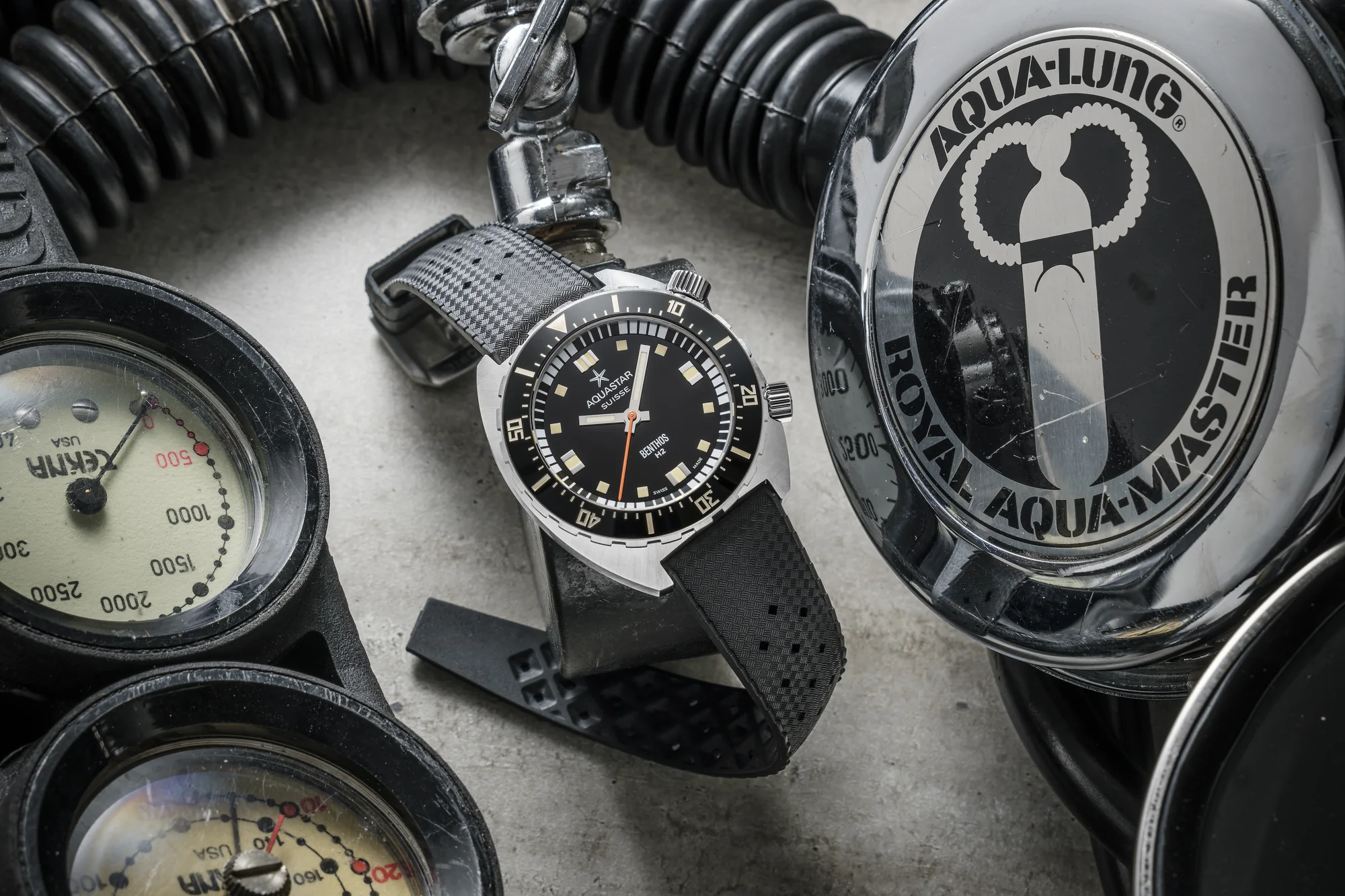
A dive watch bought for $300 rarely behaves like one bought for $3,000, and a serious collector knows why. When people ask, do dive watches hold value, the honest answer is yes – but only certain ones, and only for specific reasons tied to heritage, build quality, rarity, and market trust.
That distinction matters. The category is crowded with everything from disposable fashion pieces to historically significant underwater instruments. A dive watch can look the part without having any of the qualities that make collectors return to it years later.
Do Dive Watches Hold Value Better Than Other Watches?
Compared with generic dress watches or trend-driven sports models, dive watches often hold value well because they sit at the intersection of utility, design, and collecting culture. The best examples were built for a purpose, and that purpose still carries weight. High legibility, rotating timing bezels, substantial water resistance, and durable cases are not decorative ideas. They come from real use underwater.
That functional lineage gives dive watches an advantage. Buyers tend to respect a watch more when its design language was earned in the field rather than invented by a marketing department. A watch with true dive pedigree, credible engineering, and a strong enthusiast following has a much firmer floor than one designed only to chase a luxury trend.
Still, there is no blanket rule here. Plenty of dive watches lose value quickly, especially mass-produced models with weak finishing, generic movements, and no meaningful identity. The category is strong, but the individual watch still has to prove itself.
What Actually Makes a Dive Watch Hold Value
Value retention in this segment comes down to a handful of forces that reinforce each other.
Heritage and legitimacy
Collectors pay attention to origin stories, but not the hollow kind. A dive watch holds value better when its design is connected to real underwater use, historically important references, or a brand with documented credibility in tool watches. That legacy gives a model context. It becomes more than a nice-looking steel sports watch.
This is why re-editions can perform surprisingly well when they are executed with discipline. If the watch preserves faithful proportions, original design intent, and the spirit of the historical reference while improving reliability, it can appeal to both vintage-minded buyers and modern wearers. Heritage has to be earned, though. A faux-retro watch with no lineage is usually easy for the market to spot.
Production numbers and scarcity
Scarcity matters, but only when there is real demand behind it. A low-volume release from a respected specialist can stay strong because supply remains tight and buyers understand what the watch is. A limited watch from an unknown brand with no collector base is just limited inventory.
Smaller production often helps dive watches because enthusiasts tend to favor focused brands over broad, diluted catalogs. If a model is hard to find, technically credible, and aesthetically coherent, secondary demand can remain healthy.
Build quality and specifications
Collectors may romanticize patina and old references, but they still inspect the hardware. Case execution, bezel action, dial detail, lume quality, bracelet engineering, movement selection, and overall finishing all affect long-term perception. A watch built with sapphire, ceramic or properly executed steel bezels, strong water resistance, dependable Swiss mechanical calibers, and well-resolved case architecture will usually age better in the market than a watch that cuts corners.
This does not mean every heavily specified watch becomes collectible. It means weak specifications often expose weak intent. Buyers notice when a watch is serious and when it is simply styled to appear serious.
Design staying power
The dive watches that hold value best are usually the ones that remain attractive after trends move on. Clean dial layouts, balanced proportions, and recognizable but not overstated case shapes tend to last. If a watch feels rooted in a specific era yet still wearable now, it has a better chance of sustaining demand.
That is one reason many vintage-inspired dive watches perform well. The strongest references were already tested by time once. When they return with restraint and technical updates, they can feel less temporary than oversized, aggressively styled modern pieces.
Which Dive Watches Tend to Lose Value Fast?
The fastest depreciation usually shows up in fashion-led dive watches, heavily discounted retail models, and pieces with no enthusiast following. If the watch was bought new at a price inflated by branding rather than substance, the secondary market tends to correct it quickly.
Another weak point is overproduction. When a brand floods the market with endless colorways, special editions, and near-identical references, collectability thins out. Buyers become less certain about which version matters. Confusion is rarely good for resale.
Poor servicing support can also damage value. Even a good-looking watch struggles long term if parts, warranty confidence, or movement support are unreliable. Serious buyers think beyond the initial purchase. They want to know the watch can be maintained properly a decade from now.
Do Dive Watches Hold Value as Investments?
Usually, they are better viewed as durable luxury goods with varying resale strength rather than pure investments. Some references appreciate sharply, especially if they become culturally important or were produced in small numbers. Most do not behave that way.
A better question is whether a dive watch limits downside while giving years of use. That is where strong models justify themselves. A well-made mechanical dive watch from a credible heritage brand can deliver ownership pleasure, real utility, and respectable retained value. That is a stronger proposition than buying a watch that feels obsolete the moment the warranty card is stamped.
Collectors who consistently make good buys tend to think like stewards, not speculators. They look for authenticity, coherence, and staying power. Price charts matter, but they are not the whole story.
How to Judge If a Specific Dive Watch Will Hold Value
Start with the brand. Does it have real standing in dive-watch history, or is it borrowing the aesthetic without the substance? Then look at the model itself. Is it part of a meaningful lineage? Was it produced in sensible numbers? Does it have a distinctive identity within the market, or is it interchangeable with dozens of others?
After that, inspect the execution. Dimensions should make sense. The movement should be dependable and serviceable. The case, bezel, dial, and lume should show care, not cost-cutting. Original packaging and papers still help on resale, but they matter more when the watch itself is already desirable.
Condition remains critical. Tool watches are meant to be worn, and honest wear is expected, but damage is another matter. Deep case refinishing, replacement parts, poor polishing, moisture intrusion, and sloppy service work can all drag down value. Provenance and originality still carry weight, particularly for historically important references.
The Role of Niche Brands and Heritage Reissues
This is where the conversation gets more interesting. The market has matured beyond logo recognition alone. Many buyers now prefer specialist brands with authentic underwater history, disciplined production, and enthusiast-grade execution. In that environment, a well-made heritage reissue can hold value better than a more famous but less focused competitor.
That outcome depends on credibility. A reissue must feel connected to an original instrument, not merely inspired by vintage style. Faithful case geometry, period-correct dial language, functional bezels, modern water resistance, and proven Swiss mechanics matter because they signal respect for the source material. Aquastar operates in that exact territory, where historical legitimacy and technical purpose carry more weight than broad luxury posturing.
For seasoned collectors, that focus is not a niche weakness. It is often the reason a watch remains desirable.
So, Do Dive Watches Hold Value?
Yes, the right ones do. The strongest value retention comes from dive watches with genuine heritage, disciplined design, technical legitimacy, and a collector base that understands what the watch represents. The weakest performers are usually those built around image alone.
If you want a dive watch that stands its ground over time, buy the one with a reason to exist. Look for real lineage, modern execution, sensible production, and the kind of engineering that still makes sense far from a display case. A serious dive watch should not need hype to matter – it should be able to earn its place on the wrist and keep it.