
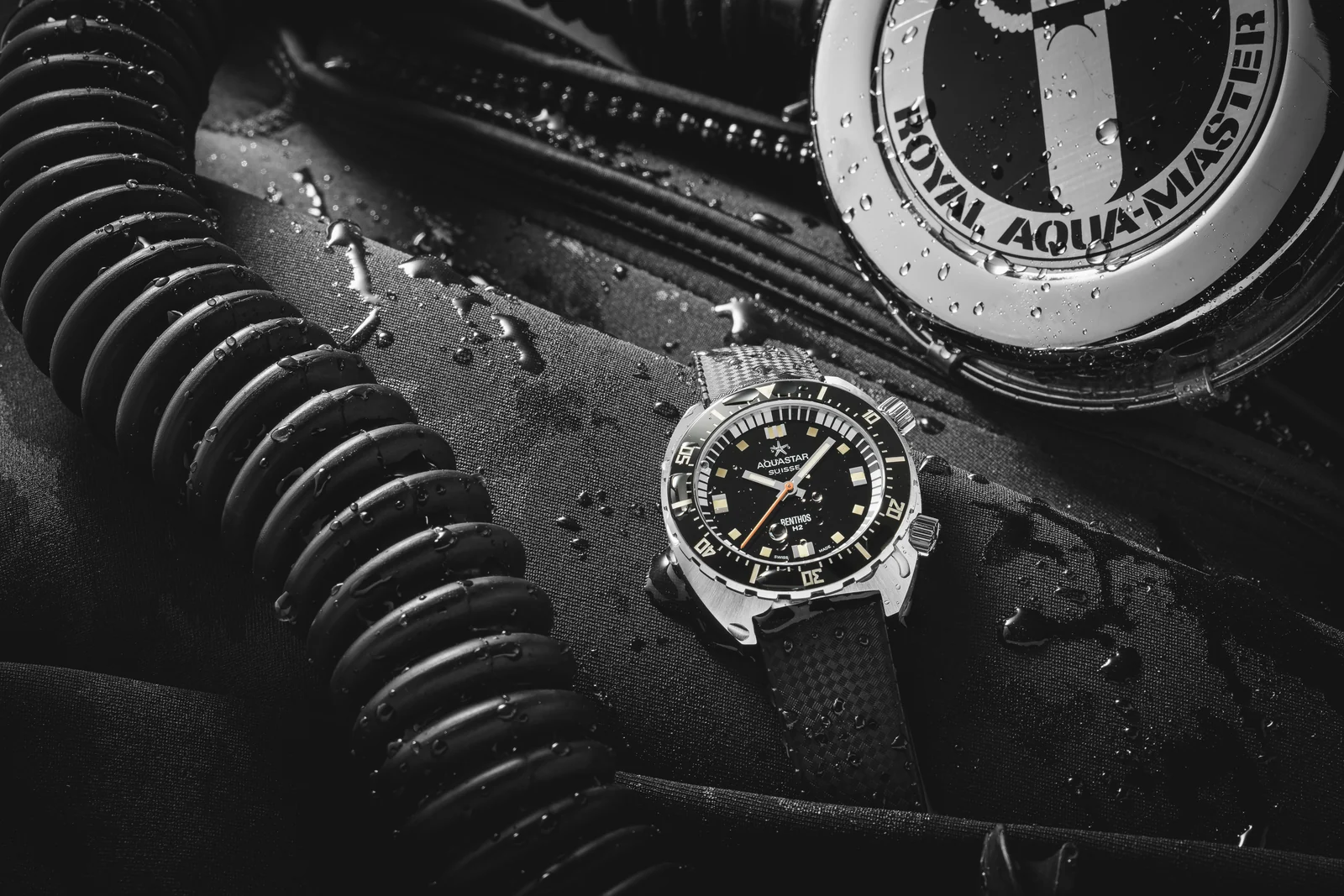
What Does Sapphire Crystal Mean On A Watch: at a glance
What does sapphire crystal mean on a watch? Lab-grown material, manufacturing, durability vs mineral/acrylic and what divers need to know. Use this guide on what does sapphire crystal mean on a watch to weigh design choices, engineering trade-offs and how the category translates to real Aquastar dive watches.
| Topic | What does sapphire crystal mean on a watch |
| Read time | 5-8 min |
| Source | Aquastar editorial |

Many watch buyers believe sapphire crystal on a watch dial refers to a natural gemstone, but it’s actually a synthetic, lab-grown material engineered specifically for extreme scratch resistance. This clarity matters especially for dive watches, where maintaining dial readability underwater can mean the difference between a safe ascent and disorientation. This article explores what sapphire crystal truly is, how it’s manufactured, why it outperforms other materials in professional diving conditions, and what divers need to know about its strengths and limitations.
Table of Contents
- What Is Sapphire Crystal On A Watch? Understanding The Material
- How Sapphire Crystal Is Made: Manufacturing Processes And Quality Factors
- Sapphire Crystal Vs Mineral Glass And Acrylic: Durability And Suitability For Dive Watches
- Practical Implications Of Sapphire Crystal For Dive Watch Users
- Explore Sapphire Crystal Dive Watches At Aquastar
- Frequently Asked Questions
Key takeaways
| Point | Details |
|---|---|
| Sapphire crystal is synthetic aluminum oxide with Mohs hardness of 9 | Lab-grown corundum offers superior scratch resistance compared to mineral glass or acrylic. |
| Manufacturing method affects optical quality and durability | Verneuil, Kyropoulos, and Czochralski processes produce varying crystal purity and stress levels. |
| Sapphire resists scratches but can be brittle under impact | High hardness protects against abrasion, yet sharp blows may chip or shatter the crystal. |
| Optical clarity and thermal shock resistance benefit divers | Clear sapphire maintains dial visibility underwater and withstands temperature changes during dives. |
| Cost and maintenance differ significantly from other crystals | Sapphire repairs are more expensive, but the material rarely needs polishing or replacement. |
What is sapphire crystal on a watch? Understanding the material
Sapphire crystal in watches is synthetic sapphire (aluminum oxide, Al₂O₃) grown under controlled laboratory conditions for optical use, not natural gemstone sapphire. This synthetic material shares the same chemical structure as natural sapphire but is produced in labs to achieve perfect clarity and purity without the inclusions or color variations found in mined gems. The result is a transparent, extremely hard crystal ideal for protecting watch dials.
Synthetic sapphire is chemically identical to natural sapphire but is lab-grown to be perfectly clear. This manufacturing approach allows watchmakers to specify optical properties precisely, ensuring each crystal meets strict standards for transparency and surface finish. The synthetic process also eliminates the ethical and environmental concerns associated with gemstone mining.
Sapphire crystal differs dramatically from the two other common watch crystal materials:
- Mineral glass: Made from tempered silicate glass, offering moderate scratch resistance at lower cost but far softer than sapphire.
- Acrylic (plastic): Lightweight and shatter-resistant, yet scratches easily and requires frequent polishing to maintain clarity.
- Sapphire: Hardest of the three at Mohs 9, second only to diamond, providing unmatched scratch protection.
Key properties make sapphire ideal for dive watches. Its hardness resists scratching from sand, metal, and underwater debris. Optical clarity ensures dial legibility in low-light conditions at depth. Chemical inertness means saltwater, oils, and cleaning agents won’t degrade the crystal. These characteristics explain why professional diver watch features for reliability consistently include sapphire crystal as a standard component.
How sapphire crystal is made: manufacturing processes and quality factors
The Verneuil Flame Fusion method is a common process for producing synthetic sapphire crystals for watch applications. This technique drops aluminum oxide powder through a high-temperature flame onto a rotating pedestal, forming a boule (cylindrical crystal) as the material melts and solidifies. Verneuil is fast and cost-effective, making it popular for mid-range watches, but the rapid cooling can introduce internal stress that slightly reduces optical clarity.
The Kyropoulos method grows larger, clearer crystals with less distortion. This process melts aluminum oxide in a crucible and slowly withdraws a seed crystal, allowing the sapphire to crystallize gradually. The controlled cooling minimizes internal stress and produces boules with fewer defects. Higher-quality dive watches often use Kyropoulos-grown sapphire for superior transparency.
The Czochralski method produces very pure sapphire with excellent optical clarity and minimal stress. Similar to Kyropoulos, this technique pulls a seed crystal from molten aluminum oxide but uses precise rotation and temperature control to grow flawless single crystals. Premium watches favor Czochralski sapphire because it delivers the highest optical performance and durability.
Sapphire crystal is produced through various industrial processes, including Verneuil, Kyropoulos, and Czochralski methods, each affecting the crystal’s quality. Manufacturing quality impacts several critical factors:
- Edge finishing: Precision cutting and beveling reduce stress concentrations that could lead to chipping.
- Polishing: High-grade polishing removes surface micro-scratches and enhances transparency.
- Internal flaws: Lower-quality processes may leave inclusions or bubbles that compromise strength.
- Anti-reflective coatings: Premium sapphire often receives multiple AR layers to maximize underwater readability.
Price and brand matter because high-end watches use stricter growth controls and quality inspection. A luxury dive watch using Czochralski sapphire with multi-layer AR coating will outperform a budget model with Verneuil crystal in both clarity and durability. When comparing best dive watch brands comparison, manufacturing method and finishing quality differentiate premium from entry-level sapphire.
Sapphire crystal vs mineral glass and acrylic: durability and suitability for dive watches
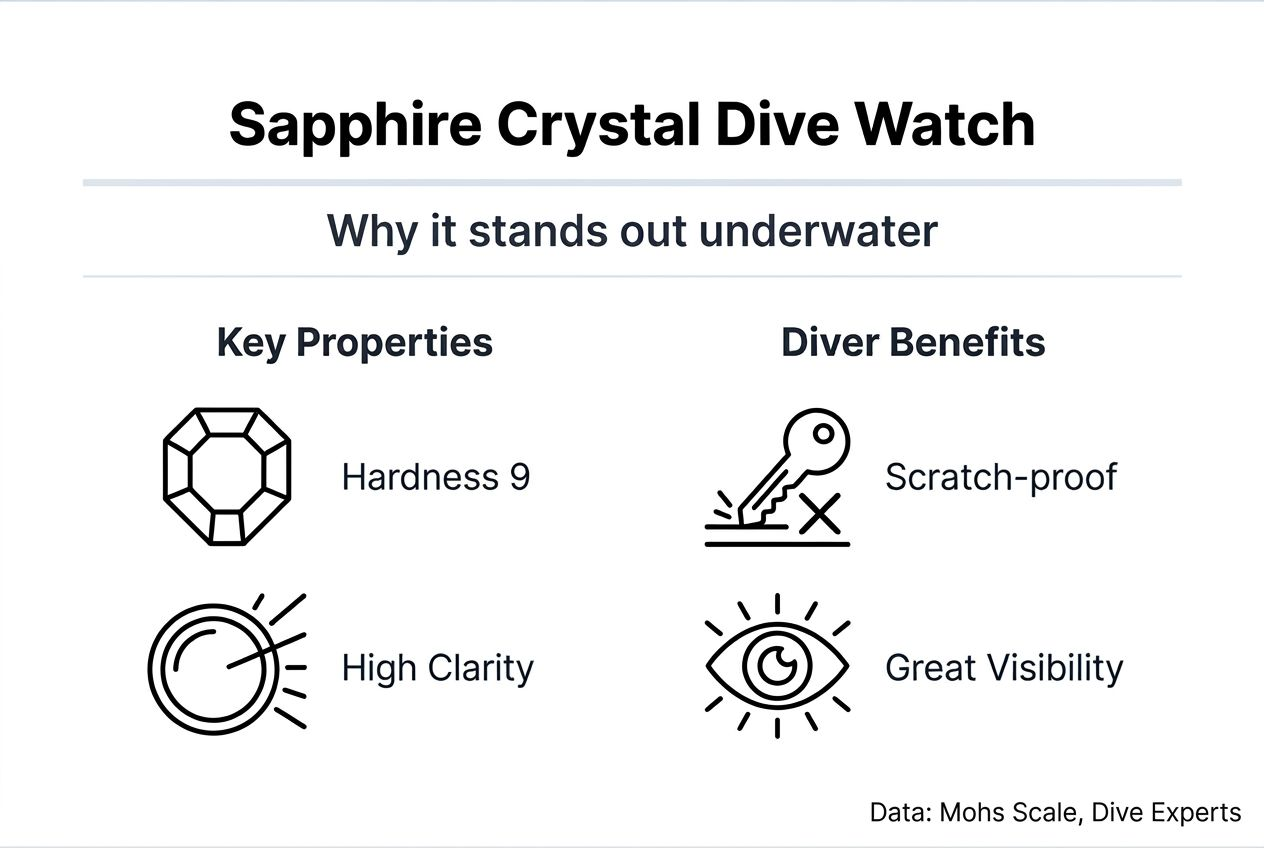
Mohs hardness ratings reveal stark differences: sapphire crystal offers superior scratch resistance at 9, mineral glass ranges from 5.5 to 7, and acrylic scores only 3 to 4. This means sapphire resists scratching from nearly all materials a diver encounters, including steel dive equipment, boat railings, sandy beaches, and rocky underwater surfaces. Mineral glass scratches more easily from everyday contact, while acrylic can be marred by fingernails or fabric.

Sapphire’s scratch resistance preserves dive watch readability and longevity underwater. A scratched crystal diffuses light and obscures dial details, which can hinder reading depth gauges or timing bezels during critical phases of a dive. Sapphire maintains optical clarity for years, even with frequent saltwater exposure and rough handling on dive boats.
Mineral glass can be chemically or heat strengthened to improve impact resistance, but it remains less scratch-resistant than sapphire. Some manufacturers use tempered mineral glass as a cost-effective compromise for recreational dive watches. However, even hardened mineral glass will eventually accumulate fine scratches that degrade visibility.
Acrylic is the most impact-resistant crystal material but scratches extremely easily. Its flexibility absorbs shocks that would shatter sapphire or mineral glass, making it popular in vintage military and tool watches. Divers can polish out acrylic scratches with simple compounds, but the material requires frequent maintenance to stay clear.
Sapphire crystals are susceptible to shattering upon impact despite their hardness. The same rigidity that resists scratches makes sapphire brittle. A sharp blow to the crystal edge, especially from dropping the watch onto a hard surface or striking it against metal underwater, can cause chips or complete failure. This brittleness is sapphire’s primary weakness in demanding dive environments.
| Property | Sapphire Crystal | Mineral Glass | Acrylic |
|---|---|---|---|
| Mohs Hardness | 9 | 5.5 to 7 | 3 to 4 |
| Scratch Resistance | Excellent | Moderate | Poor |
| Impact Resistance | Low (brittle) | Moderate | High (flexible) |
| Optical Clarity | Excellent | Good | Fair (yellows over time) |
| Cost | High | Medium | Low |
| Repair Difficulty | Difficult/expensive | Moderate | Easy/cheap |
Pro Tip: Combining sapphire crystal with a protective bezel design mitigates impact risk for divers. Bezels that sit slightly proud of the crystal surface absorb edge impacts, reducing the chance of chipping. Look for dive watches with this design feature if you frequently operate in confined underwater spaces or work with heavy equipment.
Sapphire crystal is produced synthetically, with high purity aluminum oxide (Al2O3) being the primary component. This chemical simplicity contributes to sapphire’s inertness and stability in harsh environments, making it ideal for professional diving where exposure to saltwater, pressure changes, and temperature variations is constant.
Practical implications of sapphire crystal for dive watch users
1. Scratch resistance preserves dial legibility and aesthetics over time
Dive watches endure abrasion from sand, gravel, metal fixtures, and even wetsuit zippers. Sapphire crystal maintains a pristine surface that keeps luminous markers, depth scales, and timing bezels clearly visible. This clarity is not just cosmetic; it’s a safety feature when you need to check bottom time or decompression stops at depth.
2. Brittleness means divers must avoid sharp impacts despite sapphire’s hardness
While highly scratch-resistant, sapphire can be brittle and susceptible to shattering under significant impact. Dropping your watch onto concrete, striking it against a steel tank valve, or catching the crystal edge on a sharp rock can cause chips or cracks. Handle your dive watch carefully during setup and breakdown, and avoid impacts to the crystal face and edges.
3. Optical clarity reduces distortion underwater; quality varies by manufacturing
High-grade sapphire crystal with multi-layer anti-reflective coatings minimizes glare and distortion when viewing the dial through your mask underwater. Lower-quality sapphire may have internal stress or inclusions that scatter light, reducing legibility. Premium dive watches invest in superior crystal manufacturing for this reason.
4. Sapphire resists thermal shocks important for variable underwater temperatures
Sapphire crystal’s resistance to thermal shock is a key performance factor in dive watches. Divers transition between warm surface water and cold thermoclines, then back to heated cabins or hot showers. Sapphire’s low thermal expansion coefficient means it won’t crack from rapid temperature changes that could damage lesser materials.
5. Repairs or replacements are costlier than mineral or acrylic crystals
If you do chip or crack a sapphire crystal, replacement requires specialized equipment and expertise. Costs can range from moderate to expensive depending on crystal shape, size, and AR coatings. Mineral glass and acrylic are easier and cheaper to replace, but they need replacement more often due to scratching.
Pro Tip: Regularly inspect bezel and crystal edges for micro-chips after diving sessions. Tiny edge chips can propagate into larger cracks over time, especially if water penetrates the damage. Catching edge damage early allows for preventive repair before a small chip becomes a costly crystal replacement. Use a loupe or magnifying glass in good light to check for flaws.
Understanding these practical factors helps you make informed decisions when selecting a dive watch and caring for it properly. Knowing how to identify genuine dive watches includes verifying sapphire crystal quality and protective design features that extend the crystal’s service life.
Explore sapphire crystal dive watches at Aquastar
Aquastar offers dive watches crafted with high-quality sapphire crystal for durability and clarity, engineered to meet the demands of professional and recreational divers who rely on precise timekeeping underwater. As the only Swiss watchmaker born to make exclusively dive watches, Aquastar pioneered innovations like the first analog dive computer and the first skindiver case, and those patents from the 1960s continue to influence modern dive watch design.
Discover diver watch features professional reliability offers, from sapphire crystal protection to water resistance ratings that exceed ISO standards. Compare best dive watch brands comparison to see how Aquastar’s commitment to sapphire crystal quality and manufacturing precision stacks up against competitors. Access expert tips on how to identify genuine dive watches to ensure you’re investing in authentic sapphire crystal technology backed by decades of diving heritage.
Frequently asked questions
What does sapphire crystal mean on a watch?
Sapphire crystal means the watch uses a synthetic aluminum oxide (Al₂O₃) cover over the dial, lab-grown for extreme hardness and clarity. It’s not a natural gemstone but an engineered material chosen for its Mohs 9 hardness and scratch resistance. This makes sapphire crystal the premium choice for protecting watch dials in demanding environments.
Why is sapphire crystal preferred for dive watches over other materials?
Sapphire crystal resists scratching from sand, metal, and underwater debris far better than mineral glass or acrylic, maintaining dial legibility critical for safe diving. Its optical clarity, chemical inertness to saltwater, and thermal shock resistance ensure reliable performance across temperature changes and depths. These properties make sapphire essential for professional dive watches where dial visibility can impact diver safety.
How do I maintain a watch with sapphire crystal?
Sapphire crystal requires minimal maintenance beyond regular cleaning with fresh water and a soft cloth after diving to remove salt residue. Avoid striking the crystal edges against hard surfaces, as sapphire’s brittleness makes it vulnerable to chipping from sharp impacts despite its scratch resistance. Periodically inspect the crystal and bezel edges for micro-chips that could propagate into larger cracks, and have any damage assessed by a qualified watchmaker promptly.
Can sapphire crystal break or shatter on a dive watch?
Yes, sapphire crystal can chip or shatter from sharp, focused impacts to the crystal surface or edges, particularly from dropping the watch onto hard surfaces or striking it against metal objects. While sapphire’s Mohs 9 hardness resists scratches exceptionally well, its brittleness makes it less impact-resistant than acrylic or mineral glass. Protective bezel designs that sit proud of the crystal help mitigate this risk.
How can I tell if my watch has real sapphire crystal or mineral glass?
Real sapphire crystal is extremely scratch-resistant; try the water droplet test by placing a small drop on the crystal surface. Sapphire causes water to bead tightly and roll off easily due to its smooth, hard surface. Mineral glass allows water to spread slightly more. For a definitive test, a professional watchmaker can verify sapphire using a hardness tester or by checking for the material’s distinct sound when tapped gently.
Does sapphire crystal affect dive watch legibility underwater?
High-quality sapphire crystal with anti-reflective coatings significantly improves dive watch legibility underwater by reducing glare and light distortion. The crystal’s optical clarity ensures luminous markers and dial details remain visible even in low-light conditions at depth. Lower-grade sapphire without AR coatings may reflect more light, so premium dive watches invest in multi-layer coatings to maximize underwater readability for divers.
Recommended
- 7 Must-Have Diver Watch Features for 300m+ Professional Use – Aquastar dive watches
- Dive Watch Cases Explained: Complete Collector’s Guide – Aquastar dive watches
- Best Dive Watch Brands – Expert Comparison 2025 – Aquastar dive watches
- How to Identify Genuine Dive Watches Like a Pro – Aquastar dive watches