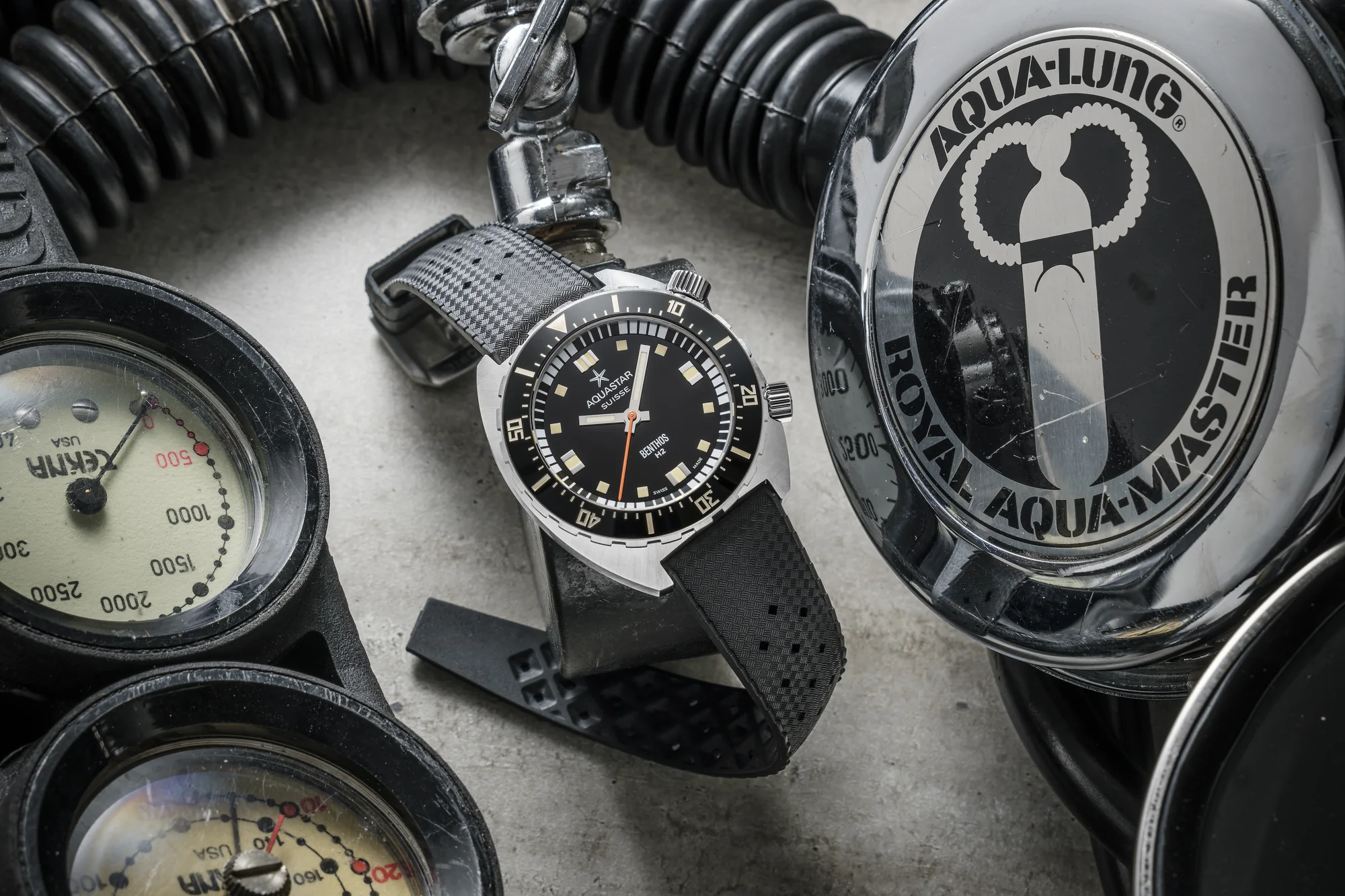
Posted on

Automatic vs Manual Dive Watches: Complete Guide

Automatic vs Manual Dive Watches: Complete Guide - automatic vs manual dive watches

Automatic Vs Manual Dive Watches: at a glance

Comprehensive guide to automatic vs manual dive watches, covering definitions, movement types, key features, accuracy, maintenance, and collector tips. Use this guide on automatic vs manual dive watches to weigh design choices, engineering trade-offs and how the category translates to real Aquastar dive watches.

TopicAutomatic vs manual dive watches
Read time5-8 min
SourceAquastar editorial

Automatic vs Manual Dive Watches: Complete Guide - automatic vs manual dive watches

Almost 70 percent of all mechanical dive watches sold today use automatic movements, a testament to their popularity among divers and collectors alike. Choosing between manual and automatic dive watches can shape your experience both above and below water. Whether you value hands-on tradition or the convenience of self-winding precision, understanding the key differences helps you find the right balance of reliability, performance, and personal satisfaction.

Table of Contents

Key Takeaways

PointDetails
Mechanical Movement TypesDive watches utilize two mechanical movements: manual and automatic, each with distinct power generation methods.
Diver SuitabilityAutomatic watches provide convenience and consistent performance, while manual watches foster a personal connection.
Maintenance NeedsManual watches require more frequent winding and attention, whereas automatic watches benefit from natural wrist movement for self-winding.
Collector InsightsVintage manual watches are prized for their craftsmanship and history, while automatic ones appeal for their modern technology and convenience.

Defining Automatic And Manual Dive Watches

Dive watches represent a specialized category of timekeeping instruments designed for underwater environments, with two primary mechanical movement types: automatic and manual. Understanding the fundamental differences between these watch mechanisms is crucial for divers and watch enthusiasts seeking reliable underwater timekeeping.

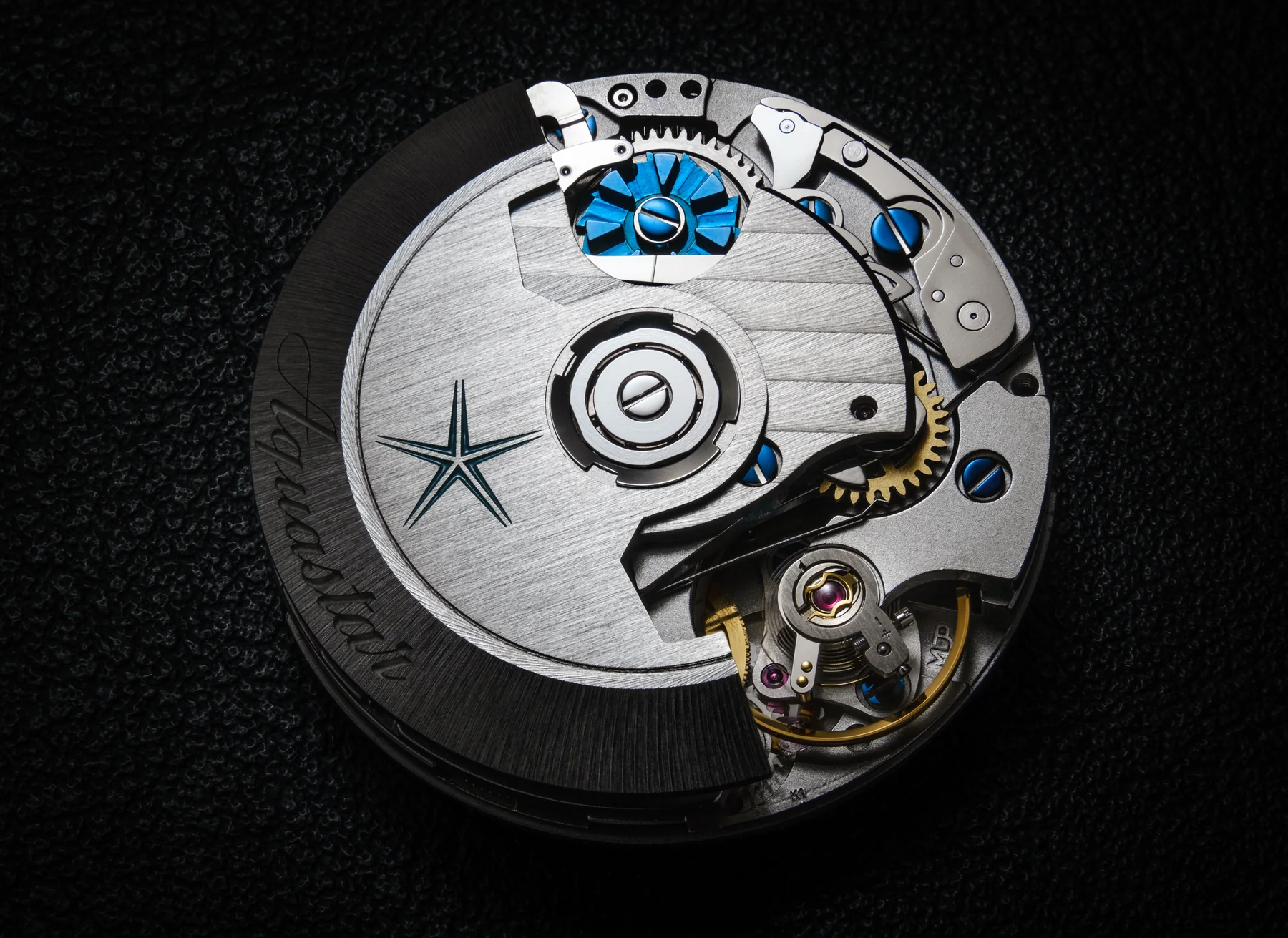
According to cjcharles.com, manual watches require the wearer to manually wind the crown by hand to tighten the mainspring, which generates power for the watch’s movement. In contrast, automatic watches, also known as self-winding watches, utilize a unique rotor mechanism that spins with the natural movement of the wearer’s wrist, automatically winding the mainspring without requiring manual intervention.

As Wikipedia explains, an automatic watch harnesses the wearer’s natural motion to generate energy, eliminating the need for routine manual winding when worn consistently. This key characteristic distinguishes automatic watches from manual watches, which demand periodic hand-winding to maintain accurate timekeeping. For professional and recreational divers, these mechanical differences can significantly impact watch performance and reliability in challenging underwater conditions.

Key characteristics of dive watch movements include:

  • Precision mechanical engineering
  • Ability to withstand high-pressure underwater environments
  • Consistent timekeeping performance
  • Durability under extreme conditions

Understanding these mechanical nuances helps divers and watch collectors make informed decisions about their timepiece selection.

watchmaking studio dive watches The Deepstar bezel offers additional insights into professional dive watch design and functionality for those interested in exploring advanced dive watch technologies.

How Mechanical Movements Drive Dive Watches

Mechanical movements are the heart of professional dive watches, representing a sophisticated engineering approach that transforms human motion and manual interaction into precise timekeeping. These intricate systems utilize mechanical energy transmission through a series of precisely crafted components that work together to measure time accurately under challenging underwater conditions.

According to Dive Watch Factory, mechanical movements come in two primary configurations: manual-winding and automatic. Manual-winding movements require the wearer to physically turn the watch’s crown, which tightens the mainspring and generates the energy needed to power the watch’s internal mechanism. In contrast, automatic mechanical movements leverage the natural motion of the wearer’s wrist to generate power, featuring an internal rotor that spins with body movements to wind the mainspring.

As Uroro explains, automatic watches function seamlessly as long as they are worn regularly, with the rotor’s continuous spinning ensuring consistent energy generation. This self-sustaining mechanism eliminates the need for frequent manual winding, making automatic watches particularly convenient for divers who rely on consistent and dependable timekeeping in marine environments.

Key components driving mechanical dive watch movements include:

  • Mainspring: The primary energy storage mechanism
  • Balance wheel: Regulates the watch’s timekeeping precision
  • Escapement: Controls energy release from the mainspring
  • Rotor (in automatic watches): Converts wrist movement into mechanical energy

For enthusiasts seeking deeper insights into advanced dive watch technologies, Column Wheel offers a comprehensive exploration of mechanical watch engineering principles that underpin professional diving timepieces.

Key Differences Between Manual And Automatic Types

Dive watches represent a sophisticated intersection of engineering and practical design, with manual and automatic movements offering distinct characteristics that appeal to different types of watch enthusiasts and professional divers. Understanding the nuanced differences between these two mechanical watch types is crucial for making an informed selection that matches individual preferences and operational requirements.

According to CJ Charles, manual watches and automatic watches differ significantly in their physical design and user interaction. Manual watches typically feature slimmer profiles and lighter weights due to the absence of a rotor, creating a more streamlined aesthetic. In contrast, automatic watches often appear more robust, with the additional rotor mechanism contributing to a slightly larger case profile. The fundamental distinction lies in their power generation: manual watches require the wearer to actively wind the crown by hand, while automatic watches harness the natural motion of the wearer’s wrist to wind the mainspring.

Formex Watch highlights an important emotional and practical dimension to this choice. Manual watches create a more intimate connection between the timepiece and the wearer, transforming daily winding into a cherished routine. Automatic watches, by comparison, offer unparalleled convenience, maintaining accurate timekeeping with minimal user intervention and proving ideal for individuals with active lifestyles or those who prefer low-maintenance timepieces.

Key comparative aspects of manual and automatic dive watches include:

Here’s a comparison of key differences between manual and automatic dive watches:

AspectManual Dive WatchesAutomatic Dive Watches
Power GenerationHand-wound by crownSelf-winding via wrist movement
Physical ProfileSlimmer, lighterBulkier, heavier
Rotor PresenceAbsentPresent (provides motion winding)
User InteractionDaily winding ritualMinimal manual intervention
MaintenanceRequires regular winding
Periodic servicing
Less winding
Periodic servicing
Collector AppealStrong vintage, artisanal valueModern convenience, innovative tech
Best ForTraditionalists, collectorsDivers, active users
  • Power generation mechanism
  • Physical profile and weight
  • Maintenance requirements
  • User interaction level
  • Historical and aesthetic appeal

For enthusiasts seeking to explore the intricacies of professional dive watch design, Model 60 Greenwich provides additional insights into the evolution of mechanical dive watch technologies.

Infographic comparing manual vs automatic dive watch features

Accuracy, Maintenance, And Dive Suitability

Professional divers demand precision, reliability, and consistent performance from their timepieces, making the choice between manual and automatic dive watches a critical decision that extends far beyond mere aesthetic preferences. The nuanced differences in accuracy, maintenance requirements, and underwater functionality can significantly impact a diver’s safety and operational effectiveness.

According to Formex Watch, both manual and automatic watches can achieve remarkable precision, though automatic watches demonstrate a slight advantage due to their continuous winding mechanism. The consistent motion of the rotor ensures more stable timekeeping, whereas manual watches may experience minor time variations as the mainspring gradually unwinds. This subtle difference becomes crucial in professional diving scenarios where every second counts and precise timing can be a matter of safety.

Roroos emphasizes that maintenance plays a pivotal role in preserving watch performance. Automatic watches offer enhanced convenience by self-winding through wrist movements, reducing the need for constant manual intervention. Manual watches, conversely, require regular and deliberate winding to maintain accurate timekeeping. Both movement types necessitate periodic professional servicing to ensure optimal functionality and longevity, particularly in the demanding environments encountered during diving operations.

Key considerations for dive watch selection include:

  • Consistent timekeeping accuracy
  • Self-winding capabilities
  • Maintenance frequency
  • Performance under pressure
  • Long-term reliability

For diving professionals seeking deeper insights into specialized timepiece technologies, AQUASTAR Navigator provides a comprehensive exploration of professional dive watch engineering principles.

Choosing The Right Dive Watch For Collectors

Watch collecting transcends mere timekeeping, representing a sophisticated fusion of engineering, history, and personal expression. For diving watch enthusiasts, selecting the perfect timepiece involves navigating complex considerations of mechanical design, historical significance, and individual aesthetic preferences.

According to Uroro, vintage manual watches possess a unique allure that captivates serious collectors. These timepieces represent more than functional instruments; they are intricate mechanical artifacts embodying historical craftsmanship. Vintage manual watches often feature exquisite engravings, complex mechanical architectures, and a level of artisanal detail that modern automatic watches rarely replicate. Collectors particularly value rare timepieces that demonstrate exceptional mechanical sophistication and tell a compelling historical narrative.

Formex Watch highlights the emotional dimension of watch collecting, emphasizing that manual watches offer a deeply personal connection. The deliberate ritual of winding a mechanical watch creates an intimate interaction between the timepiece and its owner. Automatic watches, while technologically advanced, cannot replicate this tactile engagement. For collectors, this daily interaction represents a cherished connection to traditional watchmaking techniques and mechanical artistry.

Key considerations for dive watch collectors include:

  • Historical provenance
  • Mechanical complexity
  • Craftsmanship quality
  • Aesthetic design
  • Rarity and limited production

For enthusiasts seeking to explore exceptional dive watch heritage, Aquastar Benthos Heritage II represents a remarkable example of professional dive watch engineering and design.

Find Your Perfect Dive Watch With Aquastar

Choosing between automatic and manual dive watches means balancing precision, convenience, and the connection you want with your timepiece. Aquastar understands these challenges intimately. As the original Swiss dive watch maker dedicated exclusively to professional underwater instruments, Aquastar’s innovative mechanical watches combine decades of expertise with patented technologies from the 1960s. Whether you value the ritual of manual winding or prefer the ease of automatic self-winding, our collection supports divers who demand accuracy and durability beneath the surface.

https://aquastar.ch

Explore our range at Aquastar dive watches and experience the heritage of the first analog dive computer and skindiver case watch. Your dive safety and style deserve watches engineered to back up your dive computer on every mission. Visit Aquastar today and make the choice that aligns with your diving lifestyle.

Frequently Asked Questions

What is the main difference between automatic and manual dive watches?

Automatic dive watches wind themselves through wrist movement, while manual dive watches require the wearer to wind them manually using the crown.

Which type of dive watch is more suitable for active divers?

Automatic dive watches are often more suitable for active divers due to their self-winding capabilities, which reduce the need for manual winding and provide consistent timekeeping as long as they are worn regularly.

How do maintenance requirements differ between manual and automatic dive watches?

Manual dive watches require regular manual winding to maintain accuracy, whereas automatic dive watches benefit from self-winding through wrist movement, but both types still require periodic professional servicing.

Are vintage manual dive watches worth collecting?

Yes, vintage manual dive watches often appeal to collectors due to their historical significance, intricate craftsmanship, and unique mechanical designs, making them valuable pieces in a watch collection.

Posted on

How to Identify Genuine Dive Watches Like a Pro

How to Identify Genuine Dive Watches Like a Pro - genuine dive watches

Genuine Dive Watches: at a glance

Discover how to identify genuine dive watches step by step. Learn how to spot authentic features and ensure your next dive watch purchase is the real deal. Use this guide on genuine dive watches to weigh design choices, engineering trade-offs and how the category translates to real Aquastar dive watches.

TopicGenuine dive watches
Read time5-8 min
SourceAquastar editorial

How to Identify Genuine Dive Watches Like a Pro - genuine dive watches

Did you know that over half of so-called dive watches on the market fail to meet actual professional standards? With so many brands and claims, finding a trustworthy dive watch can feel overwhelming. Choosing the right one matters because a true professional model keeps you safe and precise underwater. By learning how to spot authentic features, you will be able to identify watches built for real marine performance and lasting quality.

Table of Contents

Quick Summary

Key PointExplanation
1. Research trusted dive watch brandsFocus on manufacturers with proven marine engineering expertise and relevant patents.
2. Examine case construction and patented featuresIdentify robust designs, materials resistant to corrosion, and specialized engineering elements for durability.
3. Inspect dial, hands, and lume qualityEnsure high visibility under water with precise luminescent materials and well-aligned components.
4. Verify movement authenticity and markingsLook for precise engravings and documented movements that match official manufacturer records.
5. Authenticate with documentation and expert checksGather original purchase paperwork and engage certified experts for thorough validation of the watch.

Step 1: Prepare by researching trusted dive watch brands

Researching trusted dive watch brands is your foundational step in identifying genuine professional timepieces designed for underwater exploration. Professional divers and watch enthusiasts understand that not all watches marketed as dive watches meet the rigorous technical standards required for marine environments.

Aquastar stands out as a pioneering brand in dive watch manufacturing with a rich history of specialized watch development. When researching trusted dive watch brands, focus on manufacturers with documented marine engineering experience and specific technical innovations. Look for brands that have filed diving related patents and demonstrate a commitment to precision underwater instrumentation.

Key research strategies include examining a brand’s historical contributions to diving technology reviewing their technical specifications and understanding their professional diving heritage. Pay attention to details like water resistance ratings depth measurement capabilities and professional certifications. Aquastar World provides comprehensive information about the brand’s longstanding commitment to creating professional mechanical watches specifically engineered for marine environments.

Warning signs during research include generic marketing claims without substantive technical documentation vague water resistance ratings and lack of transparent engineering specifications. Genuine dive watch manufacturers will provide detailed technical documentation demonstrating their watches reliability and professional grade performance.

Step 2: Examine case construction and patented features

Examining case construction and patented features is a critical skill for identifying authentic professional dive watches. These technical details reveal the engineering sophistication and underwater performance capabilities of a genuine marine timepiece.

Aquastar pioneered several innovative case design elements that set professional dive watches apart from recreational timepieces. Look for specific technical characteristics like robust stainless steel construction water resistant seals precision machined crown guards and integrated helium escape valves. The Aquastar Model 60 exemplifies the brand’s commitment to creating watches with specialized marine engineering features.

Professional divers require watches with exceptional durability and precision. Authentic dive watch cases should demonstrate meticulous engineering with tight tolerances seamless construction and materials resistant to corrosion from saltwater exposure. Examine the watch case for signs of precision manufacturing including smooth edge finishing uniform metal grain and precisely aligned components. Pay special attention to water resistance ratings depth rating markings and any patented technological innovations that demonstrate advanced underwater performance capabilities.

Warning signs of substandard case construction include visible manufacturing imperfections inconsistent metal finishing poorly aligned components and generic design elements that lack specialized marine engineering features. A genuine professional dive watch represents a sophisticated precision instrument designed to perform reliably in extreme underwater environments.

dive watch inspection

Step 3: Inspect dial, hands, and lume quality

Inspecting the dial hands and luminescent quality represents a critical step in identifying genuine professional dive watches. The intricate details of these elements reveal the precision engineering and professional grade manufacturing standards of a true marine timepiece.

Aquastar has consistently demonstrated exceptional craftsmanship in dial design and luminescent technology. Professional dive watches require high contrast legibility under challenging underwater conditions which means examining the dial for precise marker placement crisp printing and uniform luminescent coating. Aquastar Deepstar 2022 Greenwich exemplifies the brand’s commitment to creating watches with superior visual clarity and performance.

When evaluating dive watch quality focus on several key indicators of authentic manufacturing. The luminescent material should provide consistent bright illumination with even color distribution and long lasting brightness. Hand design must demonstrate precision with razor sharp edges perfectly aligned indices and seamless integration with the dial. Look for professionally engineered luminescent compounds that maintain visibility in low light and underwater environments.

Warning signs of substandard construction include uneven lume application inconsistent hand alignment faded or poorly applied luminescent materials and generic dial design elements. A genuine professional dive watch represents a precision instrument engineered to deliver reliable performance and exceptional visual clarity in extreme marine environments.

Step 4: Verify movement authenticity and markings

Verifying movement authenticity and markings is a sophisticated process that separates genuine professional dive watches from inferior imitations. This critical examination reveals the internal engineering precision that defines a true marine instrument.

According to WatchProSite, a genuine dive watch movement can be distinguished by specific factory markings rotor decorations and caliber numbers that align precisely with the brand’s official documentation. Aquastar has long been recognized for producing meticulously documented movements with transparent traceability and exceptional engineering standards.

Professional collectors should conduct a comprehensive movement inspection by examining several key indicators. Look for precisely engraved serial numbers that match external watch references inspect the rotor for brand specific decorative elements and verify the caliber number against official manufacturer records. Pay close attention to the finishing quality of movement components including polish level of bridges precision of gear teeth and overall mechanical integration.

Warning signs of counterfeit movements include generic manufacturing marks inconsistent serial number sequences poorly finished components and lack of precise technical documentation. A genuine professional dive watch movement represents a sophisticated mechanical system engineered to deliver exceptional reliability and performance in extreme marine environments.

Step 5: Authenticate with documentation and expert checks

Authentication of professional dive watches requires a comprehensive approach that combines meticulous documentation review and expert verification. This final step bridges technical inspection with professional validation ensuring absolute confidence in your timepiece.

Aquastar provides robust documentation that supports the authenticity of their professional marine instruments. Serious collectors should gather and carefully examine original purchase documentation including warranty cards serial number registrations original sales receipts and technical specification sheets. Column Wheel highlights the importance of maintaining comprehensive paperwork that traces the watch’s provenance and manufacturing lineage.

Professional authentication involves engaging certified watch experts who can perform detailed technical assessments. These specialists conduct microscopic examinations of movement components compare internal markings against manufacturer archives and verify historical manufacturing details. Their expertise extends beyond visual inspection to include precision measurements mechanical performance evaluations and cross referencing with official brand documentation.

Warning signs during expert authentication include incomplete documentation inconsistent serial number records suspicious movement modifications or significant discrepancies between external watch characteristics and manufacturer specifications. A genuine professional dive watch represents not just a timepiece but a precision engineered instrument with verifiable technical heritage and professional grade manufacturing standards.

Three-step process infographic for authenticating dive watches

Trust Your Dive Watch Choice with Aquastar’s Proven Expertise

Identifying a genuine dive watch requires understanding intricate details like case construction, luminescence quality, and authentic movements. Many enthusiasts struggle with vague claims and counterfeit copies that fail professional standards. Aquastar solves this problem by delivering mechanical dive watches rooted in a trusted legacy of pioneering patents and marine engineering perfected since the 1960s. Their watches incorporate patented innovations designed specifically for demanding underwater conditions.

Explore Uncategorized – Aquastar dive watches to discover dive watches that match the strict criteria you learn about in the article.

https://aquastar.ch

Elevate your dive watch knowledge into confidence by choosing from Aquastar’s professional-grade timepieces. Visit Aquastar today to experience craftsmanship built exclusively for divers who demand precision reliability and authenticity. Don’t settle for less than the heritage of the first Swiss brand dedicated solely to dive watches. Act now and secure a genuine dive watch that stands the test of both time and ocean depths.

Frequently Asked Questions

How can I research trusted dive watch brands?

Research trusted dive watch brands by focusing on their history in marine engineering and specific technical innovations. Look for brands with patents related to diving technology and robust documentation on water resistance and performance specifications.

What features should I look for in a dive watch’s case construction?

Examine the dive watch’s case for robust stainless steel construction, water-resistant seals, and any specialized features like integrated helium escape valves. Ensure the case shows signs of precision manufacturing, such as smooth edges and tightly fit components.

How do I assess the dial and luminescent quality of a dive watch?

Inspect the dial for precise marker placement and clarity, ensuring that the luminescent material provides consistent brightness and even illumination. Pay attention to hand alignment and the overall design to confirm high-quality craftsmanship.

What are the key indicators of a genuine dive watch movement?

To verify a dive watch movement, check for engraved serial numbers that match the watch’s references and inspect the rotor for brand-specific decorative elements. Assess the finish quality of movement components to ensure they meet the brand’s high standards.

How can I authenticate a dive watch with proper documentation?

Authenticate a dive watch by collecting original purchase documents such as warranty cards and technical specification sheets. Engage a certified expert to perform thorough technical assessments and verify the watch’s provenance against the manufacturer’s records.

What warning signs indicate a dive watch may not be genuine?

Look for red flags such as inconsistent serial numbers, visible manufacturing imperfections, or vague technical specifications that lack detail. A lack of transparent engineering documentation is also a strong indicator that the watch may not be a genuine professional dive watch.

Posted on

What Is a Skin Diver? Complete Guide for Collectors

What Is a Skin Diver? Complete Guide for Collectors - skin diver

Skin Diver: at a glance

Comprehensive guide to skin divers: definitions, watch history, key design features, usage differences, and modern relevance for collectors. Use this guide on skin diver to weigh design choices, engineering trade-offs and how the category translates to real Aquastar dive watches.

TopicSkin diver
Read time5-8 min
SourceAquastar editorial

What Is a Skin Diver? Complete Guide for Collectors - skin diver

Did you know that over 70 percent of dive watch enthusiasts prefer skin diver styles for daily wear? These watches are celebrated for their combination of water resistance, comfort, and classic charm. With a sleek profile and practical functionality, skin diver watches meet the needs of recreational divers and collectors alike. Discover what sets these iconic timepieces apart and why their smart design keeps them popular both underwater and on dry land.

Table of Contents

Key Takeaways

PointDetails
Skin Diver Watch DefinitionA skin diver watch is designed for recreational diving, featuring water resistance between 100-300 meters and prioritizing slim, ergonomic designs for comfort.
Case CharacteristicsSkin diver cases are compact (34-38mm), featuring arched profiles and large crowns for ease of use and readability underwater.
Comparison to Professional Dive WatchesUnlike professional dive watches, which are bulkier and meant for deep-sea use, skin diver watches are lightweight and intended for recreational purposes.
Collector AppealVintage and modern skin diver watches are increasingly sought after for their unique blend of historical significance and contemporary craftsmanship, making them versatile timepieces.

What Defines a Skin Diver Watch

A skin diver watch represents a specialized timepiece designed for recreational underwater activities, offering a unique blend of performance and practicality. According to The Calibrated Wrist, these watches typically feature a water resistance rating between 100 and 200 meters, making them distinctly different from professional diving equipment.

The primary characteristics of skin diver watches include their slim profile and ergonomic design. Horobox notes that these watches are specifically engineered for recreational diving without SCUBA gear, emphasizing lightweight construction and streamlined aesthetics. Unlike bulky professional dive watches, skin divers prioritize comfort and ease of movement in shallow water environments.

Key defining features of skin diver watches include:

  • Water resistance between 100-300 meters
  • Slim, lightweight construction
  • Ergonomic case design
  • Legible dial for underwater readability
  • Reliable self-winding or quartz movement

Aquastar, as a pioneer in dive watch technology, has consistently pushed the boundaries of what a skin diver watch can represent. Their commitment to creating precise, functional timepieces for underwater exploration continues to define the standard for modern skin diver watches.

Key Characteristics of Skin Diver Cases

Skin diver watch cases represent a distinctive design philosophy that prioritizes functionality and comfort for underwater enthusiasts. The Calibrated Wrist reveals that early skin diver watches featured unique architectural elements that set them apart from traditional dive watches.

Historically, these cases were characterized by specific design elements that enhanced underwater performance. According to the research, classic skin diver cases typically included arched designs with distinctive squared-off lugs, tall acrylic crystal domes, and slender coin-edge bezels. The case dimensions were remarkably compact, usually ranging between 34-38mm in diameter – a size that prioritized ergonomic wearability over excessive bulk.

Key case design characteristics include:

  • Arched case profiles
  • Squared-off, slim lugs
  • Tall, dome-shaped acrylic crystals
  • Large, unprotected crowns
  • Compact diameter (34-38mm)

Horobox emphasizes that the fundamental goal of skin diver case design is creating a slimmer, more ergonomic timepiece compared to professional diving watches. Aquastar has consistently embodied this design philosophy, crafting cases that balance elegant aesthetics with practical underwater functionality. The skin diver case represents more than just a protective shell – it’s a carefully engineered interface between the diver and their underwater environment.

skin diver case

Skin Diver vs. Other Dive Watches

Dive watches represent a specialized category of timepieces, with skin diver watches occupying a unique niche that distinguishes them from professional diving equipment. Horobox highlights a critical difference: skin diver watches typically feature water resistance ratings below 300 meters, making them ideal for recreational diving experiences, unlike professional dive watches designed for extreme underwater environments.

The Calibrated Wrist provides additional insights into the fundamental distinctions between skin diver and professional dive watches. The most notable differences emerge in design philosophy and functional requirements. Professional dive watches are typically bulkier, with robust construction intended for deep-water exploration, while skin diver watches prioritize ergonomic design and lightweight wearability.

Key comparative characteristics include:

Here’s a comparison of skin diver watches and professional dive watches:

FeatureSkin Diver WatchProfessional Dive Watch
Water Resistance100-300 meters300+ meters
Case DesignSlim, ergonomicRobust, heavy-duty
Diameter34-38mm40mm and larger
Intended UseRecreational divingTechnical, commercial diving
WeightLightweight
Easy to wear
Heavier
Crown ProtectionUnprotected
Large crown
Often protected
Screw-down
Collector AppealVintage aesthetic
Versatile
Tool instrument
Durable
  • Water Resistance
    • Skin Diver: 100-300 meters
    • Professional Dive Watch: 300+ meters
  • Case Design
    • Skin Diver: Slim, ergonomic
    • Professional Dive Watch: Robust, heavy-duty
  • Intended Use
    • Skin Diver: Recreational diving
    • Professional Dive Watch: Technical and commercial diving

For collectors and diving enthusiasts, Aquastar Deepstar represents the pinnacle of skin diver watch design. These timepieces embody the delicate balance between elegant form and practical function, offering a refined alternative to traditional professional diving watches. The skin diver watch is not just a tool, but a statement of understated maritime sophistication.

Infographic comparing skin diver and professional dive watches by water resistance, case size, and intended use.

Historical Role in Dive Watch Evolution

The skin diver watch emerged as a pivotal innovation in underwater timekeeping during the mid-20th century. The Calibrated Wrist reveals that the 1950s and 1960s marked a transformative period, where these timepieces became a critical middle ground between casual watches and professional diving equipment, offering reliable water resistance for recreational underwater activities.

Horobox emphasizes that skin diver watches were specifically designed to address the needs of emerging recreational diving communities. These watches represented a technological compromise, providing essential functionality without the excessive bulk and complexity of professional dive instruments. They democratized underwater timekeeping, making reliable dive watches accessible to enthusiasts and amateur divers who previously found professional equipment intimidating or impractical.

Key historical developments in skin diver watch evolution include:

  • Introduction of standardized water resistance ratings
  • Ergonomic design improvements
  • Increased accessibility for recreational divers
  • Simplified dial and bezel configurations
  • Lightweight construction techniques

For enthusiasts seeking deeper insights into this fascinating period of maritime timekeeping, History of the Benthos offers a comprehensive exploration of how these remarkable timepieces transformed underwater exploration. Aquastar’s commitment to innovation during this era positioned skin diver watches as more than mere instruments – they became symbols of human curiosity and maritime adventure.

Modern Uses and Collector Appeal

The skin diver watch has transcended its original underwater purpose to become a highly sought-after collector’s item. The Calibrated Wrist highlights the growing trend of vintage reissues that capture the imagination of modern watch enthusiasts, with contemporary models paying homage to the classic designs of the mid-20th century.

Horobox emphasizes that contemporary skin diver watches represent a perfect fusion of vintage aesthetic and modern watchmaking technology. Collectors are drawn to these timepieces not just for their historical significance, but for their ability to blend nostalgic design elements with contemporary performance standards. The appeal lies in their versatility – equally at home during underwater adventures or as a stylish accessory for everyday wear.

Key attributes that make skin diver watches desirable for collectors include:

  • Authentic vintage design aesthetics
  • Improved modern manufacturing techniques
  • Versatile wear across casual and formal settings
  • Historical connection to maritime exploration
  • Compact and ergonomic case designs

AQUASTAR Navigator exemplifies the pinnacle of modern skin diver watch design, demonstrating how these timepieces continue to evolve while maintaining their core identity. More than just functional instruments, skin diver watches have become wearable pieces of horological art that tell a story of human innovation, exploration, and timeless design.

Discover the Legacy of Skin Diver Watches with Aquastar

If you have been captivated by the rich history and unique design of skin diver watches as described in the guide, you understand the challenge of finding a timepiece that balances heritage, precision, and ergonomic comfort for underwater adventures. Many collectors and diving enthusiasts seek watches that honor the classic aesthetics while offering modern mechanical reliability and water resistance suited for recreational diving.

Aquastar is the perfect solution for those who value these qualities. As the pioneer who introduced the first skin diver case watch and the only Swiss brand born to exclusively create dive watches, Aquastar continues to lead innovation in professional mechanical dive watches. Explore iconic models like the Aquastar Deepstar and the AQUASTAR Navigator which fuse vintage inspiration with cutting-edge technology.

Act now to experience dive watches that do more than tell time. They connect you to a legacy of marine exploration and expert craftsmanship.

https://aquastar.ch

Elevate your collection with a watch designed by the creators of underwater timekeeping innovation. Visit Aquastar today and choose a skin diver watch that stands the test of time beneath the waves.

Frequently Asked Questions

What is a skin diver watch?

A skin diver watch is a specialized timepiece designed for recreational underwater activities, typically offering water resistance ratings between 100 and 200 meters and emphasizing a slim, ergonomic design for comfort and ease of movement.

How do skin diver watches differ from professional dive watches?

Skin diver watches generally have lower water resistance ratings (100-300 meters) compared to professional dive watches (300+ meters). They are designed to be slimmer, more ergonomic, and lightweight, making them more comfortable for casual diving.

What are the key characteristics of skin diver watches?

Skin diver watches are recognized for features such as water resistance between 100-300 meters, a lightweight construction, an ergonomic case design, legible dials, and reliable self-winding or quartz movements.

What historical significance do skin diver watches hold in watchmaking?

Skin diver watches emerged in the mid-20th century as crucial innovations that bridged the gap between casual and professional diving watches, addressing the needs of recreational diving communities while maintaining essential functionality without excessive bulk.

Posted on

How to Collect Dive Watches: A Complete Collector’s Guide

How to Collect Dive Watches: A Complete Collector’s Guide - how to collect dive watches

How To Collect Dive Watches: at a glance

Learn how to collect dive watches with this step-by-step guide. Discover, evaluate, and build a quality dive watch collection that stands out worldwide. Use this guide on how to collect dive watches to weigh design choices, engineering trade-offs and how the category translates to real Aquastar dive watches.

TopicHow to collect dive watches
Read time5-8 min
SourceAquastar editorial

How to Collect Dive Watches: A Complete Collector’s Guide - how to collect dive watches

Did you know that some vintage dive watches have fetched over $1 million at auction? Collecting these iconic timepieces is more than a search for rarity. A thoughtful approach helps showcase the technological leaps and adventurous spirit behind each model. With each choice, you shape not just a collection but a personal chronicle of maritime exploration and design innovation.

Table of Contents

Quick Summary

Key PointExplanation
1. Define Your Collecting GoalsEstablish a clear focus on specific aspects of dive watches to guide your collection effectively.
2. Conduct Thorough ResearchInvestigate historical models and innovations to gain a deeper understanding of the evolution of dive watches.
3. Source from Trusted SellersPurchase watches only from reputable dealers to ensure authenticity and avoid counterfeit pieces.
4. Assess Condition and AuthenticityEvaluate each watch’s physical state and historical provenance to protect your investment.
5. Preserve and Display ProperlyImplement strategies for maintaining and showcasing your collection to enhance its longevity and narrative value.

Step 1: Define your collecting focus and goals

Before you start acquiring dive watches, you need a clear collecting strategy. According to the National Association of Watch and Clock Collectors, having a well defined collecting philosophy will guide your acquisitions and ensure each timepiece contributes meaningfully to your collection.

Start by asking yourself some key questions. Are you interested in vintage dive watches from specific decades? Do you want to collect pieces that represent technological milestones in underwater timekeeping? Are you drawn to watches with unique historical significance or those from pioneering manufacturers like Aquastar?

Consider narrowing your focus based on several potential parameters:

Here’s a summary of the main focus areas for developing your dive watch collecting goals:

Focus AreaExample CriteriaCollection Value
Historical Era1950s-1980s vintage modelsReflects technological evolution
Design CharacteristicsMinimalist dials, unique bezelsHighlights aesthetic variety
Technical InnovationsWater resistance, movement typesShows engineering progress
Geographical OriginSwiss, Japanese, FrenchIllustrates regional diversity
Condition & RarityMint, NOS, limited editionsEnhances exclusivity and value
  • Historical era (1950s to 1980s vintage models)
  • Specific design characteristics (minimalist dive watches)
  • Technical innovations
  • Geographical origin of watches
  • Condition and rarity of timepieces

As you develop your collecting goals, remember that building a meaningful collection takes time. Research extensively and be patient with your selections. Your collection should tell a story about dive watch evolution and reflect your personal passion for maritime timekeeping.

A strategic approach will transform your collection from random acquisitions into a curated assemblage of horological significance. Your next step involves deep research into your chosen focus area.

Step 2: Research iconic and innovative dive watch models

Researching dive watches requires more than casual browsing. According to watch collecting experts, understanding the technological evolution of maritime timepieces is crucial to building a meaningful collection.

Start your research by exploring significant eras in dive watch history. The mid 20th century represents a golden age for underwater timekeeping. Manufacturers like Aquastar pioneered innovative designs that transformed how divers tracked time and maintained safety underwater.

When investigating iconic models, consider several key research approaches:

  • Study technical innovations that defined different watch generations
  • Examine the progression of water resistance capabilities
  • Understand how bezel designs evolved for underwater navigation
  • Research materials and manufacturing techniques
  • Track how professional diving requirements influenced watch development

As research from watch collector resources indicates, diversifying your understanding across vintage, modern, and niche timepieces offers a comprehensive appreciation of horological evolution. Each category represents unique technological advancements and design philosophies.

Pro Tip: Document your research meticulously. Create a digital or physical archive of information about each watch model you discover.

Focus on understanding not just the watches themselves, but the stories behind their creation. Your next step involves connecting with expert communities and collectors who can provide deeper insights into these remarkable maritime timekeeping instruments.

Step 3: Source authentic dive watches from trusted sellers

Sourcing authentic dive watches requires a strategic and meticulous approach. According to the National Watch and Clock Museum, acquiring timepieces involves careful evaluation of authenticity and alignment with your collecting mission.

Begin by identifying reputable sellers who specialize in vintage and professional dive watches. Specialized dealers with documented expertise in maritime timepieces can provide critical insights and verification of a watch’s provenance and condition.

Consider these key strategies when sourcing authentic dive watches:

  • Research the seller’s reputation and professional credentials
  • Request comprehensive documentation including service history
  • Verify authentication through expert appraisals
  • Examine detailed condition reports and high resolution photographs
  • Compare pricing across multiple trusted platforms

As the Metropolitan Museum of Art emphasizes in its collecting practices, thorough research and collaborative verification are essential in acquiring valuable timepieces. Each potential acquisition demands careful investigation to ensure its legitimacy and historical significance.

Pro Tip: Always request original documentation and service records. These papers are as valuable as the watch itself in establishing authenticity.

Network with experienced collectors and join specialized forums where you can gain insights and recommendations. Your diligence will protect your investment and help you build a collection of genuine maritime timekeeping instruments. Your next step involves understanding proper preservation and maintenance techniques for your newly sourced watches.

Step 4: Assess condition, authenticity, and value

Carefully evaluating dive watches requires a systematic and informed approach. According to the American Alliance of Museums, effective collections stewardship demands rigorous assessment of each piece’s condition, authenticity, and potential value.

Authenticity begins with detailed visual and technical examination. Look for original manufacturing markers such as precise dial configurations, correct movement signatures, and period appropriate manufacturing techniques specific to maritime timepieces like those pioneered by Aquastar.

Key assessment criteria include:

  • Examine dial integrity and original patina
  • Verify movement serial numbers and engravings
  • Check case back stampings and hallmarks
  • Assess overall mechanical functionality
  • Evaluate historical documentation and provenance

dive watch authenticity

As the Metropolitan Museum of Art emphasizes in its collecting practices, transparency and thorough research are fundamental. Professional appraisers can provide comprehensive evaluations that go beyond surface level observations.

Pro Tip: Photograph and document every detail during your assessment. These records become invaluable for future reference and potential resale.

Value determination involves understanding market trends, rarity, and historical significance. Consult specialized horological resources and connect with expert communities to gain nuanced insights. Your meticulous approach will transform your collection from random acquisitions into a curated assembly of maritime timekeeping history. Your next step involves understanding proper preservation and maintenance techniques.

Step 5: Preserve and showcase your dive watch collection

Preserving your dive watch collection requires careful strategy and thoughtful presentation. According to the National Watch and Clock Museum, effective preservation goes beyond simple storage it involves creating an educational narrative about maritime timekeeping history.

Establish a controlled environment that protects your timepieces from potential damage. Temperature stability humidity control and minimal light exposure are critical factors in maintaining your watches structural integrity. Consider investing in specialized watch storage solutions that offer individual compartments and protection from dust environmental contaminants.

Key preservation and showcase strategies include:

  • Use watch winders for mechanical timepieces
  • Install museum grade display cases with controlled humidity
  • Create detailed documentation for each watch
  • Implement rotation strategies to prevent prolonged static display
  • Develop a systematic cataloging approach

As the American Alliance of Museums emphasizes collections should balance preservation with public accessibility. Your collection tells a story about maritime technological evolution particularly with pioneering maritime timepieces like those from Aquastar.

Pro Tip: Photograph your collection professionally. High quality documentation serves both archival and potential future valuation purposes.

Network with other collectors and consider occasional curated exhibitions. Your meticulous approach transforms a personal collection into a meaningful preservation of horological maritime heritage. Your next step involves continuing to expand your knowledge and connections within the dive watch collecting community.

Elevate Your Dive Watch Collection with Aquastar

If you are passionate about building a dive watch collection that tells a story of innovation and maritime heritage, Aquastar offers timepieces that perfectly complement your journey. The challenge of sourcing authentic, technically advanced dive watches that embody decades of underwater watchmaking expertise is real. Aquastar, the only Swiss watchmaker born exclusively to craft dive watches, pioneers designs that collectors and divers value deeply.

https://aquastar.ch

Explore unique professional mechanical watches forged from patents filed in the 1960s that shaped modern dive watches. From the first analog dive computer, the Navigator, to the groundbreaking skindiver case, Aquastar continues to deliver functionality and style for collectors and divers alike. Start your next chapter in dive watch collecting today by browsing our Uncategorized – Aquastar dive watches and discover pieces that honor your collecting goals. Visit Aquastar now and experience dive watches designed with history and performance in every tick.

Frequently Asked Questions

How do I define my dive watch collecting goals?

To define your dive watch collecting goals, start by identifying your interests, such as specific historical eras or design characteristics. Create a list of at least three focus areas that resonate with you, ensuring they contribute meaningfully to your collection.

What should I research when learning about dive watches?

When researching dive watches, focus on significant historical eras, technical innovations, and design evolution. Explore at least five iconic models and document their key features and developments to deepen your understanding of maritime timekeeping history.

How can I ensure the authenticity of a dive watch before purchasing?

To ensure authenticity, thoroughly evaluate the watch’s condition, including original markers and movement signatures. Request detailed documentation and consider getting a professional appraisal to confirm the watch’s legitimacy and historical significance.

What are the best practices for preserving my dive watch collection?

Preserving your dive watch collection involves maintaining a controlled environment with stable temperature and humidity. Invest in specialized watch storage solutions, and rotate your watches periodically to avoid prolonged display in one position.

How can I assess the value of my dive watches?

To assess the value of your dive watches, analyze market trends, rarity, and historical significance. Create a valuation report based on recent sales of similar models, and consult with expert communities to get a clearer picture of each piece’s worth.

What steps can I take to connect with other dive watch collectors?

To connect with other dive watch collectors, join specialized forums and attend watch exhibitions or collector meetups. Aim to engage with at least three communities to share insights and experiences, fostering relationships with fellow enthusiasts.

Further reading: Wikipedia on diving watches.

Posted on

Cómo usar relojes para submarinismo: Guía práctica

Cómo usar relojes para submarinismo: Guía práctica - relojes para submarinismo

Relojes Para Submarinismo: at a glance

Aprende cómo usar relojes para submarinismo con una guía paso a paso que asegura precisión, seguridad y resultados óptimos en cada inmersión. Use this guide on relojes para submarinismo to weigh design choices, engineering trade-offs and how the category translates to real Aquastar dive watches.

TopicRelojes para submarinismo
Read time5-8 min
SourceAquastar editorial

Cómo usar relojes para submarinismo: Guía práctica - relojes para submarinismo

Más del 60% de los incidentes en buceo recreativo se relacionan con fallos en el equipo, según datos de DAN World. Un reloj de submarinismo confiable es mucho más que un accesorio, es una verdadera herramienta de seguridad bajo el agua. Elegir y mantener el reloj correcto puede marcar la diferencia en cada inmersión, aumentando tu confianza mientras exploras las profundidades.

Relojes Para Submarinismo: Tabla de contenidos

Resumen Rápido

Punto ClaveExplicación
1. Elige un reloj de buceo adecuadoDebe tener resistencia al agua de al menos 200 metros y características específicas de buceo.
2. Ajusta correctamente el biselAsegúrate de que gire solo en sentido antihorario para garantizar tu inmersión segura.
3. Verifica la hermeticidadInspecciona sellos y intervalos para prevenir la entrada de agua al reloj.
4. Configura funciones de buceoEstablece profundidad máxima y tiempos de inmersión para navegar con seguridad.
5. Realiza mantenimiento post-inmersiónLimpia y revisa tu reloj para asegurar su durabilidad y precisión futura.

Selecciona el reloj de submarinismo adecuado

Elegir el reloj de submarinismo adecuado es fundamental para garantizar tu seguridad y rendimiento bajo el agua. No se trata solo de un accesorio de moda, sino de una herramienta crítica para tu supervivencia durante las inmersiones.

Al seleccionar un reloj de buceo, necesitas considerar varios aspectos técnicos. Según la guía ‘Zancada Gigante’ de DAN World, el reloj debe cumplir requisitos específicos de resistencia y funcionalidad. Primero, busca un reloj con resistencia al agua garantizada de al menos 200 metros, que te permita sumergirte sin preocupaciones.

Las características principales que debes evaluar incluyen:

  • Legibilidad del dial bajo condiciones de poca luz
  • Bisel giratorio unidireccional para calcular tiempo de inmersión
  • Material resistente a la corrosión salina
  • Mecanismo de alta precisión

Un consejo profesional: elige preferiblemente un reloj diseñado específicamente para buceo, no un modelo genérico. Los relojes de herramientas profesionales están fabricados para soportar las condiciones más exigentes bajo el agua.

Recuerda que tu reloj de buceo no solo marca el tiempo. Es tu compañero de seguridad en las profundidades marinas. Invierte en un equipo que realmente comprenda las necesidades del submarinismo profesional.

Ajusta el reloj para la inmersión

Ajustar correctamente tu reloj de buceo antes de sumergirte puede marcar la diferencia entre una inmersión segura y una potencialmente peligrosa. Este paso es fundamental para garantizar que tu equipo funcione de manera precisa y confiable bajo el agua.

Comienza por verificar el bisel rotatorio, una característica esencial de los relojes de submarinismo. Consulta nuestra guía sobre cómo usar cronógrafos submarinos para comprender su funcionamiento exacto. El bisel debe girar únicamente en sentido antihorario, lo que evita que accidentalmente extiendas el tiempo de inmersión.

Pasos para preparar tu reloj de buceo:

  • Asegúrate de que la corona esté completamente ajustada y bloqueada
  • Comprueba la hermeticidad del cristal y la caja
  • Verifica que el bisel gire suavemente sin resistencia
  • Confirma que la hora esté sincronizada con tu equipo de buceo

Un consejo crucial es calibrar tu reloj justo antes de sumergirte. Los cambios de temperatura y presión pueden afectar su precisión, por lo que una verificación final es siempre recomendable.

Recuerda que tu reloj no solo marca el tiempo. Es tu aliado de seguridad en las profundidades, proporcionándote información crítica durante toda la inmersión.

Verifica la hermeticidad y condiciones

Antes de sumergirte, verificar la hermeticidad y condiciones de tu reloj de buceo es tan crucial como revisar tu equipo de respiración. Según la guía ‘Zancada Gigante’ de DAN World, una inspección minuciosa puede prevenir fallos potencialmente peligrosos durante la inmersión.

La hermeticidad del reloj es tu primera línea de defensa contra la entrada de agua. Consulta nuestra historia de innovaciones en relojes de buceo para comprender la evolución de los sistemas de estanqueidad. Para realizar una verificación completa, necesitas prestar atención a varios elementos críticos.

Pasos para inspeccionar la hermeticidad:

  • Revisa visualmente los sellos de goma y la junta de la corona
  • Comprueba que no haya signos de desgaste o microfisuras
  • Verifica que la corona esté completamente atornillada
  • Busca cualquier indicio de corrosión o daño en la caja

Un consejo profesional del Diplomado en Técnicas de Investigación de Buceo Científico es realizar una prueba de presión antes de cada inmersión. Si no tienes equipo especializado, un técnico profesional puede ayudarte a garantizar la total hermeticidad.

Recuerda que un reloj de buceo no es solo un accesorio. Es un instrumento de seguridad que puede salvarte la vida en condiciones submarinas extremas.

Configura las funciones de buceo

Configura tu reloj de buceo con precisión puede ser la diferencia entre una inmersión segura y una potencialmente riesgosa. Según la guía ‘Zancada Gigante’ de DAN World, dominar las funciones específicas de tu reloj es fundamental para una navegación submarina exitosa.

Cada función requiere una configuración meticulosa. Explora la historia de las innovaciones en relojes de buceo para comprender cómo han evolucionado estas herramientas tecnológicas. Las configuraciones principales incluyen establecer la profundidad máxima, tiempo de inmersión y ajustar el modo de descompresión.

Pasos clave para configurar tu reloj:

  • Selecciona el modo de buceo específico
  • Calibra la profundidad máxima permitida
  • Ajusta el tiempo de inmersión según tu plan
  • Configura los intervalos de seguridad

Un consejo crucial del Diplomado en Técnicas de Investigación de Buceo Científico es practicar estas configuraciones en tierra antes de sumergirte. La familiaridad con tu equipo puede salvarte la vida bajo el agua.

Recuerda que tu reloj de buceo no es solo un accesorio. Es un compañero de seguridad que te guía durante toda la inmersión.

Controla el tiempo y seguridad bajo el agua

Controlar el tiempo y la seguridad durante una inmersión es crítico para prevenir riesgos potenciales. Según la guía ‘Zancada Gigante’ de DAN World, tu reloj de buceo se convierte en tu aliado más importante para gestionar los parámetros de seguridad submarina.

La gestión del tiempo requiere una atención constante y precisa. Consulta nuestra historia de innovaciones en relojes de buceo para entender cómo estas herramientas han evolucionado para proteger a los buceadores. Tus principales objetivos son monitorear el tiempo de inmersión, controlar la profundidad y gestionar los intervalos de descompresión.

Elementos clave para controlar tu seguridad:

  • Observa constantemente el tiempo transcurrido
  • Mantén un registro de tu profundidad actual
  • Vigila los límites de no descompresión
  • Calcula los tiempos de ascenso seguros

Un consejo crucial del Diplomado en Técnicas de Investigación de Buceo Científico es mantener la calma y no permitir que la ansiedad afecte tus decisiones. El reloj es tu guía objetiva para tomar decisiones seguras bajo el agua.

Recuerda que cada segundo cuenta. Tu reloj no solo marca el tiempo sino que literalmente puede salvarte la vida.

Realiza el mantenimiento post-inmersión

El mantenimiento adecuado de tu reloj de buceo después de sumergirte es tan importante como su preparación previa. Cada inmersión somete a tu reloj a condiciones extremas que requieren una limpieza y revisión cuidadosa para garantizar su rendimiento futuro.

Inmediatamente después de salir del agua, tu reloj necesita atención específica. Explora nuestra historia de innovaciones en relojes de buceo para comprender la importancia de preservar estos instrumentos de precisión.

Pasos esenciales de mantenimiento:

  • Enjuaga el reloj con agua dulce
  • Seca completamente con un paño suave
  • Verifica que no queden residuos de sal o arena
  • Lubrica las juntas y la corona suavemente
  • Guarda en un lugar seco y fresco

Un consejo profesional es realizar una inspección visual detallada buscando signos de desgaste o microfisuras. La corrosión puede desarrollarse rápidamente si no tratas tu reloj adecuadamente después de cada inmersión.

mantenimiento reloj buceo

Recuerda que un reloj bien mantenido no solo durará más tiempo. Te acompañará con precisión en cada aventura submarina.

A continuación, se resumen los pasos clave y recomendaciones para el mantenimiento post-inmersión del reloj de buceo:

Paso de MantenimientoAcción RecomendadadaConsejo Profesional
EnjuagueAgua dulceEliminar residuos de sal y arena
SecadoPaño suaveEvitar humedad residual
Inspección visualBuscar desgaste o microfisurasRevisar sellos y corona
LubricaciónAplicar en juntas y coronaUsar lubricante especializado
AlmacenamientoLugar seco y frescoNo exponer a luz directa ni calor excesivo

Eleva tu experiencia de submarinismo con relojes profesionales Aquastar

¿Quieres asegurar cada inmersión con un reloj diseñado para resistir las exigencias del mundo submarino? La guía práctica sobre cómo usar relojes para submarinismo resalta la importancia de elegir, ajustar y mantener un reloj fiable que te acompañe en cada aventura bajo el agua. En Aquastar sabemos que para ti la seguridad y precisión son esenciales y por eso fabricamos relojes mecánicos profesionales con una herencia y tecnología única en el mercado.

https://aquastar.ch

Descubre en nuestra categoría Uncategorized – Aquastar dive watches modelos creados específicamente para buzos que valoran funciones avanzadas como bisel unidireccional, resistencia superior y materiales anticorrosión. No dejes que un reloj genérico ponga en riesgo tu seguridad. Explora ahora Aquastar y equipa tu próxima inmersión con el aliado perfecto que asegura tu tiempo y protección. Visítanos y lleva tu submarinismo al siguiente nivel hoy mismo.

Preguntas Frecuentes

¿Cómo seleccionar el reloj de submarinismo adecuado?

Para elegir el reloj de submarinismo adecuado, busca uno que tenga una resistencia al agua de al menos 200 metros y características como un bisel giratorio unidireccional y material resistente a la corrosión. Evalúa la legibilidad del dial y asegúrate de que tenga un mecanismo de alta precisión.

¿Cómo ajustar correctamente mi reloj de buceo antes de sumergirme?

Ajusta tu reloj de buceo asegurándote de que la corona esté completamente atornillada y el bisel gire suavemente en sentido antihorario. Realiza la comprobación final justo antes de sumergirte para garantizar su precisión bajo el agua.

¿Qué debo revisar para verificar la hermeticidad de mi reloj de buceo?

Para verificar la hermeticidad de tu reloj, revisa visualmente los sellos de goma, comprueba signos de desgaste y asegúrate de que la corona esté bien atornillada. Realiza una prueba de presión antes de la inmersión para asegurarte que no haya filtraciones.

¿Cuáles son las funciones clave que debo configurar en mi reloj de buceo?

Configura las funciones de tu reloj, como el modo de buceo, la profundidad máxima permitida y los intervalos de seguridad. Asegúrate de practicar estas configuraciones en tierra antes de sumergirte para familiarizarte con el uso del reloj.

¿Cómo puedo realizar el mantenimiento de mi reloj de buceo después de la inmersión?

Realiza el mantenimiento de tu reloj de buceo enjuagándolo con agua dulce y secándolo con un paño suave tras cada inmersión. Inspecciona visualmente la caja y verifica las juntas, aplicando lubricante en ellas según sea necesario para mantener su funcionamiento óptimo.

Further reading: Wikipedia on diving watches.

Posted on

Military Diver Watch Explained: Complete Collector Guide

Military Diver Watch Explained: Complete Collector Guide - military diver watch

Military Diver Watch: at a glance

Military diver watch explained for collectors. Learn about definitions, types, key features, Mil-Spec standards, and alternatives in this comprehensive…. Use this guide on military diver watch to weigh design choices, engineering trade-offs and how the category translates to real Aquastar dive watches.

TopicMilitary diver watch
Read time5-8 min
SourceAquastar editorial

{
“@type”: “Article”,
“author”: {
“url”: “https://aquastar.ch”,
“name”: “Aquastar”,
“@type”: “Organization”
},
“@context”: “https://schema.org”,
“headline”: “Military Diver Watch Explained: Complete Collector Guide”,
“publisher”: {
“url”: “https://aquastar.ch”,
“name”: “Aquastar”,
“@type”: “Organization”
},
“inLanguage”: “en”,
“articleBody”: “Military diver watch explained for collectors. Learn about definitions, types, key features, Mil-Spec standards, and alternatives in this comprehensive guide.”,
“description”: “Military diver watch explained for collectors. Learn about definitions, types, key features, Mil-Spec standards, and alternatives in this comprehensive guide.”,
“datePublished”: “2025-10-29T02:45:49.968Z”
}

Military Diver Watch Explained: Complete Collector Guide - military diver watch

Did you know that some military diver watches can withstand pressures greater than 300 meters underwater without missing a second? For military divers, watches are more than just timepieces. These specialized instruments make the difference between safety and disaster deep below the surface, where reliability can save lives. Understanding what sets a military diver watch apart reveals the essentials for professionals who rely on precision and toughness in the harshest environments.

Table of Contents

Key Takeaways

PointDetails
Core FunctionalityMilitary diver watches are engineered as precision instruments, crucial for critical underwater operations and environments.
Performance StandardsThey must meet rigorous specifications, including extreme water resistance, shock resistance, and corrosion resistance.
Distinction from Civilian ModelsUnlike civilian dive watches, military versions prioritize functional reliability over aesthetics and luxury features.
Collector ConsiderationsBuyers should focus on technical performance and authenticity rather than appearance to avoid common purchasing mistakes.

Defining a Military Diver Watch: Core Purpose

A military diver watch represents a sophisticated precision instrument engineered for underwater operations and extreme maritime environments. These specialized timepieces are designed not merely as accessories but as critical tools supporting professional divers in military and naval operations. Unlike standard recreational dive watches, military dive watches must meet rigorous performance standards that ensure reliability, durability, and functionality under challenging underwater conditions.

The core purpose of a military diver watch centers on providing precise timekeeping and critical operational information in environments where standard equipment would fail. Our guide on dive watch cases highlights the intricate engineering required to create these robust instruments. Key design characteristics include exceptional water resistance, high legibility in low-light conditions, corrosion-resistant materials, and the ability to withstand significant underwater pressure.

Critical features that define a military diver watch include:

  • Extreme water resistance beyond 200 meters
  • Luminescent markers for visibility in dark underwater environments
  • Shock-resistant mechanical movements
  • Corrosion-resistant case materials like titanium or specialized stainless steel
  • Robust construction capable of surviving extreme temperature variations

While commercial dive watches offer similar aesthetic features, military diver watches are distinguished by their uncompromising technical specifications and performance standards. These timepieces are engineered as mission-critical tools, designed to function reliably in scenarios where equipment failure could mean the difference between life and death for military personnel operating in challenging maritime environments.

Types of Military Diver Watches and Mil-Specs

Military diver watches are classified into several specialized categories, each designed to meet specific operational requirements for naval and underwater military personnel. These watches are not simply timekeeping devices, but sophisticated instruments engineered to perform under extreme maritime conditions. Our guide on dive watch history reveals the complex evolution of these remarkable timepieces.

According to historical research, military dive watches can be broadly categorized into three primary types:

  • Tactical Diving Watches: Used by special forces and underwater combat units
  • Saturation Diving Watches: Designed for deep-sea and prolonged underwater missions
  • Standard Issue Military Dive Watches: Standard equipment for naval personnel and marine operations

The military specifications (mil-specs) for these watches are extraordinarily rigorous. Key performance standards include:

  • Water resistance beyond 300 meters
  • Exceptional shock resistance
  • Luminescent markers visible in complete darkness
  • Corrosion-resistant materials
  • Ability to function in temperatures ranging from -40°F to 120°F

As exemplified by the Amfibia, developed in 1967 for the Soviet Ministry of Defense, these watches represent precision engineering. These timepieces must reliably function in environments where standard equipment would catastrophically fail, serving as critical tools that can potentially save lives during complex maritime operations.

Key Features and Functions for Professional Use

Professional military dive watches represent the pinnacle of precision engineering, designed to provide critical functionality in the most demanding underwater environments. These timepieces are far more than mere accessories – they are sophisticated instruments that can mean the difference between mission success and potential catastrophic failure. Our guide on identifying authentic dive watches highlights the intricate details that separate professional-grade instruments from standard timepieces.

The critical functional features of professional military dive watches include advanced technical capabilities that go beyond standard timekeeping. According to research on specialized diving equipment, these watches must provide:

  • Precise depth tracking mechanisms
  • Decompression calculation capabilities
  • Multiple time zone representations
  • Advanced luminescence for underwater visibility
  • Extreme pressure resistance
  • Corrosion-resistant internal mechanisms

As exemplified by the Rolex Sea-Dweller, specialized features like the automatic helium escape valve represent critical engineering innovations. This mechanism allows professional divers to safely transition between high-pressure underwater environments and standard atmospheric conditions without risking watch damage. Similarly, the Amfibia’s manual and automatic winding mechanisms demonstrate the importance of reliable timekeeping in military diving operations.

Professional military dive watches are engineered to withstand extraordinary challenges. They must function flawlessly in environments ranging from freezing arctic waters to scorching tropical seas, providing mission-critical information with unwavering precision.

close-up diver watch These timepieces are not just tools – they are lifelines for professionals operating in some of the most challenging conditions imaginable.

Military Diver Watches Versus Civilian Models

Military diver watches represent a unique category of timekeeping instruments that fundamentally differ from civilian dive watches in design, functionality, and purpose. While civilian models often prioritize aesthetic appeal and recreational use, military dive watches are engineered as precision instruments with life-critical performance requirements. Our guide on dive watch innovations illuminates the sophisticated engineering behind these specialized timepieces.

The key distinctions between military and civilian dive watches can be categorized into several critical areas:

  • Durability Standards: Military watches must withstand extreme environmental conditions
  • Performance Specifications: Engineered for mission-critical operational requirements
  • Materials: Utilize specialized corrosion-resistant and high-strength materials
  • Functionality: Advanced technical features beyond standard timekeeping
  • Cost Considerations: Prioritize performance over aesthetic luxury

According to historical research, watches like the Amfibia demonstrate how military timepieces can transcend their original purpose. Initially developed for Soviet military operations, such watches gained worldwide popularity due to their reliable reputation and exceptional cost-effectiveness. While the Rolex Submariner evolved from a diving tool to a luxury status symbol, military dive watches remain fundamentally focused on operational reliability.

Ultimately, military dive watches represent a pinnacle of engineering precision. They are not merely accessories or fashion statements, but sophisticated tools designed to function flawlessly in the most challenging environments imaginable. Where civilian watches might prioritize appearance, military models are uncompromising instruments of survival and mission success.

Here’s a summary comparing military and civilian diver watches:

AspectMilitary Diver WatchesCivilian Diver Watches
Durability StandardsExtreme environmentsGeneral recreational use
Performance SpecsMission-critical
High reliability
Basic diving functions
MaterialsCorrosion-resistant
High-strength alloys
Standard stainless steel
FunctionalityAdvanced features
Multi-time zone
Decompression support
Timekeeping
Date display
Basic rotation bezel
Design FocusFunctional
Utilitarian
Aesthetic
Lifestyle-oriented
Cost ConsiderationFunction over luxuryLuxury-oriented options

Common Mistakes When Buying Military Diver Watches

Military diver watch collectors frequently encounter several critical pitfalls that can compromise their investment and operational reliability. Purchasing these specialized timepieces requires extensive research and a sophisticated understanding of technical specifications. Our guide on submarine chronograph usage provides essential insights into evaluating these precision instruments.

The most common mistakes collectors make when purchasing military diver watches include:

  • Prioritizing Aesthetics Over Functionality: Selecting watches based on appearance rather than technical performance
  • Overlooking Authenticity: Failing to verify the genuine origin of the timepiece
  • Ignoring Material Specifications: Neglecting the critical importance of corrosion-resistant materials
  • Misunderstanding Pressure Ratings: Assuming all dive watches can withstand identical underwater conditions
  • Purchasing Without Historical Context: Buying without understanding the watch’s specific operational design

According to historical research, watches like the Amfibia demonstrate the importance of authenticity in military timepieces. The market is saturated with counterfeit models that may look convincing but lack the critical engineering specifications required for professional use. Collectors must develop a discerning eye to distinguish between genuine military-grade instruments and mere decorative imitations.

Ultimately, purchasing a military diver watch is an investment in precision engineering. Successful collectors approach these timepieces as sophisticated tools, not mere accessories. They prioritize technical reliability, historical authenticity, and functional performance over superficial aesthetic considerations.

Discover the Power of True Military Diver Watches with Aquastar

Understanding the precision and reliability demanded by military diver watches reveals just how important superior craftsmanship and specialized features are for underwater professionals. If you value watches designed to excel under extreme pressure and extreme conditions then exploring a collection born from decades of innovation is essential. Aquastar has pioneered the dive watch industry with patented designs and professional mechanical watches focused exclusively on dive performance ensuring every timepiece is more than just a watch — it is a trusted tool.

https://aquastar.ch

Experience firsthand the legacy and engineering that support your dive missions with Aquastar. Visit our Uncategorized – Aquastar dive watches to learn about models that combine historical authenticity with modern technology. Don’t settle for anything less than professional-grade quality. Explore the full range at Aquastar and take the next step toward owning a true military-inspired diver watch designed for peak functionality and durability. Act now to secure a timepiece that will never compromise in the depths or on the surface.

Frequently Asked Questions

What is a military diver watch?

A military diver watch is a specialized timepiece designed for underwater operations and extreme maritime environments, characterized by rigorous performance standards, such as extreme water resistance, luminescent markers, and corrosion-resistant materials.

How do military diver watches differ from civilian models?

Military diver watches are engineered for durability and mission-critical performance, with features like advanced technical specifications, extreme environmental resistance, and functional designs, while civilian dive watches often prioritize aesthetics and basic diving functions.

What are the key features to look for in a military diver watch?

Key features include water resistance beyond 200 meters, advanced luminescence for visibility in low light, shock-resistant movements, corrosion-resistant materials, and reliable construction capable of withstanding significant underwater pressure.

What common mistakes should collectors avoid when buying military diver watches?

Common mistakes include prioritizing aesthetics over functionality, overlooking authenticity, neglecting material specifications, misunderstanding pressure ratings, and failing to consider the historical context of the watch.

Further reading: Wikipedia on military dive watches.

Posted on

Best Dive Watch Brands – Expert Comparison 2025

Best Dive Watch Brands – Expert Comparison 2025 - best dive watch brands

Best Dive Watch Brands: at a glance

Best dive watch brands for 2026: expert comparison of Aquastar, Rolex, Tudor, Omega and Doxa across price, heritage and dive-watch credentials. Use this guide on best dive watch brands to weigh design choices, engineering trade-offs and how the category translates to real Aquastar dive watches.

TopicBest dive watch brands
Read time5-8 min
SourceAquastar editorial

Best Dive Watch Brands – Expert Comparison 2025

best dive watch brands hero header image

Best Dive Watch Brands – Expert Comparison 2025 - best dive watch brands

Mechanical watches offer something rare. They blend tradition and innovation, turning practical tools into objects of style and history. Some brands honor decades of craftsmanship and adventure while others bring vintage looks to everyday life. Whether you want a rugged companion for underwater challenges or a piece that sparks conversation at the dinner table, the choices say as much about you as they do about time. It is easy to get drawn in by the details and stories behind each brand. So what sets them apart and which one fits your style and needs best

Table of Contents

Aquastar

Product Screenshot

At a Glance

Aquastar is a purpose-built dive watch brand with deep roots and modern execution: a legacy beginning in 1957 translated into contemporary instruments for the water. The watches combine heritage-inspired styling with Swiss-made mechanical engineering, durable coatings, and 300-meter water resistance to support serious underwater work. Bottom line: if you want a watch born from dive culture — engineered to back up your dive computer and endure commercial use — Aquastar is one of the few makers that does that with historical credibility.

Core Features

Aquastar manufactures professional mechanical watches that marry heritage designs with modern engineering. Key attributes include Swiss automatic ETA 2824-2 movements, sapphire crystals with anti-reflective coating on both sides, durable DLC (diamond-like carbon) coatings, and unidirectional ceramic bezels with luminous scales. Water resistance to 300 meters is standard, and the lineup includes re-editions, chronographs, and reinterpretations of icons such as the Benthos 500 and Deepstar. Every model is built to perform as a backup to dive computers for both recreational and commercial diving.

Pros

  • Revered by professional divers: Aquastar’s history and engineering choices have earned respect in dive communities, and professionals trust the watches in demanding conditions.
  • High water resistance of 300 meters: The 300 m rating ensures reliability for serious underwater use and provides a comfortable safety margin for most technical dives.
  • Modern reinterpretation of a heritage model: Classic silhouettes like the Benthos 500 and Deepstar are updated with contemporary materials and finishing while staying true to original design cues.
  • Durable DLC coating: Diamond-like carbon treatments increase scratch resistance and longevity, keeping the watch legible and presentable after repeated exposure to saltwater and gear.
  • Reliable ETA Swiss movement: The ETA 2824-2 automatic movement is a workhorse choice that prioritizes serviceability and accuracy over novelty.

Who It’s For

Aquastar is designed for diving professionals and serious enthusiasts who value historically rooted design and practical underwater performance. It’s ideal for heritage collectors who want authentic reissues, divers who need a mechanical backup to their dive computer, and buyers who favor durable construction and proven Swiss movements over flashy complications.

Unique Value Proposition

Aquastar stands out because it was conceived exclusively as a dive-watch maker — the only Swiss watchmaker born to make only dive watches — and that focus informs every design decision. The brand filed numerous patents in the 1960s that helped pave the road for modern dive-watch technology; it created the first analog dive computer, the Navigator, and introduced the first skindiver case watch. Those milestones aren’t marketing copy — they’re functional lineage. Today, Aquastar continues to produce professional mechanical watches that combine that patent-driven legacy with contemporary materials (DLC, ceramic bezels, dual-side AR sapphire) and a serviceable ETA movement. In short: you get historic innovation plus modern durability, designed expressly to back up dive computers and survive commercial use — a clear advantage for buyers who need purpose-built reliability rather than fashion-driven features.

Real World Use Case

A professional diver straps on the Aquastar Benthos Professional before a deep-sea survey. The watch’s 300-meter rating, robust DLC finish, and legible luminous bezel give the diver a dependable mechanical backup to the dive computer, while the ETA movement and serviceable components mean predictable performance dive after dive.

Pricing

Not specified, pre-order available

Website: https://aquastar.ch

Baltic Watches

Product Screenshot

At a Glance

Baltic Watches delivers vintage-inspired mechanical timepieces that skew classic and elegant rather than flashy. Assembled in France, the brand emphasizes detailed workmanship and a loyal customer base — reflected in a 4.8-star rating from over 4,800 reviews. If you want a tasteful, mechanically focused watch with clear design identity, Baltic is worth a close look. Expect occasional availability delays for popular limited editions.

Core Features

Baltic’s lineup centers on vintage-inspired designs powered by mechanical movements and assembled in France. The range includes dedicated collections such as Aquascaphe (dive-oriented), Hermétique, Scalegraph, and the MR series, plus rotating limited editions and new releases. The brand leans into aesthetic coherence: thin polished cases, period-appropriate dials, and strap options that echo mid-century styles. Social engagement is strong, with an active presence at @balticwatches that helps launch drops and maintain collector interest.

Pros

  • Elegant and detailed design: Baltic consistently delivers classic lines and dial finishes that read as carefully considered rather than trendy.
  • High customer reviews: With a 4.8-star score from over 4,800 reviews, customer satisfaction appears high across models and service interactions.
  • Wide range of styles and sizes: From dive-focused Aquascaphe pieces to chronographs and field-inspired models, there’s a model for different wrists and tastes.
  • Quality craftsmanship and assembly in France: Watches are assembled in France, which supports tighter quality control and a strong narrative around European craftsmanship.
  • Active social media presence for engagement: The brand’s social channels keep collectors informed and foster community around new releases.

Cons

  • Limited information on warranty and after-sales services can leave buyers uncertain about long-term support for mechanical watches.
  • Availability of out-of-stock items may delay purchase, especially for limited editions that sell quickly.
  • Pricing may be on the higher side for some budgets, which could put Baltic out of reach for cost-conscious buyers.

Who It’s For

Baltic is aimed at watch enthusiasts and collectors who value mechanically driven, vintage-inspired aesthetic and French assembly. If you appreciate period-correct proportions, readable dials, and a brand that cultivates collector energy online, Baltic aligns with your priorities. If budget is your main concern, consider this a mid-range luxury pick rather than a bargain.

Unique Value Proposition

Baltic’s sweet spot is marrying retro styling with contemporary build quality and limited-production appeal. The brand sells a coherent aesthetic narrative: watches that look like they could be from the 1960s but are assembled and supported today. That blend attracts collectors who want a classic look without hunting for long-lost originals.

Real World Use Case

Imagine wearing an Aquascaphe for daily use: it pairs with casual and office attire, slips comfortably under a shirt cuff, and becomes a go-to piece for weekend outings and travel. Collectors will also rotate Baltic pieces into a small collection as recognizable, attractive models that hold sentimental and stylistic value.

Pricing

From €360 to €1,750 depending on the model and edition.

Website: https://baltic-watches.com

Blancpain

Product Screenshot

At a Glance

Blancpain is a storied luxury watchmaker whose identity blends classical horology with ocean-minded adventure. Its line-up—from Villeret dress pieces to the Fifty Fathoms and Bathyscaphe dive family—spans formal elegance and serious tool-watch credentials. You get meticulous craftsmanship, limited editions that carry collector appeal, and a brand voice tied to ocean conservation and culinary patronage. Expect prestige, exceptional finishing, and a premium price tag.

Core Features

Blancpain’s core strengths are its range of collections and emphasis on fine watchmaking. Key capabilities include multiple dedicated dive families (notably the Fifty Fathoms and Bathyscaphe), classic dress watches in the Villeret line, and frequent limited-edition runs that spotlight heritage or special themes. The brand invests in innovative mechanical mechanisms and maintains a global boutique presence to support owners. Blancpain also engages in ocean conservation and cultural partnerships, which reinforces brand purpose beyond the wrist.

Pros

  • Revered heritage and craftsmanship: Blancpain’s long history underpins meticulous finishing and movement quality that collectors respect.
  • Diverse collections for many tastes: From formal Villeret pieces to the rugged Fifty Fathoms and Bathyscaphe dive watches, the range suits different style and functional needs.
  • Strong brand ethos: The combination of innovation and heritage gives each release narrative weight and technical credibility.
  • Global boutique network: Flagship stores and a worldwide presence make in-person service, try-ons, and aftercare accessible in key cities.
  • Active conservation involvement: Engagement with ocean preservation adds authentic purpose and aligns the brand with environmental stewardship.

Cons

  • High price point limits accessibility: Blancpain’s luxury positioning leads to premium pricing that puts many models out of reach for typical buyers.
  • Limited accessibility for non-high-end consumers: The focus on exclusivity and limited editions means mainstream availability is constrained.
  • Restricted distribution channels: Many models are primarily sold through boutiques and select retailers, which can make immediate purchase and comparison harder.

Who It’s For

Blancpain is aimed at affluent buyers and serious collectors who prioritize traditional craftsmanship, horological pedigree, and exclusivity. If you value limited editions, museum-quality finishing, and a watch that serves as both an heirloom and a status symbol, this brand fits. It’s also ideal for buyers who want a dive watch with true historical lineage rather than a purely tool-oriented, mass-market option.

Unique Value Proposition

Blancpain’s unique offering is the marriage of classical haute horlogerie with genuine dive-watch heritage—most visibly through the Fifty Fathoms family—backed by limited editions and a conservation-minded identity. You’re buying more than a movement; you’re buying craft, story, and curated scarcity.

Real World Use Case

Picture a collector purchasing a Blancpain Fifty Fathoms or a limited Bathyscaphe to mark a milestone anniversary: it functions as daily wear, a conversation starter in collector circles, and an asset intended to be passed down. It’s at once practical for occasional diving and symbolic of long-term value.

Pricing

Premium pricing typical of luxury watches; specific prices vary by model and edition.

Website: https://blancpain.com

Omega Watches

Product Screenshot

At a Glance

Omega is a storied Swiss watchmaker operating since 1848, known for precision, craftsmanship, and enduring design. The brand offers broad collections — notably Speedmaster, Seamaster, and Aqua Terra — that blend classic lines with modern details like vivid gradient dials and ceramic bezels. If you want a luxury statement piece that also reads as horological pedigree, Omega delivers; expect premium pricing and a luxury-oriented shopping experience.

Core Features

Omega’s strengths lie in its heritage-driven craftsmanship and clearly presented product details. Models feature handcrafted, interchangeable straps, clear visuals, and thorough specifications for collectors who scrutinize every millimeter and material. Newer releases incorporate contemporary touches — gradient dials, ceramic bezels — while core collections maintain recognizable silhouettes. The website emphasizes the brand’s history, celebrity associations, and innovations in watchmaking, packaged for an audience that values provenance as much as polish.

Pros

  • Built on deep heritage and quality: Omega’s lineage since 1848 communicates a long-standing commitment to precise Swiss watchmaking and trusted construction.
  • Diverse collection offerings: From the sporty Seamaster to the iconic Speedmaster and the versatile Aqua Terra, the range covers dress, sport, and every-day luxury in multiple sizes.
  • Modern aesthetic updates: Recent models showcase vivid gradient dials and ceramic bezels that refresh classic designs with contemporary flair.
  • Customization with handmade straps: Interchangeable, hand-crafted straps let you tailor look and comfort without changing the watch head.
  • Detailed online product presentation: High-quality visuals and thorough specs help you evaluate fit, finish, and features before purchase.

Cons

  • High price point limits accessibility: Omega’s pricing places it firmly in the luxury segment, which can be prohibitive for casual buyers.
  • Premium pricing reduces casual accessibility: Because models skew expensive, impulse buyers or those new to collecting may find options out of reach.
  • Website cookie usage may affect experience: The site’s cookie behavior is called out as a potential friction point that could alter browsing for privacy-conscious users.

Who It’s For

Omega is aimed at affluent buyers, seasoned collectors, and luxury enthusiasts who want a recognizable, well-made timepiece with historical cachet. If you appreciate provenance, invest in watches as statement pieces or collectible assets, and expect refined materials and finishes, Omega fits the bill. If you’re shopping on a strict budget, look elsewhere.

Unique Value Proposition

Omega combines a deep historical narrative with contemporary design updates and strong product presentation, creating watches that function as both precision instruments and cultural signifiers. You aren’t just buying a watch; you’re buying a slice of watchmaking history with modern touches.

Real World Use Case

A high-profile personality wears a Seamaster at public events, reinforcing the model’s polished, versatile image and reminding buyers how a single watch can anchor a formal outfit while surviving regular wear.

Pricing

Pricing varies depending on the model and features; generally positioned in the luxury segment with premium price points.

Website: https://omegawatches.com

Dive Watch Brands Comparison

This table summarizes key features, pros, cons, and pricing for top dive watch brands, helping you make an informed decision based on your preferences and needs.

BrandKey FeaturesProsConsPricing
AquastarSwiss automatic movement, 300m water resistance, DLC coatings, luminescent bezelsTrusted by divers, heritage design, durable coatingPrice unspecified, pre-order onlyUnspecified, pre-order
BalticVintage design, assembled in France, diverse rangeElegant design, high customer reviews, crafted in FranceLimited warranty info, costly for budget-conscious buyers€360 to €1,750
BlancpainClassical horology, diverse collections, ocean conservation focusRevered craftsmanship, worldwide service, conservation involvementHigh price, limited accessibility, boutique-only availabilityPremium luxury pricing
OmegaBroad collections, modern design updates, historical narrativeDeep heritage, modern aesthetics, detailed product presentationHigh luxury pricing, possible site browsing issuesLuxury segment pricing

Discover Dive Watches Built for True Underwater Professionals

Choosing the right dive watch goes beyond style. It is about trust, reliability, and having a mechanical companion that works flawlessly as your backup underwater. The article highlights how dive watch enthusiasts and pros seek heritage-inspired designs combined with cutting-edge performance features like high water resistance, durable coatings, and dependable Swiss movements. If you want a watch that truly supports serious diving challenges instead of just looking good, you understand the importance of purpose-built craftsmanship.

Aquastar stands apart as the only Swiss brand born solely to create dive watches, with a lineage of innovation that started in the 1960s. Their patented technologies like the first analog dive computer and the pioneering skindiver case meet modern demands through robust mechanical engineering designed to back up your dive computer in commercial or recreational settings. Explore the full range of professional mechanical watches and experience Aquastar’s legacy firsthand by visiting our Uncategorized – Aquastar dive watches page.

https://aquastar.ch

Ready to equip yourself with a dive watch that carries decades of pioneering dive technology and unmatched Swiss reliability? Visit Aquastar now to browse our collection and find the perfect companion engineered to meet your underwater adventures. Don’t wait to own a piece of dive watch history designed to work as hard as you do.

Frequently Asked Questions

What features should I look for in the best dive watch brands?

To choose the best dive watch, look for features like water resistance (ideally 300 meters or more), clear readability under water, and durability against scratches and corrosion. Ensure the watch has a reliable movement and a unidirectional bezel for tracking dive time.

How do I differentiate between dive watch brands regarding quality?

Assess the quality by checking the brand’s history, craftsmanship, materials used, and user reviews. Look for models that have been specifically designed by reputable dive watch manufacturers known for their engineering excellence.

Are vintage designs any good for modern diving?

Vintage designs can be suitable for modern diving as long as they meet current performance and water resistance standards. Verify that the watch’s features, like the bezel and luminescence, are practical for underwater use.

How often should I service a dive watch?

It’s advisable to service a dive watch every 3–5 years to maintain its functionality and waterproof integrity. Regular maintenance prevents potential issues during use and helps extend the lifespan of the watch.

What is the importance of a mechanical movement in dive watches?

A mechanical movement offers reliability and precision, crucial for serious diving situations. Choose a watch with a reputable movement to ensure durable performance, ideally one that can be serviced easily if needed.

Can I use a dive watch as an everyday accessory?

Yes, many modern dive watches feature elegant designs that make them versatile enough for everyday wear while still remaining functional underwater. Consider selecting a model that balances both style and performance for daily use.

Posted on

Tool Watches Explained: Complete Guide

Tool Watches Explained: Complete Guide - tool watches

Tool Watches: at a glance

Explore our comprehensive guide to what a tool watch is. Learn about types, features, functions, and Aquastar’s pioneering dive-tool heritage. Use this guide on tool watches to weigh design choices, engineering trade-offs and how the category translates to real Aquastar dive watches.

TopicTool watches
Read time5-8 min
SourceAquastar editorial

Tool Watches Explained: Complete Guide

professional dive watches

Tool Watches Explained: Complete Guide - tool watches

Did you know that some tool watches can withstand depths of over 1,000 meters underwater? These powerful timepieces are not about style but survival, giving professionals like divers and pilots the precision and resilience they need when every second matters. Discover how specialized watches deliver advanced performance and unmatched durability in environments where ordinary watches would fail.

Table of Contents

Key Takeaways

PointDetails
Purpose of Tool WatchesTool watches are specialized timepieces designed for professionals needing reliable instruments in challenging environments, emphasizing mechanical durability over aesthetics.
Types of Tool WatchesKey variations include dive watches, chronographs, GMT watches, and field watches, each engineered for specific functions and professional requirements.
Functional FeaturesTool watches possess robust construction, high water resistance, broad bezels, and high-contrast luminous dials that enhance performance under extreme conditions.
Selection and MaintenanceChoosing the right tool watch involves considering functional needs and ruggedness, while regular maintenance ensures long-term accuracy and durability.

Definition of Tool Watch Purpose

Tool watches represent specialized timepieces engineered for professionals who require precision instruments in challenging environments. Unlike traditional watches designed purely for aesthetic appeal, these robust instruments serve specific functional purposes across various demanding fields.

According to research from Nomos Glashuette, tool watches are characterized by distinctive features that set them apart from standard timepieces. These include:

  • Large and striking case designs
  • Broad, functional bezels
  • High-contrast luminous dials
  • Exceptional water resistance
  • Automatic mechanical calibers

While sport watches often incorporate electronic monitoring features like sleep tracking and heart rate measurement, tool watches prioritize mechanical durability and precise analog performance. These watches are designed to withstand extreme conditions and provide reliable timekeeping for professionals such as divers, pilots, mountaineers, and scientific researchers who depend on accurate timekeeping in challenging environments.

The core purpose of a tool watch transcends mere timekeeping. These instruments are engineered as reliable companions that can endure harsh conditions while maintaining exceptional accuracy. From deep-sea exploration to high-altitude mountaineering, tool watches represent the pinnacle of functional design, combining mechanical engineering with practical utility for professionals who require unwavering performance under demanding circumstances.

Tool Watch Types and Variations

Tool watches represent a diverse category of specialized timepieces designed for specific professional and adventurous applications. According to research from Inside Hook, these precision instruments are categorized into several critical types, each engineered to meet unique operational demands.

Key tool watch variations include:

Here’s a summary comparison of key tool watch types and their primary functions:

Tool Watch TypePrimary FunctionTypical Features
Dive WatchUnderwater timekeepingRotating bezel
High water resistance
ChronographTiming events (stopwatch)Sub-dials
Pushers for start/stop/reset
GMT/World TimerTrack multiple time zonesAdditional hand
24-hour bezel
Field WatchRugged, accurate timekeepingDurable case
Readable dial
  • Dive Watches: Specialized for underwater professionals, used to time bottom time and track decompression stops during SCUBA diving
  • Chronographs: Wristwatches featuring integrated stopwatch functions with one or two buttons to start, stop, and reset timing
  • GMT/World Timer Watches: Designed to display and track multiple time zones simultaneously
  • Field Watches: Created to provide precise timekeeping in challenging and exacting environments

According to Nomos Glashuette, chronographs represent a particularly fascinating subset of tool watches. Unlike standard stopwatches, these instruments display stopped time through small sub-dials, known as totalizers, offering both functional timing capabilities and sophisticated mechanical design.

Each tool watch type reflects a commitment to functional precision, transforming timepieces from mere accessories into indispensable instruments for professionals ranging from deep-sea divers and pilots to mountaineers and scientific researchers. Their specialized designs ensure reliability and accuracy in conditions where standard watches would falter, making them essential companions for those who demand performance beyond conventional timekeeping.

aviation tool watch

Key Functional Features of Tool Watches

Tool watches are precision instruments engineered with extraordinary design considerations that set them apart from standard timepieces. According to research from Nomos Glashuette, these specialized watches are distinguished by several critical functional features that ensure superior performance in challenging environments.

Key functional characteristics of tool watches include:

  • Robust Case Construction: Designed to withstand extreme conditions and physical impacts
  • Broad Bezels: Providing enhanced functionality and ease of use in demanding situations
  • High-Contrast Luminous Dials: Ensuring maximum readability under low-light or challenging conditions
  • Exceptional Water Resistance: Protecting the internal mechanics from environmental challenges

Most tool watches are equipped with automatic calibers, which represent the pinnacle of mechanical engineering. These movements emphasize four critical attributes: unparalleled accuracy, superior waterproofness, exceptional robustness, and outstanding readability. The automatic movement allows the watch to wind itself through the natural motion of the wearer’s wrist, eliminating the need for battery replacements and ensuring consistent performance.

Beyond their technical specifications, tool watches are more than mere timekeeping devices. They are meticulously engineered companions designed for professionals who demand unwavering reliability in the most demanding environments. Whether navigating treacherous ocean depths, scaling mountain peaks, or conducting precision scientific research, these watches represent the intersection of mechanical artistry and functional excellence.

Aquastar’s Dive Tool Watch Innovations

Aquastar stands as a pioneering force in dive watch technology, revolutionizing underwater timekeeping through groundbreaking innovations that have defined professional marine exploration. According to Monochrome Watches, the brand has consistently introduced dive watches with innovative features specifically tailored for underwater exploration, emphasizing durability and uncompromising functionality.

Key innovative contributions from Aquastar include:

  • First Analog Dive Computer: Developing the Navigator, which represented a transformative leap in dive technology
  • Skindiver Case Design: Introducing a specialized watch case specifically engineered for underwater professionals
  • Precision Decompression Calculators: Creating mechanical instruments that could reliably track bottom time and decompression intervals
  • Professional Dive Watch Engineering: Focusing exclusively on creating watches designed for marine environments

Aquastar’s commitment to innovation extends beyond mere timekeeping. The brand has consistently pushed technological boundaries by creating watches that serve as critical tools for commercial and recreational divers. By integrating complex mechanical engineering with practical underwater requirements, Aquastar transformed dive watches from simple timekeeping devices into essential professional instruments.

Through meticulous design and unwavering dedication to maritime professional needs, Aquastar’s dive watch innovations represent a remarkable intersection of mechanical precision and practical underwater technology. Each timepiece tells a story of engineering excellence, designed to perform flawlessly in the most challenging marine environments.

Selecting and Maintaining a Tool Watch

Selecting the right tool watch requires careful consideration of your specific professional or adventurous needs. According to The Watch Collectors Club, choosing a tool watch goes beyond aesthetic preferences and involves understanding the precise functions you’ll require in challenging environments.

Key selection criteria include:

  • Specific Functional Requirements: Identify whether you need a chronograph for timing events or a GMT watch for tracking multiple time zones
  • Rugged Construction: Assess the watch’s ability to withstand physical impacts and extreme conditions
  • Water Resistance: Evaluate the depth rating and sealing capabilities for your intended use
  • Additional Features: Consider specialized functions like dive computer capabilities or multiple time zone tracking

According to Athlon Outdoors, maintenance is crucial to preserving your tool watch’s performance and longevity. Regular servicing ensures continued accuracy and functionality, with proper cleaning and storage playing a critical role in maintaining the watch’s durability. Professional servicing every 3-5 years helps prevent mechanical wear, while careful storage away from extreme temperatures and moisture protects the intricate internal mechanisms.

Ultimately, a tool watch is more than just a timepiece – it’s a precision instrument designed to perform reliably in the most demanding situations. By carefully selecting a watch that matches your specific needs and committing to consistent, professional maintenance, you transform a mechanical instrument into a trusted companion for your most challenging adventures.

Discover the Ultimate Tool Watch for Your Adventures

If you value precision, durability, and proven expertise from pioneers in dive watch innovation then Aquastar is your go-to destination. This article highlights how tool watches must deliver exceptional water resistance, robust case construction, and reliable mechanical movements to support professionals in extreme environments. Aquastar embodies these qualities with a rich legacy of groundbreaking patents and the creation of the first analog dive computer and skindiver case watch.

https://aquastar.ch

Experience firsthand why Aquastar remains the only Swiss brand born exclusively to manufacture dive watches designed for real underwater demands. Don’t settle for standard timepieces when your professional or adventurous pursuits require unmatched accuracy and ruggedness. Visit Aquastar today to explore our collection of precision-engineered mechanical dive watches that continue to support divers worldwide. Equip yourself with a tool watch built to endure every challenge and back up modern dive computers reliably.

Frequently Asked Questions

What are tool watches?

Tool watches are specialized timepieces designed for professionals requiring precision instruments in challenging environments. They focus on mechanical durability and reliability rather than aesthetic appeal.

What are the different types of tool watches?

Key types of tool watches include dive watches, chronographs, GMT/world timers, and field watches, each designed for specific functions like underwater timekeeping, timing events, tracking multiple time zones, and providing rugged accuracy in demanding settings.

What are essential features to consider in a tool watch?

When selecting a tool watch, consider features such as robust case construction, high water resistance, broad bezels for enhanced functionality, and high-contrast luminous dials for maximum readability in low-light conditions.

How should I maintain a tool watch?

To maintain a tool watch, ensure regular professional servicing every 3-5 years. Proper cleaning, careful storage away from extreme temperatures and moisture, and adherence to maintenance guidelines will help preserve its performance and longevity.

Posted on

Innovaciones en Relojes de Buceo: Guía Completa

Innovaciones en Relojes de Buceo: Guía Completa - relojes de buceo

Relojes De Buceo: at a glance

Innovaciones en relojes de buceo: guía completa sobre tecnologías, funciones clave, casos de uso profesionales y errores a evitar. Use this guide on relojes de buceo to weigh design choices, engineering trade-offs and how the category translates to real Aquastar dive watches.

TopicRelojes de buceo
Read time5-8 min
SourceAquastar editorial

Innovaciones en Relojes de Buceo: Guía Completa

relojes buceo profesionales

Innovaciones en Relojes de Buceo: Guía Completa - relojes de buceo

¿Sabías que un reloj de buceo moderno puede soportar presiones equivalentes a más de 200 metros bajo el agua? Estos dispositivos no solo miden el tiempo, sino que también ofrecen funciones cruciales que pueden salvar vidas y facilitar la exploración segura en entornos extremos. Hoy la ingeniería y la tecnología han llevado a estos relojes a combinar resistencia máxima con herramientas avanzadas para buceadores exigentes.

Tabla de Contenidos

Puntos Clave

PuntoDetalles
Funcionalidad EspecializadaLos relojes de buceo modernos son herramientas esenciales que combinan precisión y resistencia, diseñadas para enfrentar condiciones extremas bajo el agua.
Innovaciones TecnológicasIntegran tecnologías avanzadas como sensores biométricos y conectividad submarina, transformando estos dispositivos en verdaderos computadoras personales.
Ergonomía y SeguridadEs crucial considerar la profundidad nominal, calidad de materiales y funciones de legibilidad para garantizar la seguridad al bucear.
Aplicaciones VersátilesUtilizados tanto por profesionales como por entusiastas, ofrecen funcionalidades que van más allá de la medición del tiempo de inmersión, mejorando la experiencia general del buceo.

Qué Son los Relojes de Buceo Modernos

Los relojes de buceo modernos son instrumentos tecnológicos sofisticados diseñados específicamente para acompañar buceadores profesionales y recreativos bajo el agua. Más allá de ser simples dispositivos de medición del tiempo, estos relojes representan un ecosistema complejo de ingeniería marina que combina precisión mecánica, resistencia extrema y funcionalidad especializada.

Las características principales de los relojes de buceo contemporáneos incluyen:

  • Resistencia al agua hasta profundidades de 200 a 300 metros
  • Marcos giratorios para calcular tiempo de inmersión
  • Materiales resistentes como acero inoxidable o titanio
  • Cristales especiales de zafiro antirayones
  • Mecanismos luminiscentes para lectura en condiciones de baja visibilidad

La evolución de estos instrumentos ha sido impulsada por marcas como Aquastar, pionera en innovaciones de relojes de buceo, que han desarrollado tecnologías fundamentales para la seguridad de los buceadores. Un ejemplo claro es el desarrollo del primer computador de buceo analógico, que transformó radicalmente cómo los profesionales manejan información crítica durante sus inmersiones.

Los relojes de buceo modernos no son solo accesorios, sino verdaderas herramientas de supervivencia que combinan diseño elegante con funcionalidad técnica de vanguardia, permitiendo a los buceadores tener información precisa y confiable en los entornos submarinos más desafiantes.

reloj buceo moderno

Principales Innovaciones Tecnológicas Recientes

Los relojes de buceo actuales están experimentando una revolución tecnológica que transforma radicalmente su funcionalidad y capacidades. Sensores avanzados y conectividad inteligente están redefiniendo lo que estos dispositivos pueden hacer bajo el agua.

Algunas innovaciones tecnológicas más destacadas incluyen:

Aquí tienes una comparación de las innovaciones tecnológicas recientes en relojes de buceo:

InnovaciónBeneficio PrincipalAplicación Práctica
Pantalla MicroLEDAlta visibilidad
Menor consumo de energía
Lectura fácil bajo el agua
Conectividad inalámbricaComunicación en tiempo realMensajes y alertas bajo el agua
Sensores biométricosMonitoreo de salud constanteRegistro de ritmo cardíaco y oxígeno
NanorevestimientosMáxima resistencia a dañosProtección contra golpes y corrosión
GPS submarinoPosicionamiento exactoNavegación y localización de buceadores
  • Pantallas de alta resolución con tecnología MicroLED
  • Conectividad inalámbrica que permite comunicación submarina
  • Sensores biométricos para monitoreo de salud en tiempo real
  • Materiales ultraresistentes con nanorevestimientos
  • Sistemas de posicionamiento GPS submarinos integrados

Según una investigación reciente de Aquastar sobre innovaciones en relojes de buceo, la tendencia actual se centra en convertir estos dispositivos en verdaderos computadores personales submarinos. Un ejemplo significativo es el desarrollo de relojes que no solo miden tiempo y profundidad, sino que también proporcionan análisis biomecánicos del buzo, registran condiciones ambientales y pueden enviar alertas de seguridad en tiempo real.

La integración de tecnologías como inteligencia artificial, conectividad 5G y sensores biométricos avanzados está transformando los relojes de buceo de simples instrumentos de medición a sofisticadas herramientas de supervivencia y análisis profesional.

Funcionalidades Clave para Buceadores

Los relojes de buceo no son simples accesorios, sino herramientas esenciales de supervivencia que pueden marcar la diferencia entre la seguridad y el peligro bajo el agua. Cada característica ha sido meticulosamente diseñada para responder a los desafíos únicos del entorno submarino.

Según PADI, la autoridad mundial en buceo, existen funcionalidades críticas que todo reloj de buceo profesional debe incorporar:

  • Resistencia mínima de 100 metros de profundidad
  • Bisel giratorio unidireccional para medición precisa del tiempo de inmersión
  • Indicadores luminiscentes para visibilidad en condiciones de poca luz
  • Correa resistente a la corrosión por agua salada
  • Mecanismo de liberación rápida para cambios de equipo

El legendario Blancpain Fifty Fathoms revolucionó la industria al introducir el bisel giratorio unidireccional, un mecanismo que permite a los buceadores calcular con precisión su tiempo de inmersión y gestionar su seguridad bajo el agua. Esta innovación no solo mejora la funcionalidad, sino que reduce significativamente los riesgos asociados con las inmersiones prolongadas.

Más allá de la técnica, estos relojes son auténticos compañeros que traducen la complejidad tecnológica en información vital, permitiendo a los buceadores tomar decisiones críticas con precisión y confianza en los entornos submarinos más desafiantes.

Aplicaciones Profesionales y Recreativas Actuales

Los relojes de buceo modernos han trascendido su función original, convirtiéndose en dispositivos multiherramienta que atienden tanto a profesionales del mar como a entusiastas recreativos. Su versatilidad permite aplicaciones que van mucho más allá de simplemente medir el tiempo de inmersión.

Para profesionales, estos relojes ofrecen funcionalidades críticas como:

  • Registro de datos de inmersión con precisión milimétrica
  • Mapeo de corrientes submarinas
  • Monitoreo de parámetros fisiológicos en tiempo real
  • Comunicación submarina mediante sistemas integrados
  • Registro de coordenadas geográficas durante exploraciones

Aquastar, pionera en innovaciones de relojes de buceo, ha demostrado cómo estos dispositivos pueden convertirse en auténticos computadores personales submarinos. En el ámbito recreativo, los aficionados al buceo encuentran en estos relojes no solo un instrumento de seguridad, sino también un compañero que registra y comparte sus aventuras.

La convergencia de tecnologías como sensores biométricos, inteligencia artificial y conectividad avanzada está transformando estos relojes en herramientas sofisticadas que ofrecen información instantánea, análisis predictivo y capacidades de comunicación, redefiniendo completamente la experiencia del buceo tanto para profesionales como para entusiastas.

Errores Frecuentes al Elegir un Reloj de Buceo

Elegir un reloj de buceo no es tan simple como parece. Muchos entusiastas cometen errores críticos que pueden comprometer su seguridad y la funcionalidad del dispositivo bajo el agua, transformando lo que debería ser una herramienta confiable en un simple accesorio decorativo.

Según PADI, la autoridad mundial en buceo, los errores más comunes incluyen:

  • Ignorar la profundidad nominal del reloj
  • Despreciar la calidad del bisel giratorio
  • Seleccionar materiales no resistentes a la corrosión
  • Obviar las funciones de legibilidad en condiciones submarinas
  • Comprar sin verificar la certificación profesional

El legendario Blancpain Fifty Fathoms demostró hace décadas la importancia del bisel giratorio unidireccional, un elemento crítico que muchos compradores novatos pasan por alto. Un bisel defectuoso puede significar la diferencia entre un buceo seguro y uno potencialmente peligroso, ya que impide calcular con precisión los tiempos de inmersión.

Para evitar estos errores, es fundamental investigar exhaustivamente, comprender las especificaciones técnicas y, sobre todo, priorizar la seguridad por encima del diseño o la estética cuando se trata de equipamiento de buceo profesional.

Descubre la Revolución en Relojes de Buceo con Aquastar

Si buscas un reloj de buceo que combine innovación tecnológica con la historia de pioneros en el campo, Aquastar es la solución perfecta para ti. Entendemos la importancia de disponer de un equipo que no solo resista las profundidades sino que también ofrezca precisión, conectividad y funcionalidades avanzadas que protejan tu seguridad y optimicen cada inmersión.

https://aquastar.ch

No arriesgues tu seguridad con relojes convencionales. Explora ahora nuestra colección en Uncategorized – Aquastar dive watches y conoce cómo nuestros modelos respaldan a buceadores profesionales y recreativos ofreciendo tecnología punta desarrollada desde los años 60. Da el siguiente paso hacia una experiencia de buceo segura y sofisticada visitando Aquastar y equipa tu aventura con lo mejor en relojería submarina.

Preguntas Frecuentes

¿Qué características hacen que un reloj de buceo sea moderno?

Los relojes de buceo modernos cuentan con resistencia al agua hasta 200-300 metros, marcos giratorios, materiales como acero inoxidable o titanio, cristales de zafiro antirayones y mecanismos luminiscentes para su uso en condiciones de baja visibilidad.

¿Cómo afectan las innovaciones tecnológicas la funcionalidad de los relojes de buceo?

Las innovaciones como pantallas MicroLED, conectividad inalámbrica, y sensores biométricos han mejorado significativamente la legibilidad, la comunicación en tiempo real, y el monitoreo de la salud, transformando los relojes de buceo en dispositivos avanzados de análisis y seguridad.

¿Cuáles son las funcionalidades clave que debe tener un reloj de buceo profesional?

Un reloj de buceo profesional debe tener al menos resistencia de 100 metros, bisel giratorio unidireccional, indicadores luminiscentes para poca luz, correas resistentes a la corrosión, y mecanismo de liberación rápida.

¿Qué errores son comunes al elegir un reloj de buceo?

Los errores comunes incluyen ignorar la profundidad nominal, despreciar la calidad del bisel giratorio, seleccionar materiales no resistentes a la corrosión, obviar la legibilidad en condiciones submarinas, y no verificar la certificación profesional.

Recomendación

Posted on

Cómo identificar auténtico reloj de buceo: guía práctica fácil

Cómo identificar auténtico reloj de buceo: guía práctica fácil - reloj de buceo

Reloj De Buceo: at a glance

Descubre cómo identificar auténtico reloj de buceo paso a paso, verificando características técnicas y autenticidad. Domina la identificación profesional. Use this guide on reloj de buceo to weigh design choices, engineering trade-offs and how the category translates to real Aquastar dive watches.

TopicReloj de buceo
Read time5-8 min
SourceAquastar editorial

Cómo identificar auténtico reloj de buceo: guía práctica fácil

análisis reloj buceo

Cómo identificar auténtico reloj de buceo: guía práctica fácil - reloj de buceo

¿Sabías que algunos relojes de buceo auténticos fueron vitales en misiones militares entre 1960 y 1980? La autenticidad de estos relojes va mucho más allá del aspecto estético, representa historia y precisión técnica en cada detalle. Identificar un verdadero reloj de buceo puede proteger tu inversión y aportarte una pieza única. Descubre cómo reconocer los rasgos y documentos clave para diferenciar originales de imitaciones valiosas.

Reloj De Buceo: Tabla de contenidos

Resumen Rápido

Punto ClaveExplicación
1. Investiga el origen del relojConocer la marca y su historia garantiza autenticidad. Buscar marcas reconocidas como Aquastar es fundamental.
2. Analiza materiales y acabadosRevisa el peso y detalles de fabricación para detectar falsificaciones. Materiales de calidad son señales de un reloj auténtico.
3. Verifica características técnicasAsegúrate de que soporte mínimo 100m de resistencia al agua. Un buen reloj debe tener certificaciones que comprueben su funcionalidad.
4. Consulta patentes y registrosInvestiga las innovaciones técnicas del modelo. Verificar con la documentación oficial ayuda a confirmar la originalidad.
5. Busca expertos para la autenticidadConsultar con tasadores certificados es clave. Ellos pueden detectar detalles que pasan desapercibidos a la mayoría de los compradores.

Step 1: Reunir información clave sobre el modelo

Cuando buscas identificar un auténtico reloj de buceo, recopilar información específica sobre el modelo es tu primer paso estratégico. Esta etapa requiere paciencia y atención al detalle para comprender la historia y características únicas de cada pieza.

Comienza por investigar el origen del reloj. Busca marcas con reputación en relojes de buceo profesional como Aquastar. Según la información de su historia, Aquastar fue el único fabricante suizo nacido específicamente para crear relojes de buceo, lo que le otorga una credibilidad especial en este campo.

Recopila datos sobre el año de fabricación, las especificaciones técnicas y el contexto histórico del modelo. Por ejemplo, algunos relojes de marcas como Tudor fueron utilizados por unidades militares entre 1960 y 1980, lo que añade valor y autenticidad a la pieza.

Consulta catálogos antiguos, foros especializados y documentación original. Presta especial atención a detalles como el número de serie, la procedencia y las características técnicas específicas de modelos de buceo.

Consejo profesional: Documenta cada detalle con fotografías de alta resolución que permitan un análisis detallado y posterior verificación.

El siguiente paso será comparar tu información recopilada con referencias oficiales y autenticar cada característica que hayas encontrado.

Aquí tienes una comparación de los aspectos clave para identificar la autenticidad de un reloj de buceo:

PasoQué verificarEjemplo relevante
Información del modeloMarca
Año de fabricación
Número de serie
Aquastar
Tudor (1960-1980)
Materiales y acabadosPeso
Material (acero inoxidable)
Luminiscencia (Super LumiNova)
Acabado impecable
Luz intensa y uniforme
Características técnicasResistencia al agua (ISO 6425)
Sistema antichoque
Certificación
Mínimo 100m
Certificado profesional
Patentes y registrosInnovaciones técnicas
Número de patente
Registro de marca
Patentes de Aquastar
Diseño Amphibia (Vostok)
Revisión expertaInforme de autenticidad
Análisis técnico
Garantía escrita
Tasadores certificados
Vendedores reputados

Step 2: Analizar materiales y acabados del reloj

Analizar los materiales y acabados de un reloj de buceo es crucial para determinar su autenticidad. En esta etapa, transformarás tus manos en herramientas de precisión para detectar la calidad y originalidad del ejemplar.

Comienza evaluando el peso del reloj. Según investigaciones especializadas, los relojes auténticos se fabrican con materiales de alta calidad como acero inoxidable, lo que les proporciona un peso significativo. Un reloj que se siente demasiado ligero puede ser una señal de advertencia, ya que las falsificaciones suelen utilizar materiales más económicos y menos densos.

Presta especial atención a los acabados y detalles. Observa la precisión de los bordes, la uniformidad de los pulidos y la calidad de las soldaduras. Los relojes profesionales como los de Aquastar presentan una artesanía impecable, con transiciones suaves entre superficies y detalles meticulosamente trabajados.

Revisa la luminiscencia como otro indicador de calidad. Según expertos en relojes de lujo, los modelos auténticos utilizan materiales como Super LumiNova o Chromalight, que brillan de manera intensa y uniforme en condiciones de poca luz. Una luminiscencia débil o irregular puede delatar un producto de imitación.

verificación acabados reloj

Consejo experto: Utiliza una linterna UV para evaluar la calidad de la luminiscencia y verificar la autenticidad de los materiales luminiscentes.

El siguiente paso implica una inspección más detallada de los elementos específicos del reloj de buceo, prestando atención a cada componente individual.

Step 3: Verificar funciones y características técnicas

Verificar las funciones y características técnicas de un reloj de buceo es como desentrañar un misterio de precisión mecánica. Te convertirás en un detective técnico capaz de evaluar cada detalle que demuestre la autenticidad del instrumento.

Inicia tu investigación con la resistencia al agua. De acuerdo con la norma internacional ISO 6425, un auténtico reloj de buceo debe soportar una presión mínima de 100 metros. Esta normativa establece requisitos estrictos que garantizan el rendimiento del reloj en condiciones submarinas extremas.

Evalúa la construcción antichoque del reloj. Según expertos en relojes mecánicos, un verdadero reloj profesional cuenta con un sistema de suspensión que protege los delicados pivotes del volante regulador. Esta característica permite que el mecanismo resista golpes e impactos sin sufrir daños internos.

Presta atención a la precisión del mecanismo. Un reloj de buceo auténtico mantiene su exactitud incluso bajo condiciones de presión y movimiento intenso.

Busca relojes con certificaciones que avalen su rendimiento en entornos submarinos.

Consejo profesional: Solicita el certificado de prueba de resistencia al agua y verifica su autenticidad con el fabricante.

El siguiente paso implica una evaluación más profunda de los componentes específicos del reloj para confirmar su legitimidad profesional.

Step 4: Comprobar patentes y registros de marca

Comprobar patentes y registros de marca es como desbloquear el ADN genético de un reloj de buceo. Esta etapa te permitirá descubrir la verdadera identidad y linaje histórico del instrumento que tienes entre tus manos.

Inicia tu investigación con el registro de marca. Como ejemplo, Aquastar destaca por su historia de innovación. Según documentación histórica, Frédéric Robert fundó la marca en 1962 y presentó numerosas patentes revolucionarias para relojes de buceo, incluyendo innovaciones en juntas para coronas y pulsadores.

Busca documentación oficial que respalde la autenticidad del diseño. Las marcas genuinas como Aquastar documentan meticulosamente sus innovaciones técnicas. Rastrea el número de serie y compáralo con los registros originales de patentes en oficinas de propiedad industrial.

Pon especial atención a las características técnicas únicas. Algunas marcas como Vostok desarrollaron diseños innovadores como el Amphibia en 1967, con cristales especiales y sistemas de hermeticidad que marcaron un antes y un después en los relojes de buceo.

Consejo experto: Contacta directamente con el fabricante para verificar la documentación original de patentes y registros de marca.

El siguiente paso implica una verificación cruzada de la información recopilada para confirmar definitivamente la autenticidad del reloj.

Step 5: Confirmar autenticidad mediante expertos

Llegar al último paso de confirmación de autenticidad significa transformarte de investigador amateur a detective profesional de relojes. Esta etapa final puede marcar la diferencia entre adquirir una joya auténtica o caer en una falsificación.

Según investigaciones especializadas, consultar con expertos profesionales es crucial para detectar falsificaciones. Los profesionales pueden identificar detalles específicos en el diseño, materiales y funcionamiento que pasan desapercibidos para un comprador promedio.

Busca tasadores certificados en relojes de buceo profesionales. Preferiblemente aquellos con experiencia en marcas como Aquastar que tienen una historia específica de fabricación de instrumentos de buceo. Un experto verdadero no solo mirará el reloj sino que lo someterá a pruebas técnicas exhaustivas.

Privilega vendedores reputados que ofrezcan garantías de autenticidad por escrito. Según recomendaciones de especialistas, es fundamental buscar comerciantes que sean miembros de organizaciones de la industria relojera y tengan políticas de devolución transparentes.

Consejo experto: Solicita un informe detallado de autenticidad que incluya análisis técnico completo y documentación fotográfica.

Con este paso final, habrás realizado una investigación profesional que te permitirá tomar una decisión informada sobre tu auténtico reloj de buceo.

Descubre la Autenticidad y Calidad en Relojes de Buceo Profesionales

Si te apasiona el mundo de los relojes de buceo y buscas identificar un auténtico guardián para tus aventuras submarinas este artículo te ha mostrado la importancia de conocer cada detalle desde el modelo hasta la certificación técnica. No arriesgues tu experiencia y seguridad con imitaciones que no cumplen con los estándares rigurosos que marcas históricas como Aquastar han establecido.

https://aquastar.ch

Explora la colección en Uncategorized – Aquastar dive watches donde encontrarás relojes fabricados con la misma pasión e innovación que pioneros registraron desde los años 60. Entra en nuestra página principal en Aquastar y asegúrate de elegir un reloj que cumpla con los más altos estándares profesionales. No esperes más para vivir la confianza y precisión que solo un experto suizo nacido para relojes de buceo puede ofrecerte.

Preguntas Frecuentes

¿Cómo puedo reunir información clave sobre un reloj de buceo?

Comienza investigando el origen del reloj, enfocándote en marcas reconocidas y su historia. Reúne datos sobre el año de fabricación y el número de serie, y documenta todo con fotografías detalladas.

¿Qué materiales debo verificar para asegurar la autenticidad de un reloj de buceo?

Evalúa el peso del reloj, ya que los modelos auténticos suelen ser más pesados debido a su fabricación en acero inoxidable. Revisa los acabados y la calidad de la luminiscencia; una luz intensa y uniforme es un buen indicador de autenticidad.

¿Cuál es la resistencia al agua mínima que debe tener un reloj de buceo auténtico?

Un reloj de buceo auténtico debe tener una resistencia al agua de al menos 100 metros, conforme a la norma ISO 6425. Verifica esta característica y solicita el certificado de prueba correspondiente al fabricante.

¿Qué aspectos técnicos debo comprobar para autenticar un reloj de buceo?

Revisa la construcción antichoque del mecanismo y asegúrate de que el reloj mantiene su precisión en condiciones extremas. Asegúrate de que se han realizado pruebas de rendimiento bajo presión, preferiblemente con documentación a la vista.

¿Cómo puedo verificar las patentes y registros de marca de un reloj de buceo?

Comienza buscando el registro de marca del reloj y revisando las documentaciones sobre sus innovaciones. Comparar el número de serie con los registros originales puede identificar si el reloj es auténtico desde su fabricación.

¿Por qué es importante consultar a expertos para confirmar la autenticidad de un reloj de buceo?

Consultar a expertos te proporciona una evaluación detallada que puede detectar características que podrías pasar por alto. Busca tasadores certificados que ofrezcan análisis técnicos completos y documentación fotográfica para garantizar la autenticidad.

Recomendación

Further reading: Wikipedia on diving watches.