Posted on

Professional diver watch checklist: safe 300m+ dives

Professional diver watch checklist: safe 300m+ dives - professional diver watch checklist

Professional Diver Watch Checklist: at a glance

Professional diver watch checklist for safe 300m+ dives: ISO 6425, reliable mechanical movement, water resistance ratings and proper maintenance. Use this guide on professional diver watch checklist to weigh design choices, engineering trade-offs and how the category translates to real Aquastar dive watches.

TopicProfessional diver watch checklist
Read time5-8 min
SourceAquastar editorial

Professional diver watch checklist: safe 300m+ dives - professional diver watch checklist

Selecting a professional dive watch is more complex than picking a stylish timepiece. Your safety underwater depends on critical features like ISO 6425 certification, reliable mechanical movements, and proper water resistance ratings. This comprehensive checklist guides you through every essential element, from understanding certification standards to maintaining your watch for years of dependable service, ensuring you make an informed choice that protects you on every dive.

Table of Contents

Key takeaways

PointDetails
ISO 6425 certification and 300m+ water resistance are mandatory for professional diving safetyThese standards ensure your watch can withstand extreme underwater pressure and provide reliable timing
Mechanical automatic movements eliminate battery failure risks that can compromise dive computer backupsSelf-winding mechanisms perform consistently under pressure without electronic vulnerabilities
Unidirectional bezels with secure locking prevent dangerous timing errors during decompressionA single misalignment can extend dive time calculations and cause serious health risks
316L stainless steel cases and sapphire crystals resist corrosion and impacts effectivelyPremium materials ensure your watch survives saltwater exposure and physical stress
Servicing at the recommended interval (every 5 to 10 years) keeps seals and movement in good orderRegular maintenance preserves water resistance and catches potential issues before they become critical

Introduction to professional diver watches

Professional dive watches serve as critical backup instruments for underwater timing and decompression calculations. Unlike recreational timepieces, these tools must meet rigorous ISO 6425 certification standards that mandate minimum 200m water resistance and essential safety features like unidirectional bezels. This certification ensures your watch can perform reliably when dive computers fail or batteries die unexpectedly.

The distinction between recreational and professional dive watches centers on survivability under extreme conditions. ISO 6425 certification mandates specific safety features such as minimum 200m water resistance and unidirectional bezels essential for diver safety, creating a baseline standard that separates genuine dive instruments from fashion watches. Professional models undergo pressure testing, shock resistance verification, and legibility assessments that recreational watches often skip.

Mechanical automatic movements dominate professional dive watches because they eliminate battery dependency. Self-winding mechanisms harness your wrist motion to maintain power reserves, removing the risk of electronic failure during critical dives. These movements also perform consistently under pressure changes that can affect quartz crystal oscillations, making them the preferred choice for commercial and technical divers who need absolute reliability.

Key features that define professional dive watches include:

  • Pressure-tested cases that exceed stated water resistance ratings
  • Anti-magnetic shields protecting movement accuracy near electronic equipment
  • Screw-down crowns with multiple gasket seals preventing water ingress
  • High-contrast dials with luminous markers visible in zero-light conditions

Understanding how to identify genuine dive watches protects you from marketing hype and ensures your investment meets actual diving requirements. Manufacturers sometimes label watches as “diver-inspired” or “water-resistant” without submitting them for ISO certification, leaving you with attractive but ultimately unreliable tools when you descend beyond recreational depths.

Prerequisites and certification standards

Before selecting a professional dive watch, you must understand the certification requirements that separate qualified instruments from recreational timepieces. ISO 6425 testing subjects watches to rigorous pressure cycles, magnetic field exposure, shock resistance evaluations, and legibility assessments under simulated diving conditions. Only watches that pass every test earn the “DIVER’S” designation on their dial, providing visual confirmation of compliance.

Water resistance ratings create confusion because manufacturers use different measurement systems. The table below clarifies the relationship between stated resistance and actual safe diving depths:

RatingPressureSafe DepthProfessional Use
100m10 ATMSurface swimming onlyNot suitable for diving
200m20 ATMRecreational diving to 40mMinimum ISO 6425 requirement
300m30 ATMProfessional diving to 60mRecommended for commercial divers
500m+50+ ATMTechnical diving beyond 100mSaturation and deep technical work

Professional divers should target 300m+ water resistance for added safety and compliance with ISO standards, providing a substantial safety margin beyond typical working depths. This buffer accounts for dynamic pressure spikes from rapid movements, temperature fluctuations affecting gasket compression, and the cumulative stress of repeated dive cycles that gradually compromise seal integrity.

Certification verification requires checking specific markings and documentation:

  • “DIVER’S” or “DIVER’S WATCH L M” printed on the dial face
  • ISO 6425 compliance statement in manufacturer specifications
  • Individual serial numbers with pressure test documentation
  • Screw-down crown with depth rating engraved on case back

Material standards for ISO 6425 certification verification mandate corrosion-resistant case construction, typically 316L stainless steel or titanium alloys. The case must maintain water resistance after exposure to saltwater immersion tests lasting multiple hours, simulating extended dive missions. Gaskets and seals require fluoroelastomer compounds that resist degradation from temperature extremes and chemical exposure.

Understanding professional dive watch standards helps you evaluate manufacturer claims objectively. Some brands advertise impressive depth ratings without submitting watches for independent ISO testing, relying on internal pressure tests that may not replicate real diving stresses. Always verify third-party certification rather than accepting marketing materials at face value.

Core features and movement

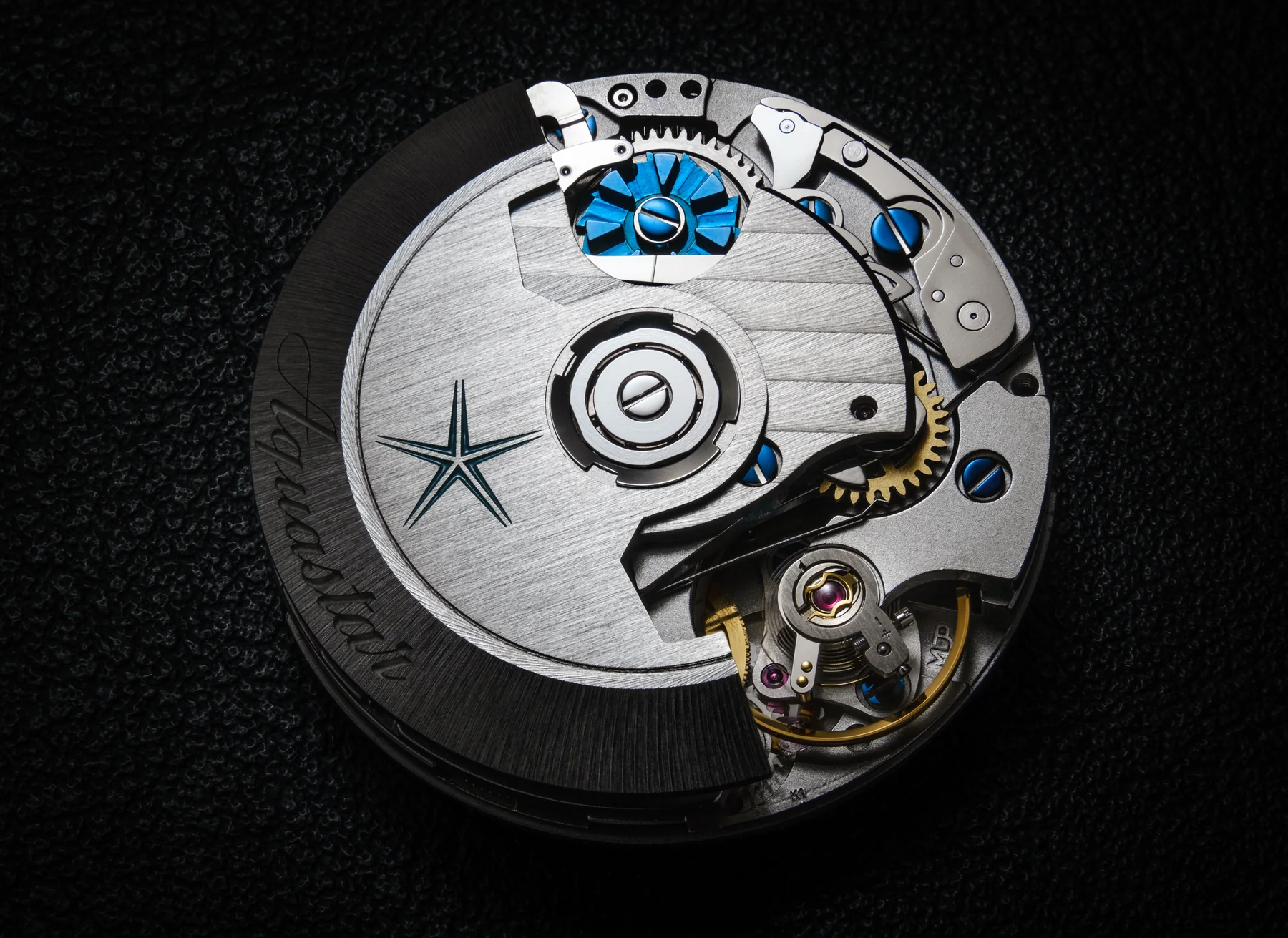
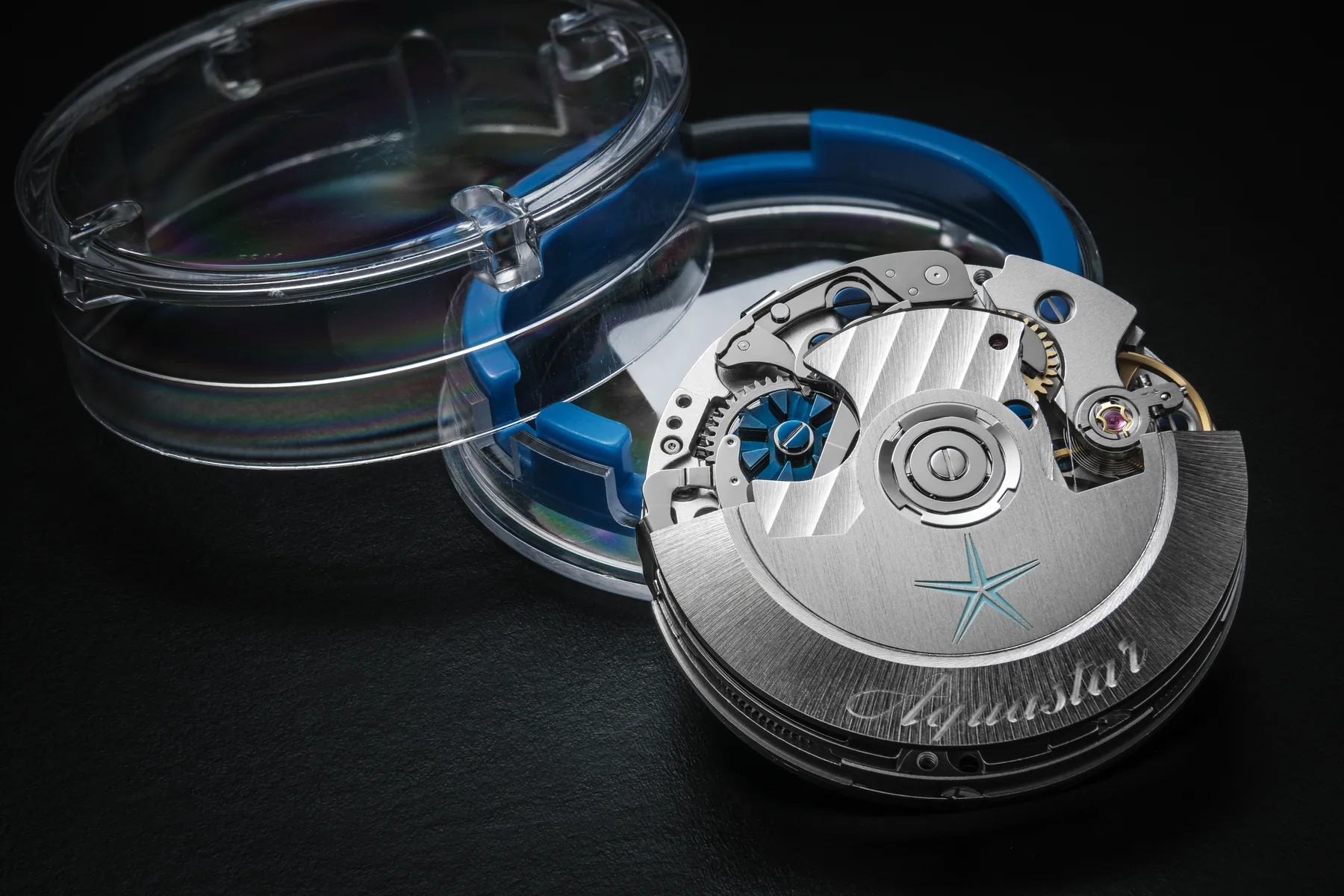
Mechanical automatic movements power the majority of professional dive watches because they eliminate electronic failure points. These self-winding mechanisms use a weighted rotor that spins with wrist motion, transferring energy to the mainspring through a gear train. The absence of batteries removes concerns about power depletion during multi-day dive operations or expeditions where replacement batteries are unavailable.

Open dive watch showing mechanical movement on workbench

The advantages of mechanical automatic movements extend beyond simple battery independence. Pressure changes at depth can affect quartz crystal oscillation frequencies, introducing timing errors that compound over long dives. Mechanical movements maintain consistent amplitude through their escapement mechanisms, delivering reliable accuracy regardless of pressure fluctuations. This consistency makes them the preferred choice for technical divers conducting decompression stops where timing precision directly impacts safety.

Unidirectional bezels represent the single most critical safety feature on any dive watch. Unidirectional bezels prevent accidental forward rotation, guarding against decompression sickness risks caused by extended dive timing. If a bezel rotates forward accidentally, it makes your dive appear shorter than actual elapsed time, potentially causing you to ascend too quickly without proper decompression. The ratcheting mechanism allows only backward rotation, which shortens apparent dive time and errs on the side of safety.

Modern professional dive watches feature 120-click ceramic bezel inserts that provide precise one-minute intervals. Ceramic construction resists scratching and fading better than aluminum inserts, maintaining legibility throughout years of use. The click mechanism must engage positively enough to prevent accidental movement from impacts or caught fabric, yet remain easy enough to adjust with gloved hands in cold water conditions.

Luminous dial performance determines whether you can read your watch in zero-visibility conditions. Super-LumiNova compounds charge from ambient light exposure and emit a sustained glow lasting six to eight hours underwater. Professional models apply thick lume layers to hour markers and hands, creating distinct shapes you can identify by silhouette alone. The minute hand typically receives the brightest application since timing precision matters most during decompression.

Essential dial features for professional use include:

  • High-contrast color schemes separating hands from dial backgrounds
  • Oversized minute markers at 15, 30, 45, and 60-minute positions
  • Differentiated hour and minute hand shapes preventing confusion
  • Date windows positioned away from critical timing indicators

Pro Tip: Test your watch’s lume performance before every dive by charging it under bright light for 30 seconds, then checking visibility in complete darkness. Degraded lume compounds lose charging capacity over time and may need reapplication by a qualified watchmaker to maintain safety standards.

Material requirements for durability

Case construction materials directly impact how well your dive watch withstands corrosion, pressure, and physical impacts over years of saltwater exposure. 316L stainless steel dominates professional dive watch cases because it contains molybdenum additives that dramatically improve resistance to chloride corrosion. This alloy maintains structural integrity through thousands of saltwater immersions without pitting or stress fractures that compromise water resistance.

Sapphire crystal provides scratch resistance far superior to mineral glass or acrylic alternatives. Measuring 9 on the Mohs hardness scale, sapphire resists scratching from sand, rocks, and metal surfaces you encounter during boat diving or wreck penetration. The crystal’s clarity remains consistent under pressure, avoiding the optical distortion that can occur with softer materials when exposed to depth-related stress. Anti-reflective coatings on inner crystal surfaces reduce glare from dive lights and surface reflections.

Ceramic bezel inserts offer longevity advantages over traditional aluminum or painted steel. The material resists fading from UV exposure during surface intervals and maintains legible markings through years of use. Ceramic’s hardness prevents the gradual wear that causes aluminum bezels to develop play in their ratcheting mechanisms, ensuring your bezel maintains positive click engagement throughout the watch’s service life.

The comparison below shows how materials perform across critical durability metrics:

MaterialCorrosion ResistanceScratch ResistancePressure ToleranceWeight
316L Stainless SteelExcellentGoodExcellentMedium
Titanium Grade 5OutstandingVery GoodExcellentLight
CeramicExcellentOutstandingGoodMedium
Sapphire CrystalImmuneOutstandingExcellentLight
BronzePoor (develops patina)FairGoodHeavy

Gasket materials determine long-term water resistance reliability. Fluoroelastomer compounds resist temperature extremes from freezing surface conditions to warm tropical waters, maintaining seal compression across environmental changes. These synthetic rubbers also resist degradation from exposure to sunscreen, insect repellent, and cleaning solvents that commonly contact dive watches. Standard rubber gaskets deteriorate faster, requiring more frequent replacement to maintain rated water resistance.

Bracelet and strap materials require the same corrosion considerations as cases. Stainless steel bracelets need solid end links rather than hollow construction to prevent stress failures at connection points. Dive extension clasps allow bracelet adjustment over wetsuits without removing the watch, maintaining secure wearing during equipment changes. NATO-style nylon straps provide backup security if spring bars fail, since the strap passes under the case rather than connecting solely through lugs.

Understanding professional watch material standards helps you evaluate manufacturer specifications critically. Some brands use marketing terms like “marine-grade steel” without specifying the actual alloy composition, potentially delivering inferior corrosion resistance compared to certified 316L stainless. Always verify material specifications against established standards rather than accepting vague quality claims.

Maintenance and care of dive watches

Servicing at the recommended interval (every 5 to 10 years) forms the foundation of dive watch reliability. Professional watchmakers disassemble movements, clean components ultrasonically, replace lubricants, and verify seal integrity through pressure testing. This comprehensive service catches potential failures before they occur, identifying worn gaskets or degraded lubricants that could allow water ingress during your next dive. High usage of dive watches without proper maintenance increases the risk of seal breaches and water damage.

Mechanical movements avoid the battery replacement cycle that creates vulnerability windows in quartz watches. Every time a battery compartment opens, gaskets compress and decompress, gradually losing their sealing effectiveness. Dive watch maintenance tips emphasize that automatic movements eliminate this repeated seal disturbance, maintaining consistent water resistance between service intervals. You never face the risk of diving with a dead battery or freshly replaced cell that wasn’t properly sealed.

Follow this maintenance schedule to maximize dive watch longevity:

  1. Rinse with fresh water after every saltwater dive to remove chloride deposits
  2. Check bezel action monthly for smooth rotation without excessive play
  3. Test crown operation quarterly to ensure screw threads engage cleanly
  4. Schedule pressure testing and gasket inspection at the recommended service interval (every 5 to 10 years) with certified watchmakers
  5. Complete full movement service every five years including cleaning and lubrication
  6. Replace gaskets proactively at three-year intervals regardless of test results

Pressure testing between service intervals provides early warning of seal degradation. Many dive shops offer quick pressure tests using dry air rather than water immersion, protecting your movement while verifying water resistance ratings. These tests take minutes and cost substantially less than repairing water damage from a compromised gasket you didn’t know had failed.

Pro Tip: Never operate your crown or bezel while underwater, even if manufacturer specifications claim water resistance during adjustment. Every crown pull or bezel rotation creates temporary seal gaps that can allow water ingress under pressure, regardless of stated ratings. Make all timing adjustments on the surface with dry hands.

Storage practices between diving seasons affect movement health significantly. Automatic watches benefit from regular wear or winder use that keeps lubricants distributed evenly across gear trains. Extended storage allows oils to settle and thicken, increasing friction when you restart the movement. If storing your watch for more than two weeks, consider a quality watch winder set to rotate through daily cycles matching your typical wearing pattern.

Safe usage and common mistakes to avoid

Accidental bezel rotation represents the most dangerous operational error divers make with their watches. Accidental forward bezel rotation can cause dangerous decompression sickness by miscalculating dive time, extending your perceived bottom time beyond safe decompression limits. Always verify your bezel locked in position before descending, and develop the habit of checking alignment at regular intervals during your dive. A quick glance confirms the marker remains aligned with your minute hand position.

Critical pre-dive verification steps include:

  • Confirm ISO 6425 certification marking on dial before using watch for dive timing
  • Test lume brightness in darkness to ensure adequate charging and visibility
  • Verify bezel clicks positively through full rotation without binding or skipping
  • Check crown screws down completely with no gaps between threads
  • Inspect crystal and case for cracks or damage that could compromise seals

Many divers mistakenly trust water resistance ratings without understanding depth safety margins. A 200m rated watch reaches its tested limit at 200m, leaving no buffer for dynamic pressure spikes from swimming motions or temperature changes. Professional use demands ratings substantially exceeding your maximum planned depth, typically 300m minimum for dives to 40m working depth. This margin accommodates the pressure multiplication that occurs from arm movements and equipment impacts during actual diving.

Ignoring manufacturer service intervals creates cascading failure risks. Gaskets compress permanently over time, losing their ability to seal effectively even when not visibly damaged. Lubricants break down from thermal cycling and oxidation, increasing friction that accelerates gear wear and timing drift. The money saved by skipping recommended service (every 5 to 10 years) disappears instantly when water damage requires complete movement replacement instead of simple preventive maintenance.

“The most reliable dive watch is worthless if you don’t verify its condition before trusting your safety to it. Pre-dive checks take 60 seconds but prevent catastrophic failures that could end your dive or worse.”

Another common mistake involves mixing watch brands with incompatible service parts. Using generic gaskets or crystals rather than manufacturer-specified components compromises water resistance certifications. Third-party parts may fit physically but lack the material specifications or dimensional tolerances that maintain rated performance. Always insist on original equipment manufacturer parts during service to preserve your watch’s certification status and reliability.

Divers sometimes assume helium escape valves are necessary for all professional diving. These valves serve specific purposes for saturation diving where helium accumulates inside the case during extended chamber time. Recreational and commercial air diving doesn’t require escape valves, and the additional case penetration creates another potential water ingress point. Evaluate whether your diving profile actually needs this feature before selecting watches based on specifications you won’t use.

Expected results and performance benchmarks

A properly selected and maintained professional dive watch delivers consistent performance across multiple metrics. Timing accuracy should remain within COSC chronometer standards of negative four to positive six seconds per day, even after exposure to diving conditions. This precision ensures your decompression calculations remain accurate throughout multi-dive days when you rely on elapsed timing for surface intervals and repetitive dive planning.

Water resistance performance must maintain rated depth capabilities through years of use when properly serviced. You should never experience fog, condensation, or water droplets inside your crystal during or after dives at depths well below your watch’s rating. Any moisture appearance indicates immediate seal failure requiring professional service before further use. Modern synthetic gaskets maintain compression through thousands of pressure cycles when installed correctly.

Luminous visibility creates quantifiable performance expectations. Super-LumiNova applications should provide clearly legible hour, minute, and bezel markings for minimum six hours after charging. You should distinguish hand positions instantly in complete darkness without requiring secondary light sources. Degraded lume that requires frequent recharging or provides less than four hours visibility needs professional reapplication to maintain safety standards.

The performance benchmarks table below shows what properly maintained professional dive watches achieve:

MetricExpected PerformanceTesting MethodService Interval
Timing Accuracy+/- 6 seconds/day7-day position testVerify every 5 to 10 years
Water Resistance100% at rated depthDry pressure testTest every 5 to 10 years
Bezel Function120 clicks, no playManual rotation testCheck monthly
Lume Duration6-8 hours visibleDark room observationMonitor continuously
Power Reserve38-42 hours minimumTiming after full windVerify at service

Reliability improvements from proper maintenance are substantial. Servicing at the recommended interval, rather than waiting for problems to appear, catches wear early. This proactive approach catches gasket degradation, lubricant breakdown, and gear wear before they cause water ingress or movement failure. The cost of regular service represents a fraction of movement replacement expenses from preventable water damage.

Mechanical movements deliver additional benefits beyond simple timekeeping. The absence of electronics eliminates magnetic field sensitivity that can affect quartz accuracy near electrical equipment, metal detectors, or MRI machines. You never face battery depletion during critical dives or extended expeditions where replacement cells are unavailable. The movement continues running reliably as long as you wear the watch regularly or use a quality winder during storage periods.

Longevity expectations for professional dive watches span decades when properly maintained. Cases, crystals, and movements built to ISO 6425 standards regularly provide 20-30 years of reliable service with appropriate care. This durability makes quality dive watches genuine investments rather than consumable equipment, delivering consistent performance long after initial purchase costs are forgotten. Your watch becomes a trusted tool you depend on through thousands of dives across your career.

Explore professional dive watches designed for safety and performance

Now that you understand what separates professional dive watches from recreational timepieces, you can confidently evaluate models built to meet these rigorous standards. Aquastar specializes in professional dive watches that embody the ISO 6425 certification and 300m+ water resistance requirements covered throughout this checklist. Our heritage as the only Swiss watchmaker founded exclusively for dive watch manufacturing ensures every model prioritizes underwater reliability over fashion trends.

https://aquastar.ch

Our detailed guides help you understand the must-have diver watch features that ensure professional reliability, explaining how mechanical movements, unidirectional bezels, and material choices work together for your safety. If you’re deciding between movement types, our comparison of automatic vs manual dive watches clarifies the practical advantages of self-winding mechanisms for extended dive operations. When you’re ready to compare specific manufacturers, our best dive watch brands comparison evaluates how different makers approach professional diving requirements.

Aquastar continues our tradition of innovation that began with the first analog dive computer and the original Skindiver case. Today’s Aquastar models serve commercial and recreational divers who need reliable mechanical backups for their dive computers, built to the same exacting standards that made us pioneers in professional dive watch development.

Frequently asked questions

What is the minimum water resistance required for a professional diver watch?

ISO 6425 certification mandates minimum 200m water resistance, but this represents the absolute baseline for professional use. Most dive professionals should target 300m or higher ratings to provide safety margins beyond typical working depths. Dynamic pressure spikes from swimming motions, temperature changes, and repeated dive cycles all stress seals beyond static pressure ratings, making higher specifications essential for reliability. The additional pressure tolerance also accommodates watch aging and gasket compression that gradually reduces effective water resistance between service intervals.

Why is mechanical automatic movement preferred over quartz in dive watches?

Mechanical automatic movements eliminate battery failure risks that can compromise your backup timing instrument during critical dives. Self-winding mechanisms harness wrist motion to maintain power reserves without electronic components vulnerable to pressure changes or moisture exposure. Quartz crystals can experience frequency shifts under extreme pressure that affect timing accuracy, while mechanical escapements maintain consistent performance regardless of depth. The absence of battery replacement cycles also preserves water resistance by avoiding repeated seal disturbances that occur every time case backs open for cell changes.

How often should a professional dive watch be serviced?

Servicing every 5 to 10 years is sufficient for dive watches, even in active professional use. Regular maintenance includes pressure testing, gasket inspection and replacement, lubricant renewal, and timing regulation to catch potential failures before they occur. Servicing at the recommended interval, rather than waiting for problems to appear, helps keep a watch reliable. Between service intervals, rinse your watch with fresh water after every saltwater dive and monitor bezel function monthly to identify developing issues early.

Can I adjust my dive watch bezel or crown underwater?

Never operate your crown or bezel while submerged, regardless of manufacturer water resistance claims. Every adjustment creates temporary seal gaps that allow water ingress under pressure, even on watches rated for extreme depths. Make all timing adjustments on the surface with dry hands before descending. The unidirectional bezel design allows backward rotation if you must adjust during a dive, but this should remain an emergency procedure rather than standard practice. Develop surface habits of setting your bezel accurately before entry to avoid needing underwater adjustments that risk your watch and your safety.

Posted on

What is a helium release valve? Essential dive watch guide

What is a helium release valve? Essential dive watch guide - what is a helium release valve

What Is A Helium Release Valve: at a glance

What is a helium release valve? How it prevents crystal blowout after saturation dives, when divers actually need it and what trade-offs come with it. Use this guide on what is a helium release valve to weigh design choices, engineering trade-offs and how the category translates to real Aquastar dive watches.

TopicWhat is a helium release valve
Read time5-8 min
SourceAquastar editorial

What is a helium release valve? Essential dive watch guide - what is a helium release valve

Most watch collectors believe helium release valves make watches more water resistant. That’s completely wrong. These specialized mechanisms serve one critical purpose: preventing your watch from exploding during decompression after deep saturation dives. Understanding how helium release valves work, when you actually need them, and what happens without them can save you thousands in repairs and help you choose the right professional dive watch for your needs.

Table of Contents

Key takeaways

PointDetails
PurposeHelium release valves equalize internal watch pressure during decompression to prevent crystal popping and seal damage.
ApplicationEssential only for professional saturation divers using helium-rich gas mixes at depths exceeding 150 meters.
OperationValves open automatically or manually at 3-5 psi pressure differential, releasing trapped helium gas safely.
MisconceptionHRVs do not increase water resistance; they only manage internal gas pressure during decompression phases.
Cost tradeoffAdding HRVs increases watch complexity and cost by 10-15% while improving durability for saturation diving.

Introduction to helium release valves in dive watches

A helium release valve is a specialized pressure relief mechanism built into professional dive watches. These valves emerged in the 1960s specifically to protect timepieces worn by saturation divers working in helium-rich environments at extreme depths. The technical role is straightforward: during decompression phases, HRVs allow helium gas molecules trapped inside the watch case to escape safely before internal pressure exceeds structural limits.

Saturation diving involves prolonged exposure to pressurized helium environments, unlike recreational diving where divers spend brief periods underwater. Professional divers working on offshore oil platforms or conducting deep-sea research often live in pressurized chambers for weeks, breathing gas mixtures containing significant helium concentrations. Without proper pressure management, watches worn in these conditions face catastrophic failure.

The helium release valve solves this problem elegantly. When internal pressure builds to dangerous levels, the valve opens, releasing gas and preventing damage to seals, crystals, and cases. This feature represents a critical advancement in dive watch technology, separating true military diver watch guide specifications from recreational models.

Key characteristics of helium release valves include:

  • Pressure-activated mechanisms that respond to internal gas buildup
  • Designed specifically for saturation diving environments with helium-rich gas mixes
  • Available in both automatic and manual operation modes
  • Essential for maintaining watch integrity during extended deep-sea operations
  • Not required for standard recreational diving activities

Understanding helium gas and its impact on dive watches

Helium possesses uniquely small molecular structures that create specific challenges for dive watches. During saturation dives, these tiny molecules penetrate watch seals and gaskets that normally block larger gas molecules like oxygen and nitrogen. Over hours or days of exposure at high pressure, helium molecules penetrate seals during saturation dives, gradually accumulating inside the watch case.

The real problem emerges during decompression. As external pressure decreases, the helium trapped inside your watch attempts to escape. However, gaskets and seals that allowed slow helium entry under pressure now act as barriers during rapid decompression. The result is a dangerous pressure differential: internal pressure rises significantly above external pressure.

Dive watch crystal showing pressure effects

This pressure imbalance can reach critical levels quickly. Imagine compressing a balloon inside a pressurized chamber, then suddenly releasing the external pressure. The balloon expands violently. Inside your watch, trapped helium creates similar forces, pushing against the crystal, case back, and seals with potentially destructive force.

When internal pressure exceeds structural limits, several failures occur:

  • Watch crystals pop off completely, exposing movement to water damage
  • Case back seals rupture, compromising water resistance permanently
  • Gaskets compress and deform, creating long-term reliability issues
  • Movement components may shift or sustain shock damage

The Aquastar Benthos Heritage II addresses these risks with precision-engineered helium release systems. Understanding helium behavior explains why professional saturation divers cannot rely on standard dive watches, regardless of their depth rating or build quality.

How helium release valves work mechanically

Helium release valves operate on a simple pressure differential principle. Most HRVs open when internal pressure reaches 3 to 5 psi above external pressure. This threshold provides adequate safety margin while preventing unnecessary valve activation during normal pressure fluctuations.

Infographic on helium release valve mechanics

Two primary valve types exist: manual and automatic. Manual valves require diver activation, typically by unscrewing a crown-like mechanism before decompression begins. Automatic valves feature spring-loaded designs that open independently when pressure thresholds are exceeded, requiring no user intervention.

The operational sequence follows this pattern:

  1. During descent and bottom time, helium gradually enters the watch case through microscopic seal gaps
  2. Internal pressure equalizes with external pressure, causing no immediate issues
  3. Decompression begins, reducing external pressure while internal helium remains trapped
  4. Pressure differential increases until reaching the valve’s activation threshold
  5. Valve opens, releasing helium gas until internal and external pressures equalize
  6. Valve closes automatically once pressure balance is restored

Pro Tip: If you own a watch with a manual helium release valve, set a decompression reminder to open the valve before ascending. Forgetting this step defeats the entire purpose of having the feature.

Valve TypeActivation MethodPressure ThresholdMaintenance Needs
AutomaticSpring mechanism3-5 psi differentialAnnual inspection
ManualUser-operated crown3-5 psi differentialPre-dive checks required
HybridAutomatic with manual override3-5 psi differentialQuarterly servicing

The valve mechanism itself consists of a one-way relief system. Gas flows outward only, maintaining water resistance while preventing external water entry. This design allows the watch to function normally at depth while providing critical pressure relief when needed. Understanding these mechanics helps you appreciate why automatic vs manual dive watches with HRVs command premium prices in the professional diving market.

When are helium release valves necessary?

Helium release valves serve a specific, narrow purpose that most divers will never encounter. Professional saturation divers working at depths exceeding 150 meters with helium-rich breathing gases require HRVs. These divers spend extended periods in pressurized environments where helium concentrations allow the gas to infiltrate watch cases over time.

Recreational divers operating at typical depths under 40 meters face no helium exposure risk. Standard air or nitrox mixtures contain no helium, eliminating the gas infiltration problem entirely. Even technical divers using trimix for deeper recreational dives rarely encounter conditions requiring HRVs, since exposure duration remains too brief for significant helium accumulation.

The critical factors determining HRV necessity include:

  • Diving depth consistently exceeding 150 meters
  • Use of heliox or trimix breathing gases with substantial helium concentrations
  • Prolonged exposure periods typical of saturation diving operations
  • Living in pressurized habitats or decompression chambers between dives
  • Commercial diving work involving extended underwater construction or maintenance

If your diving activities don’t involve these specific conditions, an HRV adds complexity and cost without providing functional benefit. However, if you’re considering professional diving careers or already work in commercial diving, an HRV becomes a must-have diver watch features rather than optional equipment.

Many collectors purchase watches with HRVs for aesthetic reasons or brand heritage appreciation. That’s perfectly valid. Just understand you’re paying for a feature your recreational diving will never utilize. The valve won’t harm your watch or reduce reliability; it simply remains dormant unless you encounter the specific saturation diving conditions it was designed to handle.

Common misconceptions about helium release valves

The biggest myth about helium release valves claims they enhance water resistance. This is completely false. Water resistance depends entirely on case construction, seal quality, and gasket integrity. HRVs do not increase water resistance; they manage internal gas pressure, which is a completely separate function from keeping water out.

Another widespread misconception suggests every serious dive watch needs an HRV. Marketing departments love promoting this idea, but it’s misleading. Unless you’re a professional saturation diver, an HRV provides zero functional advantage. Recreational divers waste money buying features they’ll never use.

Many people assume all HRVs operate automatically. That’s incorrect. Manual valves require user activation before decompression begins. Forgetting to open a manual valve leaves your watch vulnerable to the exact pressure damage the valve was designed to prevent. Always verify whether your watch features automatic or manual operation.

The confusion between water resistance and pressure management causes expensive mistakes. A watch rated to 300 meters without an HRV will outperform a 200-meter watch with an HRV for recreational diving. Depth rating matters far more than HRV presence for typical diving activities.

Key myths to avoid:

  • HRVs do not make watches more waterproof or increase depth ratings
  • Not all dive watches require helium release valves for proper function
  • Manual HRVs need user action; they don’t operate automatically
  • HRV presence doesn’t indicate superior quality compared to non-HRV professional dive watches
  • Standard recreational diving never requires HRV functionality

Understanding these distinctions prevents overspending on features that don’t match your actual diving needs. Focus on proven helium escape valve facts vs fiction rather than marketing hype when evaluating dive watch specifications.

Historical context and innovation in helium release valves

The 1960s marked a revolutionary period for dive watch technology. As commercial diving expanded into deeper waters requiring helium-based breathing gases, watchmakers confronted a new challenge: protecting timepieces from internal pressure damage during decompression. Swiss and European manufacturers filed patents for helium release valve systems, recognizing the growing saturation diving industry’s needs.

Aquastar played a pioneering role in this evolution. As the only Swiss watchmaker born exclusively to manufacture dive watches, Aquastar’s focus on professional diving applications drove innovation in pressure management systems. The company’s patent filings from the 1960s established foundational principles that modern HRV designs still follow today.

Early HRV implementations featured simple manual operation. Divers unscrewed a specialized crown before decompression, allowing trapped gas to escape through a controlled channel. These designs proved effective but required diver vigilance and proper training to operate correctly.

The development of automatic HRVs represented the next major advancement. Spring-loaded mechanisms eliminated human error by responding directly to pressure differentials. This innovation made professional dive watches more reliable for commercial operations where divers faced numerous decompression cycles.

Key historical milestones include:

  • First HRV patents filed in the early 1960s by Swiss watchmakers
  • Aquastar’s introduction of professional saturation diving watches with integrated pressure relief
  • Development of the Aquastar model 60, featuring advanced case design for extreme depth operations
  • Transition from manual to automatic HRV systems throughout the 1970s
  • Modern refinements improving reliability and reducing maintenance requirements

This historical foundation explains why certain brands command premium prices among collectors. Early HRV-equipped watches represent significant technological achievements that enabled safer deep-sea exploration and commercial diving operations. Understanding this heritage adds depth to watch collecting beyond simple aesthetic appreciation.

Tradeoffs and design considerations for helium release valves

Incorporating helium release valves into dive watch designs introduces several practical considerations. Manufacturing complexity increases significantly, requiring additional machining operations, specialized seals, and quality control testing. This complexity typically adds 10 to 15 percent to the watch’s production cost, which manufacturers pass to consumers through higher retail prices.

Maintenance requirements also escalate with HRV inclusion. Manual valves need regular inspection to ensure proper operation when needed. Seals and gaskets around the valve mechanism require periodic replacement, adding to long-term ownership costs. Professional servicing intervals may shorten compared to non-HRV dive watches.

Despite these costs, HRVs provide crucial benefits for their intended users. Professional saturation divers gain significantly improved watch durability and reliability in helium-rich environments. The valve prevents catastrophic failures that would otherwise destroy expensive timepieces, potentially paying for itself after preventing a single crystal pop or seal rupture.

Design tradeoffs buyers should consider:

  • Initial purchase price increases by 10 to 15 percent for HRV-equipped models
  • Annual maintenance costs rise due to additional valve components requiring service
  • Manual valves demand operational knowledge and pre-dive preparation
  • Automatic valves reduce user error but may cost more to repair if damaged
  • Overall watch reliability improves dramatically for saturation diving applications

Pro Tip: Before paying extra for an HRV, honestly assess your diving profile. If you’re not planning professional saturation diving work, invest those extra dollars in better movement quality or case construction instead.

The decision to choose an HRV-equipped watch depends entirely on matching features to actual diving needs. Recreational divers gain no functional advantage from HRVs, making the additional cost and maintenance burden unjustified. However, professional divers working in saturation environments find HRVs essential, making the tradeoffs worthwhile. Understanding your specific requirements helps balance these considerations effectively. Compare automatic vs manual dive watches to determine which valve type suits your diving style if you do require this feature.

Consequences of not having a helium release valve

Watches without helium release valves face severe risks during saturation diving operations. Trapped helium creates internal pressure that can exceed 10 psi above external pressure during rapid decompression. This force is sufficient to pop crystals completely off the case, expose movements to water intrusion, and destroy water resistance permanently.

Crystal popping represents the most common failure mode. The watch crystal acts as the weakest structural point under internal pressure. When trapped helium expands, the crystal detaches from the case, usually shattering in the process. This failure floods the movement immediately, causing total loss in most cases.

Seal damage occurs even when crystals remain attached. Gaskets compress and deform under internal pressure, creating permanent gaps that compromise water resistance. After returning to normal atmospheric pressure, these watches may appear functional but fail catastrophic water resistance testing.

Repair statistics reveal the financial impact. Watches without HRVs used in saturation diving show approximately 30 percent higher repair incident rates compared to properly equipped models. Repair costs for crystal replacement, seal restoration, and movement servicing typically exceed $800 to $1,500 per incident.

FeatureWith HRVWithout HRV
Crystal Failure RiskLess than 2%25-30%
Seal Damage RateMinimal30-40%
Average Repair Cost$200-400$800-1,500
Useful Life in Saturation Diving10+ years6-18 months

Long-term durability suffers dramatically without proper pressure management. Even if a watch survives initial saturation exposures, repeated pressure cycles gradually weaken seals and case structures. What begins as minor gasket compression evolves into chronic water resistance problems requiring frequent servicing.

Professional divers relying on watches as backup timing devices cannot afford these failures. The must-have diver watch features for saturation work always include HRVs, not as optional equipment but as essential safety components. Understanding how to identify genuine dive watches designed for professional use versus recreational marketing claims prevents costly mistakes.

Collectors should also consider these factors when building collections. Vintage dive watches lacking HRVs may show hidden damage from previous saturation use, even if currently functioning. Proper inspection and how to collect dive watches guide knowledge helps avoid acquiring compromised pieces. Learning dive watch cases explained guide principles reveals how case construction interacts with HRV effectiveness, further informing purchasing decisions.

Discover Aquastar’s expert dive watches with helium release valves

Aquastar continues its legacy of producing professional dive watches engineered for extreme conditions. Our current collection features models equipped with both automatic and manual helium release valves, designed specifically for commercial and saturation divers who demand reliability at depth. Each watch incorporates decades of innovation stemming from our pioneering 1960s patents that established industry standards.

https://aquastar.ch

Whether you’re a professional saturation diver requiring proven HRV technology or a collector appreciating authentic tool watch heritage, Aquastar offers timepieces built to perform. Explore our comprehensive guides covering must-have diver watch features and compare automatic vs manual dive watches to identify the perfect match for your needs. Our tool watches explained guide provides additional context on what separates genuine professional instruments from recreational alternatives. Discover how Aquastar’s commitment to dive watch excellence ensures your timepiece performs flawlessly when conditions matter most.

Frequently asked questions about helium release valves

Do I need a helium release valve for recreational diving?

No. Recreational divers using standard air or nitrox at depths under 40 meters never encounter helium gas exposure. HRVs only benefit professional saturation divers working in helium-rich environments at extreme depths exceeding 150 meters.

What’s the difference between automatic and manual helium release valves?

Automatic HRVs open independently when internal pressure reaches 3 to 5 psi above external pressure, requiring no user action. Manual valves need divers to unscrew a crown mechanism before decompression begins. Automatic systems prevent user error but typically cost more to manufacture and service.

Can a helium release valve fail or malfunction?

Yes. Valves can become clogged with debris, seals can degrade over time, and springs in automatic mechanisms can weaken. Regular maintenance and annual inspections prevent most failures. Manual valves face additional risk if divers forget to activate them before decompression.

How do I maintain a watch with a helium release valve?

Schedule annual inspections with qualified watchmakers familiar with HRV systems. Manual valves require pre-dive operational checks to ensure proper function. Avoid exposing the valve to chemicals, solvents, or impact that might damage seals. Replace gaskets according to manufacturer schedules, typically every two to three years.

Does having an HRV affect my watch’s water resistance rating?

No. The HRV is a separate system from water resistance. Depth ratings depend on case construction, seal quality, and gasket integrity. A properly designed HRV maintains water resistance while providing pressure relief. Poor HRV design or maintenance can compromise water resistance, but the feature itself doesn’t inherently reduce depth capability.

Will my watch crystal pop off without an HRV during normal diving?

Not during recreational diving with standard air or nitrox. Crystal popping only occurs when helium gas trapped inside the case expands during decompression. This situation arises exclusively in saturation diving operations using helium-rich breathing gases. Recreational dive profiles pose zero risk of helium-related pressure damage.

Posted on

Waterproof vs water resistant dive watches: 2026 guide

Waterproof vs water resistant dive watches: 2026 guide - waterproof vs water resistant

Waterproof Vs Water Resistant: at a glance

Waterproof vs water resistant dive watches in 2026: ATM ratings, ISO testing, design factors and the maintenance that keeps depth resistance honest. Use this guide on waterproof vs water resistant to weigh design choices, engineering trade-offs and how the category translates to real Aquastar dive watches.

TopicWaterproof vs water resistant
Read time5-8 min
SourceAquastar editorial

Waterproof vs water resistant dive watches: 2026 guide - waterproof vs water resistant

Despite marketing claims, no mechanical dive watch is truly waterproof under all conditions. The distinction between waterproof and water resistant matters far more than most divers realize. Understanding water resistance ratings and their limitations helps you choose the right timepiece, avoid costly damage, and maintain your watch’s protective capabilities for years of reliable underwater use.

Table of Contents

Key takeaways

PointDetails
Terminology clarityWaterproof implies absolute impermeability, which no mechanical watch guarantees; water resistant indicates tested tolerance to specific pressures.
Testing limitationsRatings reflect static lab conditions, not dynamic underwater pressures during actual dives.
Design featuresScrew-down crowns, sealed case backs, and quality gaskets determine real-world water resistance performance.
Environmental impactTemperature changes, movement, and seal aging reduce water resistance over time.
Maintenance necessityProfessional servicing every 3-5 years and pressure testing preserve protective capabilities.

Introduction: defining waterproof and water resistant in dive watches

The terms waterproof and water resistant carry distinct technical meanings that directly impact how you should use your dive watch. Waterproof suggests complete impermeability to water under any circumstance, an impossible standard for mechanical watches with moving parts and necessary openings. This absolute claim cannot be guaranteed under all conditions and over extended periods.

Water resistant describes a watch’s tested tolerance to water ingress up to a specific pressure rating, measured in meters or atmospheres (ATM). This rating reflects laboratory conditions, not guarantees for every real-world scenario. Mechanical dive watches incorporate specialized features like reinforced cases, sealed crowns, and protective gaskets to achieve their water resistance specifications.

Regulatory agencies now restrict or ban waterproof as a marketing term because it misleads consumers about actual capabilities. Watch manufacturers must instead specify precise water resistance ratings, acknowledging that these ratings have limits and require ongoing maintenance.

Key distinctions include:

  • Waterproof implies permanence; water resistant acknowledges testing boundaries
  • Water resistance degrades over time without proper seal maintenance
  • Mechanical dive watches need periodic servicing to maintain protective ratings
  • Static pressure tests don’t replicate dynamic underwater movement conditions
  • Professional dive watches feature construction elements absent in casual water resistant models

Understanding these differences helps you select appropriate watches for your diving depth, recognize when maintenance becomes necessary, and avoid misuse that could compromise your timepiece’s integrity.

Understanding water resistance ratings: ATM, meters, and testing methodologies

Water resistance ratings appear in two common formats: meters (M) and atmospheres (ATM), where 1 ATM roughly equals 10 meters of water pressure. However, ratings represent static pressure tests, not actual safe diving depths during active use.

Manufacturers test watches using controlled air pressure in laboratory environments. A 100M rating means the watch withstood static pressure equivalent to 100 meters of water depth while stationary. This methodology creates a critical gap between lab results and real diving conditions.

During actual dives, several factors create pressures exceeding static ratings:

  • Arm movements while swimming generate dynamic pressure spikes
  • Water entry like jumping or diving creates sudden pressure increases
  • Temperature fluctuations affect seal integrity and material expansion
  • Extended submersion time stresses gaskets differently than brief tests

The static air pressure testing method explains why watches sometimes fail at depths well below their stated ratings. A 50M rated watch might resist brief splashes but fail during swimming, where movement creates pressures beyond what static tests measure.

Professional divers should interpret ratings conservatively. A watch rated for 100M suits snorkeling and surface water sports, but serious diving requires 200M or higher ratings. The extra capacity provides safety margins for dynamic pressures and accounts for seal degradation between servicing intervals.

Pro Tip: Consider your watch’s rating as a maximum threshold under perfect conditions, not a safe operating limit. Choose watches rated at least twice your typical diving depth for adequate protection margins.

This conservative approach compensates for testing methodology limitations and real-world variables that static lab conditions cannot replicate. Understanding how manufacturers derive ratings helps you make informed choices aligned with your actual underwater activities.

Design features and mechanisms that enhance water resistance in dive watches

Mechanical dive watches achieve water resistance through carefully engineered sealing systems and construction methods. The primary defense against water ingress involves rubber or synthetic gaskets positioned at critical junctures: the case back, crown, and crystal edges. These gaskets compress under assembly to create watertight barriers.

Hands inspecting dive watch crown and gaskets

Screw-down crowns represent perhaps the most important water resistance feature. Unlike push-pull crowns on casual watches, screw-down designs compress gaskets when tightened, creating secure seals that withstand significant pressure. The crown threads into the case tube, forcing the gasket against the case opening to prevent water entry.

Additional design elements include:

  • Case back seals using thick gaskets compressed by screw-down backs
  • Crystal gaskets sitting between the glass and case, held by bezels or retaining rings
  • Multiple gasket layers at the crown for redundant protection
  • One-piece case construction minimizing potential leak points
  • Helium escape valves in saturation diving watches to release trapped gases

Material selection matters significantly. Professional dive watches use marine-grade stainless steel or titanium cases that resist corrosion and maintain structural integrity under pressure. Crystal materials like sapphire provide hardness and clarity while maintaining seals.

The difference between casual water resistant watches and professional diver models lies in these construction details. Professional models feature thicker gaskets, more robust screw threads, and higher-quality sealing compounds that maintain effectiveness across temperature ranges.

Pro Tip: Before any water exposure, verify your crown is fully screwed down by checking for gaps between the crown and case. An incompletely sealed crown is the most common cause of water damage in otherwise water resistant watches.

Regular inspection of crown threads and visible gaskets helps you catch wear before it compromises water resistance. Dirt, salt deposits, or damaged threads signal the need for professional cleaning and seal replacement.

Environmental and usage factors impacting water resistance durability

Laboratory ratings cannot account for the harsh realities watches face during actual diving. Temperature fluctuations create expansion and contraction in metal cases and rubber gaskets, potentially opening microscopic gaps that allow water ingress.

Heat exposure causes gasket materials to harden and lose elasticity over time. A watch exposed to hot tubs, saunas, or direct sunlight experiences accelerated seal degradation. Conversely, cold water causes materials to contract, potentially creating gaps between gaskets and case components.

Active underwater movement generates dynamic pressures that exceed static test conditions. Swimming strokes create pressure waves, diving entries produce sudden spikes, and rapid depth changes stress seals in ways laboratory tests never replicate.

Time itself degrades water resistance:

  • Gasket materials dry out and crack with age
  • Salt water exposure corrodes metal components and degrades seals
  • UV light breaks down rubber compounds in gaskets
  • Lubricants inside the crown tube dry up, allowing water pathways
  • Micro-scratches in crystal gasket surfaces create leak points

A watch rated 200M when new might drop to 100M or less after several years without servicing. This degradation happens gradually and invisibly, making regular pressure testing essential for divers who depend on their watches.

Infographic comparing waterproof and water resistant

Using watches beyond their specified ratings accelerates wear. A 50M watch worn while showering faces pressures and temperatures it was never designed to withstand repeatedly. Extended submersion times also stress seals more than the brief test exposures manufacturers use.

Environmental factors explain why two identical watches can perform differently. One stored in climate-controlled conditions and rinsed after salt water use will maintain water resistance far longer than one left in hot cars or exposed to chemicals.

Maintaining your dive watch’s water resistance over time

Preserving your dive watch’s protective capabilities requires proactive maintenance on a regular schedule. Professional servicing every 3-5 years ensures seals and gaskets maintain their effectiveness before age-related failures occur.

Pressure testing after each servicing verifies that technicians properly installed new seals and that the watch meets its rated specifications. Many dive shops and watch service centers offer pressure testing as a standalone service, allowing you to verify water resistance between full overhauls.

Avoid attempting DIY seal replacements unless you have proper tools and training. Incorrectly installed gaskets create dangerous false confidence. Professional watchmakers use specialized lubricants, sizing tools, and testing equipment that ensure proper seal function.

A comprehensive maintenance routine includes these steps:

  1. Visual inspection of crown threads and gasket surfaces for damage or debris
  2. Professional pressure testing annually for watches used regularly underwater
  3. Seal and gasket replacement during movement servicing every 3-5 years
  4. Complete disassembly, cleaning, and reassembly by certified technicians
  5. Post-service pressure testing to verify water resistance restoration

Between professional services, take these protective measures:

  • Rinse watches with fresh water after salt water or chlorine exposure
  • Avoid operating the crown or chronograph pushers while underwater
  • Store watches away from extreme temperatures and direct sunlight
  • Never expose watches to hot water, which rapidly degrades seals
  • Have watches pressure tested before important dive trips

Pro Tip: Keep service records showing pressure test results over time. Declining test results indicate developing seal problems before complete failure occurs, allowing preventive action.

For collectors of vintage dive watches, understanding proper identification and care becomes especially important. Older watches may have dried gaskets or non-original parts that compromise water resistance. Regular maintenance documented in your collection management practices protects both watch functionality and investment value.

Common misconceptions and marketing myths about waterproof and water resistant watches

The watch industry’s historical use of waterproof created lasting confusion that persists despite regulatory bans on the term. Many consumers still believe waterproof watches need no maintenance or can withstand any aquatic activity indefinitely.

Regulators recognized that waterproof misleads consumers by suggesting permanent, absolute protection. Modern standards require specific ratings that acknowledge testing conditions and limitations. Despite these regulations, some manufacturers use creative language to imply waterproof capabilities without using the banned term directly.

Common misinterpretations include:

  • Assuming a 200M rating means safe diving to 200 meters depth
  • Believing water resistance is permanent and requires no maintenance
  • Thinking higher ratings automatically mean better overall watch quality
  • Expecting splash resistance ratings to protect during swimming or diving
  • Trusting that new watches maintain their ratings indefinitely without servicing

Marketing often emphasizes impressive-sounding ratings without explaining the gap between static testing and dynamic use. A watch marketed for 300M might seem excessive for recreational divers, but that rating provides necessary safety margins for active underwater movement.

The misconception that water resistance requires no maintenance causes significant watch damage. Owners wear watches underwater for years without servicing, unaware their dried gaskets no longer provide protection. The damage often appears suddenly when seals finally fail completely, but degradation began years earlier.

Some buyers prioritize water resistance ratings over features actually important for their needs. A 500M rated watch offers no practical advantage over a 200M model for recreational diving, but costs significantly more due to the robust construction required.

Understanding these marketing realities helps you evaluate watches based on genuine capabilities rather than inflated claims. Focus on construction quality, maintenance requirements, and realistic ratings for your diving activities rather than pursuing maximum numbers.

Choosing the right mechanical dive watch based on water resistance needs and budget

Selecting an appropriate dive watch requires balancing water resistance requirements against budget constraints and practical features. Higher ratings increase costs due to more complex sealing systems and robust construction, but may exceed what most divers actually need.

FeatureEntry Water Resistant (50-100M)Professional Dive Watch (200M+)
Typical Price$200-800$800-5000+
Suitable ActivitiesSwimming, snorkeling, surface water sportsProfessional diving, deep recreational diving
Crown TypePush-pull or basic screw-downReinforced screw-down with multiple gaskets
Case ConstructionStandard stainless steelMarine-grade steel or titanium, one-piece design
Additional FeaturesBasic time displayHelium valves, unidirectional bezels, luminous markers
Maintenance NeedsEvery 4-5 yearsEvery 3-4 years with annual pressure testing

Match your watch to actual diving habits rather than aspirational depths. Recreational divers rarely exceed 40 meters, making 200M ratings more than adequate. The extra capacity provides safety margins for dynamic pressures and seal degradation between services.

Consider these selection factors:

  • Maximum diving depth you regularly reach
  • Frequency of underwater use requiring consistent reliability
  • Budget available for initial purchase and ongoing maintenance
  • Preference for automatic versus manual movements
  • Essential features like unidirectional bezels and luminous markers
  • Brand reputation and service network availability

Professional divers and serious enthusiasts benefit from watches rated 300M or higher with advanced features like helium escape valves. These watches handle saturation diving, extended deep dives, and provide maximum reliability as backup instruments to dive computers.

Budget-conscious buyers should prioritize proven designs and reliable servicing over maximum ratings. A well-maintained 200M watch from an established manufacturer outperforms a poorly serviced 500M watch from an unknown brand.

Researching reputable dive watch brands helps identify manufacturers with strong service networks and parts availability. Consider total ownership costs including periodic servicing, not just purchase price.

For collectors building dive watch collections, diversity in ratings and features creates more interesting holdings than focusing solely on maximum water resistance. Balance vintage pieces, modern professional models, and innovative designs to capture the evolution of dive watch technology.

Explore Aquastar’s expert dive watch collection

Aquastar has pioneered dive watch innovation since the 1960s, introducing groundbreaking designs like the first analog dive computer and the original skindiver case. As the only Swiss watchmaker founded exclusively for dive watches, Aquastar brings unmatched expertise to understanding water resistance requirements for professional and recreational divers.

https://aquastar.ch

Our comprehensive guides help you evaluate must-have features for professional reliability, compare automatic versus manual dive watch movements, and explore leading dive watch brands to find your ideal timepiece. Whether you need a backup instrument for technical diving or a reliable companion for recreational exploration, Aquastar’s collection combines heritage innovation with modern precision engineering.

FAQ

What is the difference between waterproof and water-resistant dive watches?

Waterproof implies complete impermeability under all conditions, which no mechanical watch can guarantee permanently. Water resistant indicates a watch passed specific pressure tests up to rated depths, acknowledging limitations and maintenance requirements. Regulatory agencies banned waterproof terminology to prevent misleading consumers about actual capabilities.

Can I rely on a 100M water resistance rating for deep diving?

No, 100M ratings reflect static laboratory pressure tests, not safe diving depths during active use. Dynamic movement and pressure variations during real dives require conservative interpretation of ratings. Professional diving demands watches rated 200M or higher to provide adequate safety margins for underwater activities.

How often should I service my dive watch to maintain water resistance?

Professional servicing every 3-5 years ensures gaskets and seals maintain protective capabilities. Pressure testing during service verifies water resistance meets specifications. Attempting DIY seal replacement risks improper installation and false confidence in compromised protection.

What design features should I look for to ensure better water resistance?

Screw-down crowns, sealed case backs, and high-quality gaskets form the foundation of reliable water resistance. Professional dive watches include reinforced sealing systems and marine-grade materials that withstand extreme pressures. Watches rated 200M or higher provide the robust construction necessary for serious underwater use.

Posted on

What is a NATO strap? A 2026 guide for dive watches

What is a NATO strap? A 2026 guide for dive watches - what is a nato strap

What Is A Nato Strap: at a glance

What is a NATO strap? 1973 British MoD origin, materials, security benefits for dive watches and how to spot authentic G10/G1098 specifications. Use this guide on what is a nato strap to weigh design choices, engineering trade-offs and how the category translates to real Aquastar dive watches.

TopicWhat is a nato strap
Read time5-8 min
SourceAquastar editorial

What is a NATO strap? A 2026 guide for dive watches - what is a nato strap

Many watch enthusiasts believe NATO straps were issued by the NATO military alliance. That’s false. These one-piece nylon straps originated from a 1973 British Ministry of Defence specification, designed to prevent watch loss during military and diving operations. Understanding their true heritage reveals why NATO straps remain the gold standard for dive watch security, combining military-grade durability with everyday versatility for professional and recreational divers alike.

Table of Contents

Key takeaways

PointDetails
Military originNATO straps originated from British MOD Def Stan 66-4 in 1973, not from NATO alliance procurement.
Security designOne-piece construction sliding under the watch case prevents loss if spring bars fail during dives.
Original materialAuthentic straps used only Admiralty Grey nylon with chrome-plated brass hardware per military specs.
Dive watch benefitsLightweight, quick-drying, breathable nylon suits humid environments and extended underwater wear.
Modern versatilityToday’s NATO straps come in multiple colors and materials while honoring the original security-first design.

History and military origins of the NATO strap

The NATO strap originated from British MOD Def Stan 66-4 in 1973 as a standardized “Strap, Wrist Watch” for military personnel. Soldiers requisitioned these straps using form G10, which gave rise to the alternative name “G10 strap.” The specification demanded exacting quality standards to withstand harsh field conditions, from desert heat to underwater operations.

British military quartermasters issued only Admiralty Grey straps with chrome-plated brass hardware. This single-color approach reflected practical military doctrine: uniformity, reliability, and cost efficiency. The straps needed to function flawlessly whether attached to a basic field watch or a specialized military diver watch.

The name “NATO strap” emerged later from the NATO Stock Number system, a standardized coding method for military supplies across allied nations. This coding system allowed easy procurement and inventory management, but the strap design itself came solely from British MOD engineering, not from pan-NATO collaboration.

Key features established by the 1973 specification included:

  • Woven nylon construction approximately 1.2mm thick
  • Heat-sealed edges preventing fraying
  • Chrome-plated brass buckles and keepers
  • Single-piece design threading under spring bars
  • Standard 20mm width fitting most military watches

This military legacy continues influencing modern NATO strap production. Collectors value straps meeting original British MOD specifications, while manufacturers use these standards as quality benchmarks. The history of NATO straps demonstrates how military necessity drives civilian watch innovation.

Design and functional benefits for dive watches

The NATO strap’s one-piece design creates a fail-safe system critical for underwater safety. Unlike two-piece straps attached only at the spring bars, NATO straps slide underneath the watch case. If one spring bar breaks, the watch remains secured to your wrist by the second bar and the nylon passing beneath the case.

The extra nylon flap provides fail-safe security even if a spring bar fails, keeping the watch on your wrist during diving and military operations. This redundant security matters when you’re 30 meters underwater relying on your timepiece for decompression stops. Professional divers consider this feature non-negotiable for backup timing instruments.

Nylon NATO straps are lightweight, water-resistant, and quick-drying, making them ideal for underwater and humid conditions where metal bracelets retain moisture. After saltwater exposure, nylon dries within minutes while metal bracelets can take hours. This quick-drying property prevents skin irritation and corrosion concerns.

Diver using NATO-strapped watch in tide pool

The material’s breathability enhances comfort during extended wear. Divers often spend hours in wetsuits and diving gear. A breathable textile strap reduces sweat accumulation and provides superior ventilation compared to rubber or metal alternatives. The hypoallergenic nylon also suits sensitive skin better than some metal alloys.

Adjustment simplicity makes NATO straps practical for varying conditions:

  • Easily fits over 5mm wetsuit sleeves
  • Quick length adjustment without tools
  • Multiple keeper positions secure excess material
  • Standard width accommodates most dive watch lugs

Pro Tip: When diving, wear your NATO strap slightly looser than normal to accommodate wetsuit compression at depth. As you descend, neoprene compresses and your wrist circumference decreases. A too-tight strap becomes uncomfortable, while proper slack maintains security without restricting circulation.

These professional dive watch features work best when paired with appropriate straps. Some NATO variants integrate navigation compass elements for enhanced utility during underwater navigation exercises.

Authenticity, materials, and specifications

Authentic NATO straps originally came only in Admiralty Grey according to British color standard BS 4800 reference 18B25. This specific grey shade resulted from military color science: neutral enough to avoid visual detection, dark enough to hide dirt and wear, light enough to remain visible in low light conditions.

The material specification called for tough, woven nylon with a straight cross-weave pattern. This weave distributes stress evenly across the strap, preventing premature failure at stress points. The approximately 1.2mm thickness balances durability against excessive bulk under the watch case.

Manufacturers sealed strap edges through controlled heat application. This heat-sealing process melts nylon fibers together, creating a permanent barrier against fraying. Quality NATO straps show clean, uniform edge sealing without burnt discoloration or uneven melting.

Hardware components followed equally strict standards:

  • Chrome-plated brass buckles stamped with British MOD markings
  • Rectangular keepers preventing strap slippage
  • Rounded edges eliminating sharp points that snag clothing
  • Corrosion-resistant plating surviving saltwater exposure

Modern NATO straps expand beyond military specifications. You’ll find straps in hundreds of colors, premium materials like ballistic nylon, and hardware finishes from matte black to polished steel. Some manufacturers offer seatbelt-style NATO straps with different weave patterns and thickness profiles. The Aquastar Seatbelt NATO strap represents this evolution while maintaining core security principles.

NATO strap basics infographic with features and specs

Authenticity matters most for collectors seeking military-specification pieces. For functional dive watch use, modern interpretations often improve upon original designs through better materials and refined manufacturing. Choose based on your priorities: historical accuracy or optimized performance.

Common misconceptions about NATO straps

NATO straps derive their name from NATO Stock Number coding, not from NATO military alliance issuance. The British MOD designed these straps independently. NATO Stock Numbers simply provided a standardized procurement system across allied nations. No NATO headquarters ever mandated or distributed these straps to member militaries.

The single-color myth persists despite clear evidence. Original British MOD contracts specified only Admiralty Grey, true. However, modern NATO straps embrace the full color spectrum without compromising functional design. A navy blue or olive drab NATO strap offers identical security benefits to grey variants. Color choice affects only aesthetics, not performance.

Bulkiness concerns often discourage potential users. NATO straps do add approximately 2.4mm of material under your watch case (1.2mm per layer). This extra thickness raises the watch slightly off your wrist compared to standard two-piece straps. Most divers accept this minor bulk trade-off for the security advantages. If you prioritize minimal wrist profile, NATO straps may feel substantial initially.

Some believe NATO straps suit only military or tool watches. This narrow view ignores the strap’s versatility. While NATO straps excel on dive watches and field watches, enthusiasts pair them with everything from vintage chronographs to modern sports watches. The casual textile aesthetic works across multiple watch styles.

Common NATO strap myths include:

  • Myth: All NATO countries issued these straps. Reality: Only British MOD specified this design.
  • Myth: Grey is the only authentic color. Reality: Grey was the only military-issued color, but modern colors maintain authentic design.
  • Myth: NATO straps are too bulky for daily wear. Reality: Many wearers adapt quickly to the extra thickness.
  • Myth: Only military personnel should wear NATO straps. Reality: These straps serve any watch wearer valuing security and comfort.

Security design considerations outweigh thickness concerns for professional applications. Commercial divers, military operators, and serious recreational divers prioritize the fail-safe attachment over minimal wrist profile. Casual wearers might prefer slimmer alternatives depending on comfort preferences.

Comparison with other dive watch strap options

NATO straps provide superior security due to one-piece under-lug design preventing watch loss if a spring bar breaks. This fundamental advantage distinguishes them from rubber and metal alternatives. Understanding each option’s strengths helps you select the right strap for specific diving conditions.

FeatureNATO StrapRubber StrapMetal Bracelet
SecurityExcellent (one-piece fail-safe)Good (two-piece attachment)Good (two-piece attachment)
Water resistanceExcellent (quick-drying nylon)Excellent (waterproof material)Good (water-resistant but slow drying)
WeightLight (textile material)Light to mediumHeavy (solid metal links)
ComfortHigh (breathable, flexible)High (soft, conforming)Medium (rigid, can pinch)
DurabilityHigh (military-grade nylon)Medium (degrades over time)Very high (metal construction)
MaintenanceEasy (machine washable)Easy (wipe clean)Moderate (requires link adjustment)
CostLow to mediumLow to mediumMedium to high

Rubber straps offer water resistance and flexibility but lack the NATO strap’s fail-safe design. If a spring bar fails on a rubber strap, your watch detaches completely. Rubber also degrades from UV exposure, oils, and chemical reactions. You’ll replace rubber straps every few years, while quality NATO straps last decades.

Metal bracelets provide maximum durability and a premium aesthetic. They resist degradation better than any textile or rubber option. However, metal bracelets add significant weight, retain moisture between links, and require tools for adjustment. After saltwater diving, metal bracelets need thorough freshwater rinsing and drying to prevent corrosion.

NATO straps balance these factors effectively:

  • Lightweight construction reduces wrist fatigue during long dives
  • Breathable nylon prevents moisture buildup
  • Tool-free adjustment accommodates wetsuits
  • Inexpensive enough to own multiple colors
  • Security design protects valuable watches

Your choice depends on diving conditions and personal priorities. Professional technical divers often prefer NATO straps for deep or overhead environment diving where watch loss could compromise safety. Recreational warm-water divers might choose rubber for comfort. Collectors wearing vintage dive watches on land often select metal bracelets for authenticity.

Explore various dive watch strap options to find combinations matching your specific needs. Many divers maintain multiple straps, swapping based on activity and environment. This dive watch strap comparison helps identify optimal configurations.

Care, maintenance, and practical usage tips

NATO straps suit active lifestyles involving water and sweat due to their easy cleaning and maintenance requirements. Regular care extends strap life and maintains hygiene, especially important for equipment exposed to saltwater, chlorine, and perspiration.

Follow these cleaning steps for optimal results:

  1. Remove the strap from your watch by sliding out the spring bars.
  2. Hand wash in lukewarm water with mild soap or machine wash in a mesh laundry bag.
  3. Scrub stubborn stains gently using a soft-bristled toothbrush.
  4. Rinse thoroughly until water runs clear and no soap residue remains.
  5. Air dry completely away from direct sunlight or heat sources.
  6. Reinstall once fully dry to prevent moisture trapped against your watch case.

Avoid harsh chemicals that degrade nylon fibers. Bleach, strong detergents, and solvents weaken the material structure and fade colors. Saltwater requires prompt rinsing. Salt crystals left in the weave attract moisture and accelerate fabric breakdown. After ocean diving, rinse your NATO strap in freshwater within hours.

Pro Tip: Keep three NATO straps in rotation for your primary dive watch. While one dries after cleaning, wear the second. The third serves as backup during extended dive trips. This rotation prevents wear concentration and ensures you always have a clean, dry strap ready.

Spring bar maintenance matters as much as strap care. Inspect spring bars monthly for:

  • Corrosion spots indicating weakened metal
  • Bent tips that don’t seat properly in lug holes
  • Weak spring tension allowing easy compression
  • Diameter wear creating loose fit

Replace questionable spring bars immediately. A $5 spring bar protects a watch worth hundreds or thousands of dollars. The NATO strap’s security design works only when both spring bars function correctly.

Rotating multiple straps extends their lifespan significantly. Continuous wear stresses the same fibers repeatedly. Allowing straps to rest between uses lets nylon recover elasticity. Budget-conscious divers appreciate how inexpensive NATO straps make rotation practical.

Store NATO straps flat or loosely coiled in a dry location. Avoid tight coiling that creates permanent creases. Keep them away from direct sunlight when not in use, as UV exposure fades colors over time. Proper storage between dive seasons prevents unnecessary degradation.

The Aquastar Seatbelt NATO strap features enhanced durability through premium materials, but still benefits from regular cleaning and rotation practices. Quality construction reduces maintenance frequency without eliminating it entirely.

Consult this NATO strap cleaning guide for detailed maintenance procedures and troubleshooting common issues like persistent odors or stubborn stains.

Conclusion and next steps for collectors

NATO straps unite military heritage with modern versatility, creating an ideal solution for dive watch enthusiasts. Their proven security design, born from 1973 British MOD specifications, continues protecting watches in demanding underwater environments. The fail-safe one-piece construction prevents the catastrophic watch loss that two-piece straps risk.

Beyond security, NATO straps deliver practical advantages:

  • Lightweight comfort during extended wear
  • Quick-drying performance after water exposure
  • Breathable construction reducing sweat accumulation
  • Tool-free adjustment for varying conditions
  • Affordable pricing enabling diverse collection options

Professional commercial divers rely on NATO straps for backup timing instruments. Recreational enthusiasts appreciate the blend of function and style. Collectors value the historical significance while enjoying contemporary color options. This broad appeal stems from design fundamentals prioritizing wearer needs over aesthetic trends.

Understanding NATO strap history and function empowers better purchasing decisions. You can distinguish authentic military-specification pieces from modern interpretations. You recognize which features matter for your specific diving activities. You appreciate why certain design choices persist across decades of use.

Start building your NATO strap collection by selecting colors complementing your existing dive watches. A navy strap suits vintage pieces. Olive drab matches field watch aesthetics. Grey honors the original military specification. Experiment with different materials like ballistic nylon or seatbelt weave to discover your preferences.

The knowledge gained here prepares you to confidently select, maintain, and appreciate NATO straps. Whether you’re equipping a professional dive watch for technical diving or adding casual versatility to a recreational timepiece, NATO straps deliver proven performance. Their combination of security, comfort, and heritage makes them essential for serious dive watch collectors.

Explore specialized resources to deepen your dive watch expertise. The dive watch collecting guide covers broader collection strategies, helping you build a well-rounded portfolio of professional timepieces and accessories.

Explore Aquastar’s dive watch straps and guides

Aquastar’s commitment to professional dive watch manufacturing extends to offering straps that meet the demanding standards of commercial and recreational divers. Our selection includes NATO options engineered for reliability in underwater environments, honoring the security principles established by military specifications while incorporating modern materials.

https://aquastar.ch

Discover how professional dive watch features integrate with quality straps to create complete timing solutions. Aquastar’s heritage includes pioneering the first analog dive computer and introducing the skindiver case design. This innovation legacy informs our approach to every component, from cases to straps.

Browse our complete range of dive watch straps to find options matching your specific diving needs and style preferences. Whether you’re equipping a backup timing instrument for technical diving or accessorizing a vintage Aquastar piece, our strap selection provides reliable performance.

The dive watch collecting guide offers deeper insights into building and maintaining a professional dive watch collection. Learn preservation techniques, authentication methods, and investment strategies from experts who understand the intersection of horology and diving.

FAQ

What size NATO strap fits most dive watches?

Most dive watches accept 20mm NATO straps, the width established by original British MOD specifications. Measure between your watch lugs to confirm proper fit. Some larger dive watches use 22mm straps, while vintage pieces might require 18mm width.

Are NATO straps suitable for professional diving?

Yes, the one-piece design prevents watch loss if a spring bar fails, meeting professional divers’ security requirements. Many commercial divers use NATO straps on backup timing instruments. The fail-safe attachment provides redundancy critical for decompression diving and overhead environments.

How do I clean and maintain my NATO strap?

Nylon NATO straps tolerate machine washing in mesh bags or hand washing with mild soap. Rinse thoroughly after saltwater exposure to remove corrosive salt crystals. Air dry completely away from direct heat, and avoid bleach or harsh chemicals that degrade nylon fibers.

Can NATO straps be worn with formal or dress watches?

While designed for military and dive applications, some enthusiasts pair NATO straps with dress watches for casual styling. The textile construction creates a relaxed aesthetic unsuited to formal business settings. Consider the extra thickness under your watch case when evaluating dress watch compatibility.

Posted on

Swiss made dive watches: Aquastar’s innovations

Swiss made dive watches: Aquastar's innovations - what is a swiss made watch

What Is A Swiss Made Watch: at a glance

What is a Swiss Made dive watch? Standards, Aquastar's patented innovations and the difference between origin and real dive watch engineering. Use this guide on what is a swiss made watch to weigh design choices, engineering trade-offs and how the category translates to real Aquastar dive watches.

TopicWhat is a swiss made watch
Read time5-8 min
SourceAquastar editorial

Swiss made dive watches: Aquastar's innovations - what is a swiss made watch

The Swiss Made label often misleads watch enthusiasts into believing it guarantees dive watch readiness, but origin and quality certification don’t equal professional diving capability. Aquastar addressed this gap through targeted innovations, becoming the only Swiss brand solely focused on dive watch engineering. This article reveals Swiss Made standards, Aquastar’s groundbreaking patents, and their lasting impact on modern dive watches.

Table of Contents

Key takeaways

PointDetails
Swiss Made certifies origin, not dive functionsThe label requires 60% Swiss manufacturing but doesn’t validate dive watch capabilities.
Aquastar pioneered critical dive innovationsPatented inner bezels, decompression scales, and crown sealing systems revolutionized diver safety.
Not all Swiss Made watches meet dive standardsProfessional dive watches require ISO 6425 certification and specialized features beyond origin labels.
Aquastar was uniquely dive-focused in the 1970sThe only Swiss manufacturer dedicated exclusively to professional dive watch development.
Modern models integrate historic patents with new techCurrent Aquastar watches blend patented features with helium valves and advanced materials.

Understanding the Swiss made label in watchmaking

The Swiss Made designation represents a protected mark governed by Swiss federal law. To qualify, a watch must meet specific manufacturing criteria that prioritize Swiss origin and quality control. The 60% minimum manufacturing costs must be in Switzerland and movement must be Swiss), ensuring the technical heart originates domestically.

These requirements guarantee craftsmanship standards but don’t address functional specialization. A Swiss Made dress watch and a dive watch both carry the label despite vastly different engineering demands. Water resistance, pressure testing, bezel functionality, and luminosity fall outside Swiss Made criteria.

Dive watch readiness requires meeting ISO 6425 standards, which mandate specific features:

  • Minimum 100 meters water resistance with 25% safety margin
  • Unidirectional rotating bezel with minute markers
  • Visible time indication in complete darkness at 25 centimeters
  • Magnetic and shock resistance testing
  • Pre-loaded indicator showing watch operation status

Swiss Made serves as an origin certificate while ISO 6425 validates diving functionality. Understanding this distinction prevents assuming all Swiss watches suit underwater use. For detailed Swiss Made criteria explained), the Wikipedia entry provides comprehensive regulatory context.

Infographic comparing Swiss Made and ISO 6425

The origins of Aquastar and its dive watch focus

Aquastar emerged from a unique convergence of diving expertise and watchmaking precision. Founded in 1962 by Frédéric Robert in Geneva from JeanRichard brand, the company launched with singular purpose. Robert wasn’t merely a watchmaker adapting timepieces for divers; he was a diving specialist who understood underwater demands firsthand.

This dual expertise shaped Aquastar’s mission from inception. Rather than expanding into dress watches or chronographs for broader markets, Robert committed exclusively to dive instruments. The brand operated as a technical workshop focused on solving real problems divers faced with existing watches.

Early distribution reflected this specialized approach:

  • Watches sold primarily through diving equipment retailers
  • Marketing targeted professional and recreational diving communities
  • Product development incorporated direct feedback from working divers
  • Design prioritized function over fashion appeal

Aquastar’s history of Aquastar reveals how this narrow focus enabled rapid innovation. Without diluting resources across multiple watch categories, Robert’s team concentrated on perfecting dive timing, water resistance, and underwater readability. This specialization positioned Aquastar to secure patents that would influence the entire dive watch industry.

The brand’s Aquastar origins narrative shows how a small Geneva operation challenged larger Swiss manufacturers by addressing an underserved niche with technical precision.

Aquastar’s pioneering dive watch innovations and patents

Aquastar’s patent portfolio addressed critical safety challenges facing divers in the 1960s. The Aquastar patented multiple dive non-decompression bezel and crown sealing system in 1960s) to prevent timing errors and water ingress, two major failure points in contemporary dive watches.

The inner rotating bezel represented a breakthrough in dive timing safety. External bezels could rotate accidentally against equipment or reef surfaces, potentially causing divers to miscalculate bottom time. Aquastar’s internal bezel remained protected inside the case, adjustable only through the crown when deliberately engaged.

Key patented innovations included:

  • Multiple dive no-decompression bezels enabling direct dive planning calculations
  • Friction ring mechanisms preventing accidental bezel movement during dives
  • Advanced crown sealing systems achieving superior water resistance ratings
  • Integrated timing functions combining elapsed time with depth compensation

The developed first analog dive computer, the Navigator incorporating dive metrics mechanically marked Aquastar’s most ambitious innovation. This mechanical instrument provided depth measurement, elapsed dive time, and no-decompression limits without batteries or electronics.

The Aquastar Model 60 innovations showcased practical implementation of these patents. Professional divers could track multiple dive parameters on a single wrist instrument, reducing equipment load and task complexity. The Aquastar Navigator dive computer demonstrated how mechanical engineering could solve computational challenges decades before digital dive computers became standard.

Diver adjusting Aquastar watch underwater

Pro Tip: When evaluating vintage dive watches, prioritize models with documented patent numbers and original features. Authenticated patented mechanisms command higher collector value and represent genuine historical innovation rather than market derivatives.

These Aquastar patents and safety features) established design principles that competitors would adopt throughout the 1970s and 1980s. The dive computer innovation particularly influenced how the industry approached integrated dive instruments.

Key patented features defining Swiss made dive watches

Aquastar’s patented mechanisms provided measurable advantages over conventional dive watch designs. The Deepstar Chronograph’s patented decompression scale bezel enabled direct no-decompression timing, eliminating manual calculation errors that could lead to decompression sickness.

The crown sealing and bezel friction ring patents greatly improved water resistance and bezel security), addressing two critical failure modes. Water ingress through crown stems caused movement damage, while accidental bezel rotation created timing hazards.

FeatureAquastar Patented DesignStandard External Bezel Design
Bezel ProtectionInternal mechanism, shielded by caseExternal, vulnerable to impacts
Accidental Rotation RiskFriction ring prevents movementFreely rotating, easily bumped
Decompression CalculationIntegrated scale with direct readingsManual calculation required
Crown Water ResistancePatented multi-seal systemStandard compression gasket
Dive Planning IntegrationMultiple bezels for staged divesSingle elapsed time bezel only

The Aquastar Deepstar Chronograph features combined timing functions with decompression management. Divers could track surface intervals between dives using the chronograph while monitoring no-decompression limits on the bezel, consolidating critical data on one instrument.

These technical advantages explain why Aquastar watches gained adoption among commercial diving operations. The Aquastar patented features analysis demonstrates how specific innovations reduced equipment failure rates. The Aquastar technical patents) documentation reveals extensive testing protocols that validated each design element under simulated dive conditions.

Aquastar’s brand legacy and identity in Swiss dive watchmaking

Aquastar occupied a singular position in Swiss horology during the 1970s. Aquastar was the sole Swiss watch company focused exclusively on dive watches in the 1970s while competitors like Rolex and Omega maintained diverse product lines. This specialization shaped brand identity and market perception.

The distribution strategy reinforced Aquastar’s professional positioning. Distributed through professional diving outlets not traditional retail, watches reached customers who needed tools, not jewelry. Dive shops stocked Aquastar alongside regulators and buoyancy compensators, positioning watches as essential safety equipment.

Brand characteristics included:

  • Direct engagement with diving communities for product development feedback
  • Technical documentation emphasizing performance specifications over aesthetic details
  • Limited marketing budget focused on diving publications and training centers
  • Founder consultation with other Swiss manufacturers on dive watch engineering

Frédéric Robert’s influence extended beyond Aquastar’s own products. His consultation work with Omega and other established brands transferred patented innovations across the industry, elevating Swiss dive watch capabilities broadly. The Aquastar Benthos Heritage models commemorate this era when specialized engineering defined brand identity more than broad market appeal.

The Aquastar brand history and legacy reveals how this focused approach created lasting recognition. Professional divers from the 1970s and 1980s remember Aquastar as purpose-built tools rather than fashionable accessories. This Aquastar market positioning established collector interest decades later, as enthusiasts sought authentic professional instruments with documented innovation histories.

Common misconceptions about Swiss made dive watches

Confusion between Swiss Made certification and dive watch capability persists among collectors and casual buyers. The Swiss Made label indicates manufacturing origin and quality standards but provides no validation of water resistance, bezel functionality, or diving suitability. ISO 6425 certification separately addresses dive watch requirements through standardized testing protocols.

Frequent misunderstandings include:

  • Assuming Swiss Made automatically means water resistant to diving depths
  • Believing all Swiss watches with rotating bezels qualify as dive instruments
  • Expecting Swiss Made certification to validate pressure testing and safety features
  • Overlooking the distinction between water resistance ratings and actual dive capability

ISO 6425 sets minimum standards including 100-meter water resistance with 25% safety margin, unidirectional bezel operation, and darkness visibility testing. Swiss Made watches lacking these features remain unsuitable for diving despite quality manufacturing.

Aquastar exemplifies how technical innovation exceeds baseline Swiss Made requirements. Patents for internal bezels, decompression scales, and advanced crown sealing demonstrate engineering specifically targeting dive safety challenges. Understanding these distinctions prevents purchasing inappropriate watches for diving applications.

Pro Tip: Always verify ISO 6425 certification and specific dive ratings when selecting watches for actual underwater use. Swiss Made alone doesn’t guarantee diving capability, and using uncertified watches underwater risks both watch damage and diver safety.

Collectors should examine identifying genuine dive watches to distinguish marketing claims from validated performance. Authentic dive instruments carry documentation proving pressure testing, bezel operation standards, and luminosity measurements meeting ISO requirements.

Modern adaptations of Aquastar’s historic dive watches

Contemporary Aquastar models bridge historic innovations with current diving technology demands. The Benthos Heritage II features a helium escape valve and corrosion-resistant materials updating classic designs for saturation diving applications. Helium escape valves prevent crystal blowout during decompression after extended deep dives in pressurized environments.

Modern updates include:

  • Retained patented inner bezel mechanisms with updated materials
  • Helium escape valves for commercial saturation diving safety
  • Advanced corrosion-resistant alloys replacing vintage bronze and steel
  • Enhanced luminous compounds providing extended visibility duration
  • Ergonomic case designs balancing vintage aesthetics with contemporary comfort

The Aquastar Benthos Heritage II modern model demonstrates how historic patents remain relevant. The internal bezel design prevents accidental timing errors just as effectively in 2026 as in 1962, while helium valves address modern saturation diving that didn’t exist when Aquastar launched.

Material science advances enhance durability without compromising vintage character. Modern titanium and ceramic resist saltwater corrosion more effectively than original materials, extending service intervals for working divers. The Aquastar current dive watch models catalog shows how updated specifications maintain professional utility while appealing to collectors seeking authentic heritage.

This modern Aquastar dive watch technology integration creates instruments equally suited for recreational diving and collector display. Commercial divers backing up digital computers with mechanical timepieces benefit from proven patents combined with contemporary materials engineered for extended marine exposure.

Conclusion: Appreciating Swiss made dive watches through Aquastar’s lens

Swiss Made certification establishes manufacturing origin and quality standards but doesn’t automatically validate dive watch functionality. Understanding this distinction prevents confusion when evaluating professional diving instruments. Aquastar’s focused innovation demonstrates how specialized engineering creates genuine dive capability beyond baseline Swiss manufacturing requirements.

The brand’s patented contributions advanced dive watch safety measurably. Internal bezels, decompression scales, advanced crown sealing, and mechanical dive computers solved real problems facing working divers. These innovations influenced broader Swiss dive watch development, establishing design principles competitors would adopt.

For collectors and enthusiasts, appreciating technical heritage enriches understanding beyond aesthetic appeal. Recognizing how specific patents improved diver safety provides context for evaluating vintage and modern watches. Aquastar’s continued integration of historic features with contemporary materials demonstrates how genuine innovation maintains relevance across decades.

Modern models prove that thoughtful engineering transcends era. The same internal bezel protecting against accidental rotation in 1962 serves identical function today, while updated materials and certifications ensure compatibility with current diving practices. This continuity between heritage and innovation defines authentic dive watch development.

Explore Aquastar’s dive watch collection

Aquastar’s current collection maintains the technical heritage that defined the brand since 1962. Models like the Benthos Heritage II integrate patented internal bezel mechanisms with modern helium escape valves and advanced materials, creating instruments suitable for professional diving and serious collecting. The dive watch collecting guide helps enthusiasts evaluate authentic dive watch features and understand how patented innovations distinguish genuine instruments from fashion pieces.

https://aquastar.ch

Whether you’re a working diver needing reliable backup instrumentation or a collector seeking historically significant timepieces, understanding diver watch features for professionals clarifies which specifications matter most. The Aquastar Benthos Heritage II exemplifies how historic patents combine with contemporary engineering to create tools that honor diving heritage while meeting modern demands. Explore the complete collection to discover watches that represent genuine Swiss dive watch innovation.

Frequently asked questions

What qualifies a watch as Swiss Made?

A watch qualifies as Swiss Made when at least 60% of manufacturing costs occur in Switzerland and the movement is Swiss origin. This certification guarantees manufacturing quality and origin but doesn’t validate dive watch functionality or water resistance capabilities.

What are Aquastar’s most important dive watch innovations?

Aquastar pioneered the internal rotating bezel for safer dive timing and multiple dive no-decompression bezels for planning. The brand created the first analog dive computer called the Navigator and developed innovative crown sealing systems that significantly improved water resistance.

Does the Swiss Made label guarantee dive watch functionality?

Swiss Made only certifies manufacturing origin and quality standards, not diving capabilities. True dive watch functionality requires ISO 6425 certification with specific pressure testing, bezel operation standards, and visibility requirements beyond Swiss Made baseline specifications.

How have Aquastar watches evolved in modern models?

Modern Aquastar models integrate historic patented bezels and timing mechanisms with contemporary technology. Current watches feature helium escape valves for saturation diving safety and employ advanced corrosion-resistant materials while maintaining vintage design aesthetics and functional heritage.

Posted on

What is sapphire crystal on a watch? 2026 guide

What is sapphire crystal on a watch? 2026 guide - what is sapphire crystal on a watch

What Is Sapphire Crystal On A Watch: at a glance

What is sapphire crystal on a watch? Synthetic aluminum oxide, scratch resistance, AR coatings and why it's the standard for serious dive watches. Use this guide on what is sapphire crystal on a watch to weigh design choices, engineering trade-offs and how the category translates to real Aquastar dive watches.

TopicWhat is sapphire crystal on a watch
Read time5-8 min
SourceAquastar editorial

What is sapphire crystal on a watch? 2026 guide - what is sapphire crystal on a watch

Many watch enthusiasts mistake sapphire crystal for natural gemstone sapphire, but it’s actually a synthetic material engineered specifically for durability. This lab-grown aluminum oxide provides exceptional scratch resistance and optical clarity, making it the preferred choice for luxury and dive watches. Understanding its properties, manufacturing methods, and limitations helps you appreciate why sapphire crystal remains the gold standard for professional timepieces in 2026.

Table of Contents

Key takeaways

PointDetails
Material compositionSynthetic sapphire is aluminum oxide (Al₂O₃) ranking 9 on Mohs hardness scale, far harder than mineral glass.
Manufacturing impactProduction methods like Verneuil, Kyropoulos, and Czochralski affect crystal quality and internal stress levels.
Scratch versus impactSapphire offers superior scratch resistance but brittleness makes it vulnerable to sharp impacts compared to mineral glass.
AR coating benefitsAnti-reflective coatings reduce glare from 8% to under 1%, dramatically improving dial visibility.
Dive watch advantageSapphire’s rigidity and clarity maintain water resistance integrity and aesthetics under extreme diving pressures.

Understanding synthetic sapphire crystal in watches

Sapphire crystal used in watches bears no relation to natural sapphire gemstones mined from earth. Sapphire crystal is synthetic corundum grown in laboratories under controlled conditions. This lab-grown material consists purely of aluminum oxide (Al₂O₃), heated to over 2,000 degrees Celsius to create transparent crystals with exceptional hardness.

Manufacturing methods vary significantly and directly impact final crystal quality. The Verneuil process drops powdered aluminum oxide through an oxyhydrogen flame, creating crystals quickly and cost-effectively but introducing higher internal stresses. The Kyropoulos method grows larger, clearer crystals with fewer inclusions by slowly cooling molten material in a crucible. The Czochralski technique produces the highest purity crystals by pulling a seed crystal from molten aluminum oxide, though it’s more expensive.

Each manufacturing approach creates different optical properties and internal stress patterns. Watchmakers select specific crystal qualities based on their tool watch requirements and price points. Premium brands often specify Czochralski-grown crystals for superior clarity, while more affordable watches may use Verneuil-process sapphire.

The synthetic nature allows consistent quality control impossible with natural gemstones. Manufacturers can tune crystal properties for specific applications, making sapphire ideal for watch crystals where optical clarity, scratch resistance, and dimensional stability matter most. When comparing dive watch brands, crystal quality often separates professional-grade models from recreational alternatives.

Key characteristics of synthetic sapphire crystal include:

  • Transparent to visible and infrared light wavelengths
  • Chemically inert and resistant to most acids and alkalis
  • Maintains optical properties across extreme temperatures
  • Can be precisely cut and polished to tight tolerances
  • Electrically insulating with high dielectric strength

Pro Tip: Hold a sapphire crystal watch at an angle under bright light. High-quality sapphire shows minimal color distortion and no visible inclusions, while lower-grade crystals may display slight cloudiness or color shifts.

Scratch resistance and brittleness: balancing durability in watch crystals

Sapphire crystal’s primary advantage lies in its exceptional hardness. Ranking 9 on the Mohs scale places sapphire second only to diamond at 10, making it dramatically harder than mineral glass at 5.5 to 6.5 or acrylic at 2.5. This hardness translates to outstanding scratch resistance during daily wear.

Most materials encountered in everyday life cannot scratch sapphire. Metal surfaces, sand, concrete, and glass all rank lower on the Mohs scale. Your watch crystal maintains pristine clarity for years, even with regular contact against desks, walls, and other surfaces. This scratch resistance is essential for maintaining aesthetics and legibility in professional watches.

However, hardness comes with a trade-off. Sapphire’s brittleness makes it vulnerable to sharp impacts despite its scratch resistance. Drop your watch onto a hard corner or strike it against a sharp edge, and sapphire can chip or shatter. This brittleness stems from sapphire’s crystalline structure, which resists deformation but fractures under sufficient force.

Dive watch with cracked sapphire crystal

Mineral glass offers better impact resistance through flexibility. When struck, mineral glass can absorb energy by deforming slightly before breaking. This toughness makes mineral glass less likely to fail from accidental impacts. Yet mineral glass scratches easily, developing fine marks that accumulate over time and cloud the dial.

Acrylic crystals provide the best impact resistance but scratch if you look at them wrong. Acrylic’s plastic composition flexes dramatically, absorbing impacts that would destroy sapphire or mineral glass. The trade-off for this flexibility is terrible scratch resistance requiring frequent polishing.

Crystal TypeMohs HardnessScratch ResistanceImpact ResistanceCost Ranking
Sapphire9ExcellentFairHighest
Mineral Glass5.5 to 6.5GoodGoodMedium
Acrylic2.5PoorExcellentLowest

Understanding diver watch features means recognizing when sapphire’s scratch resistance outweighs its brittleness concerns. For underwater use where abrasion from sand, rocks, and equipment poses constant threats, sapphire maintains clarity where mineral glass would become clouded.

Pro Tip: Despite marketing claims, sapphire crystal is not completely scratch-proof. Diamond jewelry, ceramic surfaces, and certain industrial compounds harder than 9 on Mohs scale can damage sapphire. Remove your watch when working with grinding tools or handling diamonds.

Key considerations for crystal durability include:

  • Daily wear patterns and risk exposure
  • Intended use environment
  • Budget constraints and replacement costs
  • Personal priorities between scratch and impact resistance
  • Watch case protection features like raised bezels

Anti-reflective coatings and optical clarity enhancements

Sapphire crystal’s high refractive index creates a significant drawback for watch legibility. Uncoated sapphire reflects approximately 8% of incident light, producing distracting glare that obscures the dial. This reflection becomes especially problematic in bright sunlight or under artificial lighting where readability suffers.

Anti-reflective coatings solve this optical challenge through interference effects. Manufacturers apply ultra-thin layers of materials with specific refractive indices to the crystal surface. These layers cause reflected light waves to interfere destructively, canceling each other out. AR coatings reduce reflections to under 1%, dramatically improving dial visibility.

Single-layer AR coatings provide basic glare reduction at minimal cost. These coatings work effectively for narrow wavelength ranges and specific viewing angles. However, multi-layer AR coatings deliver superior performance across the entire visible spectrum and wider viewing angles. Premium watches often feature multi-layer coatings on both crystal surfaces for maximum clarity.

The application process requires precision and adds manufacturing complexity. Crystals enter vacuum chambers where coating materials vaporize and deposit in controlled thicknesses measured in nanometers. Each layer must achieve exact specifications or the interference effect fails. This multi-step process increases production time and costs.

Infographic comparing watch crystal types

AR coatings also affect watch aesthetics beyond pure functionality. Coated crystals often display subtle blue or purple tints when viewed at angles, a signature of quality AR treatment. Some collectors prefer this appearance, while others favor the neutral look of uncoated sapphire. When learning how to identify genuine dive watches, AR coating presence and quality serve as reliability indicators.

Durability concerns accompany AR coatings despite their benefits. Coating layers measure only hundreds of nanometers thick, making them vulnerable to abrasion and chemical damage. Harsh cleaners, solvents, and abrasive materials can damage or remove coatings over time. Proper care maintains coating integrity throughout the watch’s lifetime.

Pro Tip: Clean AR-coated crystals using only microfiber cloths and mild soap solutions. Avoid paper towels, which contain wood fibers hard enough to scratch coatings. Never use window cleaners containing ammonia, as they can degrade AR layers.

AR coating considerations include:

  • Single versus multi-layer coating quality differences
  • Interior, exterior, or double-sided application
  • Color tint preferences and aesthetic impact
  • Coating durability and maintenance requirements
  • Cost implications for watch pricing

Sapphire crystal’s critical role in dive watch durability and performance

Dive watches demand exceptional crystal performance under extreme conditions. Water pressure increases approximately one atmosphere for every 10 meters of depth, creating enormous forces on watch components. Sapphire crystal’s rigidity helps maintain seal integrity by resisting deformation that could compromise gaskets.

Crystal thickness directly impacts pressure resistance capabilities. Professional dive watches rated for 300 meters or deeper use sapphire crystals measuring 3 to 4 millimeters thick. This thickness provides the structural strength to withstand pressure without flexing excessively. Thinner crystals might deform under pressure, stressing seals and potentially allowing water intrusion.

Sapphire’s scratch resistance proves invaluable in diving environments. Underwater work involves constant contact with rocks, coral, equipment, and boat surfaces. Sand and silt suspended in water act as abrasives during movement. Mineral glass crystals would develop scratches quickly, clouding dial visibility when clear information becomes critical for diver safety.

The crystal shape also affects water resistance performance. Flat sapphire crystals distribute pressure evenly across their surface but require thicker dimensions for equivalent strength. Domed or curved crystals gain structural rigidity from their shape, similar to an arch in architecture. Many professional dive watches use slightly domed sapphire to optimize strength while minimizing thickness.

Crystal integration with the watch case design determines overall water resistance. The crystal sits in a metal retaining ring with gaskets creating watertight seals. Sapphire’s dimensional stability across temperature changes helps maintain consistent gasket compression. Mineral glass expands and contracts more with temperature, potentially loosening seals over time.

Depth RatingTypical Crystal ThicknessPressure (atmospheres)Usage Category
100m2.0 to 2.5mm10 atmRecreational swimming
200m2.5 to 3.0mm20 atmRecreational diving
300m3.0 to 3.5mm30 atmProfessional diving
500m+3.5 to 4.5mm50+ atmCommercial/saturation diving

Understanding these diver watch features helps you appreciate why professional models command premium prices. The engineering and materials ensuring reliability at depth involve precise tolerances and quality control. Sapphire crystal represents just one component in a comprehensive system designed for extreme environments.

Critical factors for dive watch crystals include:

  • Adequate thickness for rated depth pressure
  • Proper gasket materials and compression
  • Crystal edge finishing and seal surface quality
  • AR coating selection for underwater visibility
  • Regular pressure testing and seal inspection

Pro Tip: Have your dive watch pressure tested annually by qualified technicians. Gaskets deteriorate over time even without visible damage. Testing confirms water resistance remains within specifications before you trust the watch underwater where failure could prove catastrophic.

Explore sapphire crystal dive watches at Aquastar

Aquastar has pioneered professional dive watch innovation since the 1960s, with sapphire crystal playing a central role in our timepiece durability and performance. Our collection features carefully selected sapphire crystals engineered for extreme underwater conditions, maintaining the clarity and reliability commercial and recreational divers demand.

https://aquastar.ch

Every Aquastar model incorporates the material science and manufacturing precision discussed throughout this guide. From crystal thickness optimization to AR coating selection, our watches demonstrate how proper sapphire implementation enhances professional dive watch capabilities. Explore our guides on essential diver watch features and how to identify genuine dive watches to understand what separates professional timepieces from recreational alternatives. Compare our approach with other manufacturers through our dive watch brands comparison to see why sapphire crystal quality matters for underwater reliability.

Frequently asked questions

What is sapphire crystal on a watch?

Sapphire crystal is synthetic aluminum oxide grown in laboratories, not natural gemstone sapphire. This lab-created material ranks 9 on the Mohs hardness scale, providing exceptional scratch resistance for watch crystals. Its transparency, durability, and optical properties make it ideal for premium and professional timepieces.

Does sapphire crystal scratch easily?

Sapphire crystal resists scratches from nearly all materials encountered in daily life due to its hardness. Only materials harder than 9 on the Mohs scale, like diamonds or certain ceramics, can scratch sapphire. However, sapphire is not completely scratch-proof and requires care around extremely hard surfaces.

Why do expensive watches use sapphire crystal?

Luxury watchmakers choose sapphire crystal for its superior scratch resistance, optical clarity, and long-term durability. Sapphire maintains pristine appearance for decades with minimal maintenance, preserving the watch’s aesthetics and value. The material’s cost reflects its performance advantages and manufacturing complexity.

Can sapphire crystal break or shatter?

Sapphire crystal’s hardness comes with brittleness that makes it vulnerable to sharp impacts despite excellent scratch resistance. Dropping a watch or striking it against hard corners can chip or crack sapphire. Mineral glass offers better impact resistance, though it scratches more easily than sapphire.

How do I clean sapphire crystal without damaging it?

Clean sapphire crystals using microfiber cloths and mild soap solutions to protect anti-reflective coatings. Avoid paper towels, harsh chemicals, and ammonia-based cleaners that can damage AR layers. Gentle cleaning maintains coating integrity and crystal clarity for years without compromising performance.

Is sapphire crystal worth the extra cost?

Sapphire crystal justifies higher costs for watches worn regularly or in demanding environments. Its scratch resistance maintains clarity and appearance far longer than mineral glass alternatives. For collectors and professionals who value long-term durability and aesthetics, sapphire represents a worthwhile investment in timepiece quality.

Posted on

What does sapphire crystal mean on a watch? Dive durability

What does sapphire crystal mean on a watch? Dive durability - what does sapphire crystal mean on a watch

What Does Sapphire Crystal Mean On A Watch: at a glance

What does sapphire crystal mean on a watch? Lab-grown material, manufacturing, durability vs mineral/acrylic and what divers need to know. Use this guide on what does sapphire crystal mean on a watch to weigh design choices, engineering trade-offs and how the category translates to real Aquastar dive watches.

TopicWhat does sapphire crystal mean on a watch
Read time5-8 min
SourceAquastar editorial

What does sapphire crystal mean on a watch? Dive durability - what does sapphire crystal mean on a watch

Many watch buyers believe sapphire crystal on a watch dial refers to a natural gemstone, but it’s actually a synthetic, lab-grown material engineered specifically for extreme scratch resistance. This clarity matters especially for dive watches, where maintaining dial readability underwater can mean the difference between a safe ascent and disorientation. This article explores what sapphire crystal truly is, how it’s manufactured, why it outperforms other materials in professional diving conditions, and what divers need to know about its strengths and limitations.

Table of Contents

Key takeaways

PointDetails
Sapphire crystal is synthetic aluminum oxide with Mohs hardness of 9Lab-grown corundum offers superior scratch resistance compared to mineral glass or acrylic.
Manufacturing method affects optical quality and durabilityVerneuil, Kyropoulos, and Czochralski processes produce varying crystal purity and stress levels.
Sapphire resists scratches but can be brittle under impactHigh hardness protects against abrasion, yet sharp blows may chip or shatter the crystal.
Optical clarity and thermal shock resistance benefit diversClear sapphire maintains dial visibility underwater and withstands temperature changes during dives.
Cost and maintenance differ significantly from other crystalsSapphire repairs are more expensive, but the material rarely needs polishing or replacement.

What is sapphire crystal on a watch? Understanding the material

Sapphire crystal in watches is synthetic sapphire (aluminum oxide, Al₂O₃) grown under controlled laboratory conditions for optical use, not natural gemstone sapphire. This synthetic material shares the same chemical structure as natural sapphire but is produced in labs to achieve perfect clarity and purity without the inclusions or color variations found in mined gems. The result is a transparent, extremely hard crystal ideal for protecting watch dials.

Synthetic sapphire is chemically identical to natural sapphire but is lab-grown to be perfectly clear. This manufacturing approach allows watchmakers to specify optical properties precisely, ensuring each crystal meets strict standards for transparency and surface finish. The synthetic process also eliminates the ethical and environmental concerns associated with gemstone mining.

Sapphire crystal differs dramatically from the two other common watch crystal materials:

  • Mineral glass: Made from tempered silicate glass, offering moderate scratch resistance at lower cost but far softer than sapphire.
  • Acrylic (plastic): Lightweight and shatter-resistant, yet scratches easily and requires frequent polishing to maintain clarity.
  • Sapphire: Hardest of the three at Mohs 9, second only to diamond, providing unmatched scratch protection.

Key properties make sapphire ideal for dive watches. Its hardness resists scratching from sand, metal, and underwater debris. Optical clarity ensures dial legibility in low-light conditions at depth. Chemical inertness means saltwater, oils, and cleaning agents won’t degrade the crystal. These characteristics explain why professional diver watch features for reliability consistently include sapphire crystal as a standard component.

Infographic on sapphire crystal watch properties and benefits

How sapphire crystal is made: manufacturing processes and quality factors

The Verneuil Flame Fusion method is a common process for producing synthetic sapphire crystals for watch applications. This technique drops aluminum oxide powder through a high-temperature flame onto a rotating pedestal, forming a boule (cylindrical crystal) as the material melts and solidifies. Verneuil is fast and cost-effective, making it popular for mid-range watches, but the rapid cooling can introduce internal stress that slightly reduces optical clarity.

The Kyropoulos method grows larger, clearer crystals with less distortion. This process melts aluminum oxide in a crucible and slowly withdraws a seed crystal, allowing the sapphire to crystallize gradually. The controlled cooling minimizes internal stress and produces boules with fewer defects. Higher-quality dive watches often use Kyropoulos-grown sapphire for superior transparency.

The Czochralski method produces very pure sapphire with excellent optical clarity and minimal stress. Similar to Kyropoulos, this technique pulls a seed crystal from molten aluminum oxide but uses precise rotation and temperature control to grow flawless single crystals. Premium watches favor Czochralski sapphire because it delivers the highest optical performance and durability.

Sapphire crystal is produced through various industrial processes, including Verneuil, Kyropoulos, and Czochralski methods, each affecting the crystal’s quality. Manufacturing quality impacts several critical factors:

  • Edge finishing: Precision cutting and beveling reduce stress concentrations that could lead to chipping.
  • Polishing: High-grade polishing removes surface micro-scratches and enhances transparency.
  • Internal flaws: Lower-quality processes may leave inclusions or bubbles that compromise strength.
  • Anti-reflective coatings: Premium sapphire often receives multiple AR layers to maximize underwater readability.

Price and brand matter because high-end watches use stricter growth controls and quality inspection. A luxury dive watch using Czochralski sapphire with multi-layer AR coating will outperform a budget model with Verneuil crystal in both clarity and durability. When comparing best dive watch brands comparison, manufacturing method and finishing quality differentiate premium from entry-level sapphire.

Sapphire crystal vs mineral glass and acrylic: durability and suitability for dive watches

Mohs hardness ratings reveal stark differences: sapphire crystal offers superior scratch resistance at 9, mineral glass ranges from 5.5 to 7, and acrylic scores only 3 to 4. This means sapphire resists scratching from nearly all materials a diver encounters, including steel dive equipment, boat railings, sandy beaches, and rocky underwater surfaces. Mineral glass scratches more easily from everyday contact, while acrylic can be marred by fingernails or fabric.

Comparing sapphire, mineral, acrylic crystals

Sapphire’s scratch resistance preserves dive watch readability and longevity underwater. A scratched crystal diffuses light and obscures dial details, which can hinder reading depth gauges or timing bezels during critical phases of a dive. Sapphire maintains optical clarity for years, even with frequent saltwater exposure and rough handling on dive boats.

Mineral glass can be chemically or heat strengthened to improve impact resistance, but it remains less scratch-resistant than sapphire. Some manufacturers use tempered mineral glass as a cost-effective compromise for recreational dive watches. However, even hardened mineral glass will eventually accumulate fine scratches that degrade visibility.

Acrylic is the most impact-resistant crystal material but scratches extremely easily. Its flexibility absorbs shocks that would shatter sapphire or mineral glass, making it popular in vintage military and tool watches. Divers can polish out acrylic scratches with simple compounds, but the material requires frequent maintenance to stay clear.

Sapphire crystals are susceptible to shattering upon impact despite their hardness. The same rigidity that resists scratches makes sapphire brittle. A sharp blow to the crystal edge, especially from dropping the watch onto a hard surface or striking it against metal underwater, can cause chips or complete failure. This brittleness is sapphire’s primary weakness in demanding dive environments.

PropertySapphire CrystalMineral GlassAcrylic
Mohs Hardness95.5 to 73 to 4
Scratch ResistanceExcellentModeratePoor
Impact ResistanceLow (brittle)ModerateHigh (flexible)
Optical ClarityExcellentGoodFair (yellows over time)
CostHighMediumLow
Repair DifficultyDifficult/expensiveModerateEasy/cheap

Pro Tip: Combining sapphire crystal with a protective bezel design mitigates impact risk for divers. Bezels that sit slightly proud of the crystal surface absorb edge impacts, reducing the chance of chipping. Look for dive watches with this design feature if you frequently operate in confined underwater spaces or work with heavy equipment.

Sapphire crystal is produced synthetically, with high purity aluminum oxide (Al2O3) being the primary component. This chemical simplicity contributes to sapphire’s inertness and stability in harsh environments, making it ideal for professional diving where exposure to saltwater, pressure changes, and temperature variations is constant.

Practical implications of sapphire crystal for dive watch users

1. Scratch resistance preserves dial legibility and aesthetics over time

Dive watches endure abrasion from sand, gravel, metal fixtures, and even wetsuit zippers. Sapphire crystal maintains a pristine surface that keeps luminous markers, depth scales, and timing bezels clearly visible. This clarity is not just cosmetic; it’s a safety feature when you need to check bottom time or decompression stops at depth.

2. Brittleness means divers must avoid sharp impacts despite sapphire’s hardness

While highly scratch-resistant, sapphire can be brittle and susceptible to shattering under significant impact. Dropping your watch onto concrete, striking it against a steel tank valve, or catching the crystal edge on a sharp rock can cause chips or cracks. Handle your dive watch carefully during setup and breakdown, and avoid impacts to the crystal face and edges.

3. Optical clarity reduces distortion underwater; quality varies by manufacturing

High-grade sapphire crystal with multi-layer anti-reflective coatings minimizes glare and distortion when viewing the dial through your mask underwater. Lower-quality sapphire may have internal stress or inclusions that scatter light, reducing legibility. Premium dive watches invest in superior crystal manufacturing for this reason.

4. Sapphire resists thermal shocks important for variable underwater temperatures

Sapphire crystal’s resistance to thermal shock is a key performance factor in dive watches. Divers transition between warm surface water and cold thermoclines, then back to heated cabins or hot showers. Sapphire’s low thermal expansion coefficient means it won’t crack from rapid temperature changes that could damage lesser materials.

5. Repairs or replacements are costlier than mineral or acrylic crystals

If you do chip or crack a sapphire crystal, replacement requires specialized equipment and expertise. Costs can range from moderate to expensive depending on crystal shape, size, and AR coatings. Mineral glass and acrylic are easier and cheaper to replace, but they need replacement more often due to scratching.

Pro Tip: Regularly inspect bezel and crystal edges for micro-chips after diving sessions. Tiny edge chips can propagate into larger cracks over time, especially if water penetrates the damage. Catching edge damage early allows for preventive repair before a small chip becomes a costly crystal replacement. Use a loupe or magnifying glass in good light to check for flaws.

Understanding these practical factors helps you make informed decisions when selecting a dive watch and caring for it properly. Knowing how to identify genuine dive watches includes verifying sapphire crystal quality and protective design features that extend the crystal’s service life.

Explore sapphire crystal dive watches at Aquastar

Aquastar offers dive watches crafted with high-quality sapphire crystal for durability and clarity, engineered to meet the demands of professional and recreational divers who rely on precise timekeeping underwater. As the only Swiss watchmaker born to make exclusively dive watches, Aquastar pioneered innovations like the first analog dive computer and the first skindiver case, and those patents from the 1960s continue to influence modern dive watch design.

https://aquastar.ch

Discover diver watch features professional reliability offers, from sapphire crystal protection to water resistance ratings that exceed ISO standards. Compare best dive watch brands comparison to see how Aquastar’s commitment to sapphire crystal quality and manufacturing precision stacks up against competitors. Access expert tips on how to identify genuine dive watches to ensure you’re investing in authentic sapphire crystal technology backed by decades of diving heritage.

Frequently asked questions

What does sapphire crystal mean on a watch?

Sapphire crystal means the watch uses a synthetic aluminum oxide (Al₂O₃) cover over the dial, lab-grown for extreme hardness and clarity. It’s not a natural gemstone but an engineered material chosen for its Mohs 9 hardness and scratch resistance. This makes sapphire crystal the premium choice for protecting watch dials in demanding environments.

Why is sapphire crystal preferred for dive watches over other materials?

Sapphire crystal resists scratching from sand, metal, and underwater debris far better than mineral glass or acrylic, maintaining dial legibility critical for safe diving. Its optical clarity, chemical inertness to saltwater, and thermal shock resistance ensure reliable performance across temperature changes and depths. These properties make sapphire essential for professional dive watches where dial visibility can impact diver safety.

How do I maintain a watch with sapphire crystal?

Sapphire crystal requires minimal maintenance beyond regular cleaning with fresh water and a soft cloth after diving to remove salt residue. Avoid striking the crystal edges against hard surfaces, as sapphire’s brittleness makes it vulnerable to chipping from sharp impacts despite its scratch resistance. Periodically inspect the crystal and bezel edges for micro-chips that could propagate into larger cracks, and have any damage assessed by a qualified watchmaker promptly.

Can sapphire crystal break or shatter on a dive watch?

Yes, sapphire crystal can chip or shatter from sharp, focused impacts to the crystal surface or edges, particularly from dropping the watch onto hard surfaces or striking it against metal objects. While sapphire’s Mohs 9 hardness resists scratches exceptionally well, its brittleness makes it less impact-resistant than acrylic or mineral glass. Protective bezel designs that sit proud of the crystal help mitigate this risk.

How can I tell if my watch has real sapphire crystal or mineral glass?

Real sapphire crystal is extremely scratch-resistant; try the water droplet test by placing a small drop on the crystal surface. Sapphire causes water to bead tightly and roll off easily due to its smooth, hard surface. Mineral glass allows water to spread slightly more. For a definitive test, a professional watchmaker can verify sapphire using a hardness tester or by checking for the material’s distinct sound when tapped gently.

Does sapphire crystal affect dive watch legibility underwater?

High-quality sapphire crystal with anti-reflective coatings significantly improves dive watch legibility underwater by reducing glare and light distortion. The crystal’s optical clarity ensures luminous markers and dial details remain visible even in low-light conditions at depth. Lower-grade sapphire without AR coatings may reflect more light, so premium dive watches invest in multi-layer coatings to maximize underwater readability for divers.

Posted on

Swiss movement watch guide: dive watch history & Aquastar

Swiss movement watch guide: dive watch history & Aquastar - what is a swiss movement watch

What Is A Swiss Movement Watch: at a glance

What is a Swiss movement watch? Origin requirements, Aquastar's dive caliber innovations and why the label matters less than design discipline. Use this guide on what is a swiss movement watch to weigh design choices, engineering trade-offs and how the category translates to real Aquastar dive watches.

TopicWhat is a swiss movement watch
Read time5-8 min
SourceAquastar editorial

Swiss movement watch guide: dive watch history & Aquastar - what is a swiss movement watch

When you hear ‘Swiss Movement,’ you might assume the entire watch was crafted in Switzerland. That’s rarely true. Many watches labeled ‘Swiss Movement’ contain non-Swiss components or undergo final assembly elsewhere. This guide clarifies what defines a Swiss movement watch, traces the evolution of Swiss dive watches from Blancpain to Rolex, and showcases Aquastar’s innovations in professional dive timepieces with verified Swiss movements.

Table of Contents

Key takeaways

PointDetails
Swiss Made criteriaRequires development, majority Swiss parts (60% value), and assembly plus inspection in Switzerland.
Swiss Movement distinctionMovement meets Swiss standards but watch assembly or parts may originate elsewhere, affecting quality perception.
Historic dive watch milestonesBlancpain Fifty Fathoms reached 100m in 1953, Rolex Submariner doubled to 200m in 1959, setting industry benchmarks.
Aquastar innovationsBenthos 500 achieved 500m depth rating with US Navy approval, Deepstar introduced mono-compax chronograph design in 1965.
Collector valueSwiss Made watches retain higher resale value due to craftsmanship, heritage, and global serviceability networks.

Understanding what makes a watch movement ‘Swiss’

The Swiss Made label is legally protected under federal law, requiring strict criteria. To earn Swiss Made status, a watch must meet four conditions. First, the movement must be developed in Switzerland with technical plans and prototypes created by Swiss engineers. Second, at least 60% of the watch’s manufacturing value must originate from Swiss components and labor. Third, the movement must be assembled within Switzerland by certified watchmakers. Fourth, final inspection and quality control must occur on Swiss soil.

Swiss Movement watches follow looser rules. The movement itself qualifies as Swiss if it meets assembly and inspection standards, but the case, dial, or hands might come from Asia or Europe. Final watch assembly could happen anywhere. This distinction matters because a Swiss Movement watch may lack the full traceability and quality assurance of a Swiss Made piece.

“A Swiss Movement watch guarantees movement quality but leaves room for non-Swiss components in the case, bracelet, or final assembly stages.”

Practical implications affect buyers directly:

  • Serviceability: Swiss Made watches use standardized Swiss parts, making repairs easier through authorized service centers worldwide.
  • Resale value: Collectors pay premiums for verified Swiss Made pieces due to documented provenance and craftsmanship.
  • Durability: Stricter component tolerances in Swiss Made watches improve long-term reliability under harsh conditions like deep diving.

For dive watch enthusiasts, understanding these distinctions helps evaluate whether a timepiece will perform reliably at depth and maintain value over decades of use.

Key milestones in the history of Swiss dive watches

Swiss manufacturers defined modern dive watch standards through groundbreaking innovations in the 1950s. Blancpain Fifty Fathoms was the first dive watch rated to 100m in 1953, featuring a rotating bezel to track dive time and a moisture-resistant case. French Navy combat swimmers adopted it immediately, validating its professional capabilities.

Rolex Submariner doubled the depth rating to 200 meters in 1959, introducing the Triplock crown system that sealed the case more effectively. This innovation became the blueprint for recreational and military dive watches worldwide. The Submariner’s combination of legibility, crown protection, and robust automatic movement set expectations that persist today.

These milestones established design principles that Swiss watchmakers still follow:

  1. Rotating bezels with minute markers for tracking elapsed dive time without moving watch hands.
  2. Luminous markers using tritium or Super-LumiNova for visibility in zero-light environments below 30 meters.
  3. Screw-down crowns preventing water intrusion through the winding stem during pressure changes.
  4. Automatic movements eliminating battery changes that could compromise water resistance during servicing.
ModelYearDepth RatingKey Innovation
Blancpain Fifty Fathoms1953100mFirst rotating bezel with dive scale
Rolex Submariner1954100m (200m by 1959)Triplock crown, doubled depth rating
Omega Seamaster 3001957200mNaiad crown lock system
Aquastar Benthos 5001960s500mFirst 500m Swiss dive watch

These Swiss innovations weren’t just technical achievements. They created a culture of reliability that professional divers and military units demanded, pushing watchmakers to engineer beyond recreational diving depths.

Aquastar’s Swiss movement dive watch innovations: Benthos and Deepstar series

The Aquastar Benthos 500 was one of the first dive watches capable of surviving at depths of up to 500 meters, earning US Navy approval for combat diving operations. Unlike competitors focusing on 200m ratings, Aquastar engineered the Benthos with a thicker case, reinforced crystal, and enhanced gasket system to withstand extreme pressure. This made it a tool watch for saturation divers working on offshore oil rigs and military special operations units.

Modern Benthos reissues like the Benthos H1 Blue Edition preserve the original’s functional design while upgrading to contemporary Swiss movements. The H1 uses an ETA 2824-2 automatic movement, a proven Swiss caliber with 38-hour power reserve and 28,800 vph beat rate. The case maintains period-correct proportions with a 40mm diameter and domed sapphire crystal. The unidirectional bezel features a 60-minute dive scale with luminous pip at 12 o’clock for low-light timing.

The Aquastar Deepstar Chronograph, launched in 1965, was designed as a mono-compax dive chronograph with a single subdial at 3 o’clock. This layout maximized dial legibility underwater by eliminating visual clutter from multiple registers. Divers could track elapsed time via the chronograph hand while monitoring dive duration on the rotating bezel, a dual-timing system no other Swiss manufacturer offered at the time.

Collector adjusting Aquastar Deepstar dive chronograph

Contemporary Deepstar editions like the 2022 Deepstar 39mm Chronograph Silverline upgrade to La Joux-Perret automatic column-wheel chronograph movements. Column-wheel mechanisms deliver smoother pushbutton actuation and more precise start/stop functions than cam-actuated chronographs. The 39mm case suits smaller wrists without sacrificing water resistance, maintaining 200m depth rating suitable for recreational diving.

Pro Tip: When evaluating dive chronographs, check if the movement uses a column-wheel or cam system. Column-wheel movements like La Joux-Perret offer superior longevity and serviceability, though they cost more to manufacture.

ModelMovementDepth RatingKey Feature
Benthos 500 ChronographETA Valjoux 7750500mUS Navy approved, chronograph complication
Benthos 500 II Founder’s EditionETA 2824-2500mHeritage reissue, date display
Benthos H1 Blue EditionETA 2824-2300mModern proportions, sapphire crystal
Deepstar SilverlineLa Joux-Perret200mColumn-wheel chronograph, 39mm case

Aquastar’s focus on functional design over fashion trends makes these watches appealing to working divers who need backup timing devices when dive computers fail. The Swiss movements ensure parts availability and servicing through authorized watchmakers worldwide, critical for professionals operating in remote locations.

Swiss dive watches and Aquastar comparison infographic

Why Swiss movement watches matter to divers and collectors

Swiss movement watches deliver tangible benefits beyond brand prestige. Superior craftsmanship translates to tighter tolerances in escapement components, improving timekeeping accuracy to +/- 5 seconds per day versus +/- 20 seconds in non-Swiss movements. For divers tracking decompression stops, this accuracy prevents dangerous errors in ascent timing.

Serviceability advantages stem from Switzerland’s network of certified watchmakers and parts suppliers. If your Aquastar needs a new mainspring or balance wheel in Singapore or Miami, authorized service centers can source genuine Swiss components within days. Non-Swiss movements often require shipping watches back to the manufacturer, leaving divers without backup timing for weeks.

Swiss Made watches generally retain value better in secondary markets because collectors trust the verified manufacturing process. A 1960s Aquastar Benthos 500 with original Swiss movement commands premium prices at auction due to documented heritage and rebuildability. Comparable depth-rated watches with unknown movements sell for fractions of that value.

Professional divers rely on mechanical watches as dive computer backups because electronics fail under pressure or battery depletion. A Swiss automatic movement like the ETA 2824-2 runs indefinitely with regular servicing, providing fail-safe timing when digital devices malfunction during deep or extended dives. This redundancy has saved lives in saturation diving operations where decompression miscalculations prove fatal.

Pro Tip: Before buying a vintage Swiss dive watch, verify the movement serial number matches the case serial to confirm originality. Frankenwatch assemblies mixing non-Swiss movements into Swiss cases destroy collector value and reliability.

Practical buyer advice:

  • Inspect the caseback for “Swiss Made” engraving, not just “Swiss Movement,” to confirm full manufacturing compliance.
  • Request service history documenting Swiss parts used in previous overhauls.
  • Check if the brand maintains authorized service centers in your region for accessible maintenance.
  • For investment purposes, prioritize models with documented depth rating certifications from testing labs like COSC or NASA.

Understanding these factors helps you choose dive watches that perform reliably underwater while maintaining value as collectible timepieces. Consult the complete dive watch collector’s guide for deeper evaluation criteria.

Explore Aquastar’s Swiss movement dive watch collection

If you’re serious about Swiss movement dive watches that combine heritage with modern reliability, Aquastar’s current lineup delivers professional-grade tools for recreational and commercial divers. The Aquastar dive watch models range from vintage reissues like the Benthos 500 to contemporary iterations with upgraded movements and materials.

https://aquastar.ch

Explore how tool watches prioritize function over decoration, a philosophy Aquastar pioneered in the 1960s when designing for Navy dive teams. The Benthos H1 Blue Edition exemplifies this approach with its ETA 2824-2 movement, 300m depth rating, and high-contrast dial optimized for underwater legibility. Whether you’re building a collection or need a reliable dive computer backup, these Swiss movement pieces offer proven performance backed by decades of professional use.

FAQ

Is a Swiss movement watch always made in Switzerland?

No, a Swiss movement watch only guarantees the movement meets Swiss manufacturing standards. The case, dial, hands, or final assembly may occur outside Switzerland. For full Swiss manufacturing, look for the Swiss Made designation, which requires 60% Swiss components by value and complete assembly in Switzerland.

What makes the Aquastar Benthos stand out among dive watches?

The Benthos 500 Chronograph achieved a 500m depth rating in the 1960s when competitors maxed out at 200m, earning US Navy approval for combat diving. Modern reissues preserve this heritage while upgrading to robust ETA automatic movements. The distinctive case design and proven reliability make it a collector favorite among dive watch enthusiasts.

How do modern Aquastar Deepstar re-editions enhance the original design?

Contemporary Deepstar models like the 2022 Silverline use La Joux-Perret automatic column-wheel chronograph movements instead of the original manual-wind calibers. This upgrade provides smoother pushbutton operation and eliminates manual winding requirements. Improved lume compounds and sapphire crystals enhance legibility and scratch resistance while maintaining the mono-compax dial layout that defined the 1965 original.

Why do Swiss movement watches generally have higher resale value?

Collectors pay premiums for Swiss watches because verified manufacturing processes ensure quality, parts availability, and serviceability. The Swiss Made label provides documented provenance that buyers trust when investing thousands in vintage or contemporary pieces. Non-Swiss movements lack standardized parts networks, making long-term ownership riskier and reducing secondary market demand.

Posted on

What is sapphire glass in watches: Ultimate 2026 guide

What is sapphire glass in watches: Ultimate 2026 guide - what is sapphire glass in watches

What Is Sapphire Glass In Watches: at a glance

What is sapphire glass in watches? Lab-grown synthetic crystal, manufacturing methods, properties for divers and how to evaluate quality. Use this guide on what is sapphire glass in watches to weigh design choices, engineering trade-offs and how the category translates to real Aquastar dive watches.

TopicWhat is sapphire glass in watches
Read time5-8 min
SourceAquastar editorial

What is sapphire glass in watches: Ultimate 2026 guide - what is sapphire glass in watches

When you hear sapphire glass in watches, you might picture rare gemstones mined from deep underground. The reality is far more fascinating. Sapphire glass is actually synthetic crystal, lab-grown aluminum oxide engineered for incredible hardness and clarity. This material has revolutionized dive watch durability, offering scratch resistance that keeps timepieces looking pristine for decades. Understanding what makes sapphire glass special helps you appreciate why it dominates luxury dive watches and how manufacturing quality affects performance. This guide explores sapphire’s composition, properties, benefits for divers, and what to look for when choosing your next watch.

Table of Contents

Key takeaways

PointDetails
Synthetic crystal compositionSapphire glass is lab-grown aluminum oxide (Al₂O₃), chemically identical to natural sapphire but manufactured for optical precision.
Exceptional hardness ratingWith a Mohs hardness of 9, sapphire resists scratches far better than mineral glass or steel.
Superior optical claritySapphire transmits 85-90% of light and maintains crystal-clear visibility even after years of wear.
Anti-reflective coatings enhance performanceMulti-layer AR coatings reduce reflections from 8% to less than 1%, dramatically improving dial readability.
Premium choice for dive watches83% of watch buyers prefer sapphire for preserving a watch’s new appearance over time.

Understanding sapphire glass: composition and manufacturing

Sapphire crystal in watches is synthetic sapphire (aluminum oxide, Al₂O₃) grown under controlled laboratory conditions for optical use, not natural gemstone sapphire. This synthetic process ensures consistency, purity, and optical properties that natural stones rarely achieve. The chemical composition remains identical to natural corundum, but manufacturing eliminates impurities and structural flaws that compromise clarity.

Three primary methods dominate sapphire crystal production. Verneuil, Kyropoulos, and Czochralski methods impact crystal quality and optical clarity differently. The Verneuil process offers speed and cost efficiency, making it popular for mass production. The Verneuil process involves melting aluminum oxide and crystallizing it through flame fusion, where powder drops through an oxygen-hydrogen flame onto a rotating pedestal. Crystals form rapidly but may contain slight optical distortions.

Kyropoulos and Czochralski methods produce superior results. Kyropoulos grows larger boules with fewer internal stresses, yielding clearer crystals for premium watches. Czochralski delivers the highest purity by pulling a seed crystal from molten aluminum oxide, creating flawless material ideal for exhibition case backs and diver watch features professional reliability demands. Manufacturing quality directly affects how light passes through the crystal and whether micro-fractures develop over time.

Pro Tip: When evaluating watches, ask manufacturers about their sapphire source and manufacturing method, as Czochralski-grown crystals typically offer better long-term clarity and durability than Verneuil alternatives.

Why sapphire glass excels: properties and performance

Sapphire’s dominance in luxury watches stems from extraordinary physical properties. Sapphire ranks 9 on Mohs hardness scale, significantly harder than mineral glass or steel, making it nearly impervious to daily wear scratches. Only diamond (10 on Mohs scale) surpasses sapphire in hardness. This positioning means sapphire resists scratches from sand, concrete, metal surfaces, and most materials you encounter daily.

Technician performing Mohs hardness scratch test

Mineral glass rates around 5.5 on the Mohs scale, while steel measures approximately 6. This difference translates to dramatic real-world performance gaps. A sapphire crystal maintains its pristine appearance after years of hard use, while mineral glass shows visible scratching within months of regular wear.

MaterialMohs HardnessScratch ResistanceCostImpact Resistance
Sapphire Glass9ExcellentHighModerate (can chip)
Mineral Glass5.5ModerateMediumGood
Acrylic3PoorLowExcellent (flexible)

Optical properties further distinguish sapphire. Sapphire glass has 85-90% light transmittance, excellent chemical resistance, and is biocompatible, ensuring clear dial visibility and resistance to saltwater corrosion critical for dive watches. High transmittance means colors appear vibrant and markings remain sharp even in challenging lighting conditions.

Infographic comparing sapphire and mineral glass features

Anti-reflective coatings reduce reflections from ~8% to <1%, improving legibility dramatically. Uncoated sapphire reflects significant light, creating glare that obscures the dial. Multi-layer AR coatings eliminate this issue, allowing divers to read time instantly without tilting their wrist to avoid reflections. This enhancement proves essential when checking dive time or decompression schedules underwater.

Sapphire’s brittleness represents its primary trade-off. Despite exceptional hardness, sapphire can chip or shatter under direct impact, particularly edge strikes. Acrylic crystals absorb impacts through flexibility, while sapphire maintains rigidity. For best dive watch brands comparison, manufacturers balance scratch resistance benefits against impact vulnerability through careful bezel design and crystal mounting.

Pro Tip: Prioritize watches with multi-layer AR coatings applied to both crystal surfaces, as double-sided treatment provides superior glare reduction compared to single-sided applications.

Applications and benefits of sapphire glass in luxury dive watches

Sapphire crystal is used in luxury watches for superior scratch resistance and clarity, including brands like Rolex and Omega. Beyond watch faces, manufacturers employ sapphire for exhibition case backs, allowing owners to admire mechanical movements while protecting delicate components from moisture and dust. This dual application showcases sapphire’s versatility and optical excellence.

Dive watches particularly benefit from sapphire’s properties. Underwater visibility demands crystal clarity without scratches that diffuse light or create confusing reflections. Saltwater environments accelerate wear on inferior materials, but sapphire’s chemical resistance maintains performance through thousands of dives. Professional and recreational divers rely on watches as backup timing devices, making durability non-negotiable.

Consumer preferences strongly favor sapphire. 83% of watch buyers say sapphire crystal best preserves a watch’s new look over time. This statistic reflects real-world experience where sapphire-equipped watches maintain resale value and aesthetic appeal far longer than alternatives. Buyers recognize that initial premium pricing delivers long-term value through reduced maintenance and sustained appearance.

FeatureSapphire GlassMineral GlassAcrylic
Scratch ResistanceExcellentModeratePoor
ClaritySuperiorGoodFair
CostHighMediumLow
Impact ResistanceModerateGoodExcellent
Chemical ResistanceExcellentGoodFair

Practical advantages for divers extend beyond scratch resistance:

  • Crystal-clear visibility in low-light underwater environments
  • Resistance to chemical damage from saltwater, cleaning solutions, and sunscreen
  • Maintained legibility after years of abrasive contact with dive gear
  • Enhanced resale value and professional appearance
  • Reduced maintenance needs compared to softer crystal materials

Cost considerations affect purchasing decisions. Sapphire crystals increase watch prices by $100 to $500 depending on size, coating quality, and manufacturing method. However, replacement costs for scratched mineral glass often exceed this premium over a watch’s lifetime. For identifying genuine dive watches, sapphire crystal presence serves as a quality indicator separating professional instruments from recreational timepieces.

The brittleness trade-off requires perspective. While sapphire can chip from severe impacts, normal diving activities and daily wear rarely generate forces sufficient to damage properly mounted crystals. Bezel designs and case geometry protect crystal edges from direct strikes, making catastrophic failure uncommon in quality professional dive watch features implementations.

Enhancing sapphire glass: coatings and quality variations

Anti-reflective coatings transform sapphire from excellent to exceptional. Uncoated sapphire reflects approximately 8% of incident light from each surface, creating noticeable glare that compromises readability. Single-layer AR coatings reduce this reflection but often produce colored tints, typically blue or purple, that some users find distracting. Multi-layer AR coatings reduce reflections from ~8% to less than 1%, significantly improving clarity with neutral color rendering.

Vacuum deposition technology applies these coatings with precision. Manufacturers place crystals in vacuum chambers where vaporized coating materials condense on sapphire surfaces in microscopically thin layers. Each layer targets specific light wavelengths, destructively interfering with reflections across the visible spectrum. This process demands extreme precision, as layer thickness variations of mere nanometers compromise performance.

Quality variations among sapphire crystals affect durability and appearance significantly. Edge finishing determines crack resistance, as rough or improperly beveled edges concentrate stress and initiate fractures under impact. Premium manufacturers polish edges to mirror finishes and apply protective chamfers that distribute forces.

Internal quality factors include:

  • Micro-stress fractures from rapid cooling during manufacturing
  • Inclusions or bubbles trapped during crystal growth
  • Optical distortions from uneven crystal structure
  • Surface polishing precision affecting light transmission
  • Coating adhesion quality impacting AR coating longevity

These variations explain price differences among sapphire crystals. Budget implementations may use Verneuil-grown material with single-sided AR coating and basic edge finishing. Premium examples feature Czochralski crystals with double-sided multi-layer coatings and precision edge work. The performance gap becomes apparent during extended use, as inferior crystals develop edge chips or coating delamination.

When selecting watches, examine crystals under varied lighting. Quality sapphire appears nearly invisible, allowing unobstructed dial views without colored reflections or distortions. Inferior examples show rainbow effects, milky appearance, or visible coating inconsistencies. For dive watch cases explained applications, coating durability matters as saltwater exposure accelerates coating degradation on poorly applied treatments.

Manufacturers rarely disclose specific coating specifications, making brand reputation and warranty terms important selection criteria. Established dive watch makers typically source premium sapphire and stand behind crystal quality with generous replacement policies.

Discover sapphire-glass dive watches from Aquastar

Aquastar’s heritage in professional dive watch manufacturing ensures sapphire glass implementation meets the highest standards. As the only Swiss watchmaker born exclusively to create dive watches, Aquastar understands how crystal quality affects underwater performance and long-term durability. Every timepiece features carefully selected sapphire crystals with multi-layer AR coatings optimized for diving conditions.

https://aquastar.ch

Explore professional dive watch features that showcase sapphire glass advantages in real-world diving applications. Aquastar’s commitment to mechanical reliability and optical excellence delivers watches that professional and recreational divers trust as backup instruments. Compare specifications across best dive watch brands comparison to understand how Aquastar’s sapphire implementation and finishing quality set industry benchmarks. Learn identifying genuine dive watches techniques to recognize quality markers that distinguish professional instruments from fashion timepieces.

Frequently asked questions

What is sapphire glass made of?

Sapphire glass consists of synthetic aluminum oxide (Al₂O₃) grown in laboratories through controlled crystallization processes. Despite the name, it contains no actual glass, instead comprising pure corundum crystal identical chemically to natural sapphire gemstones. Manufacturing methods like Czochralski or Verneuil determine final crystal quality and optical properties.

Does sapphire glass scratch easily?

Sapphire glass ranks 9 on the Mohs hardness scale, making it extremely scratch-resistant. Only diamond and a few exotic materials can scratch sapphire under normal conditions. Daily wear items like keys, coins, sand, or concrete cannot damage sapphire crystals, though direct diamond contact or extremely hard ceramics may leave marks.

Why do sapphire crystal watches cost more?

Sapphire crystal production requires expensive equipment, high-purity raw materials, and precision manufacturing processes. Growing flawless crystals takes days, and cutting, polishing, and coating add significant labor costs. However, sapphire’s durability eliminates replacement expenses over a watch’s lifetime, often justifying the initial premium through reduced maintenance needs.

Can sapphire glass break or chip?

Sapphire’s hardness comes with brittleness, meaning severe impacts can cause chipping or shattering, particularly at crystal edges. Normal diving activities and daily wear rarely generate sufficient force to damage properly mounted sapphire. Quality watches protect crystals through bezel design and secure mounting that distributes impact forces, making catastrophic failure uncommon in professional dive watch implementations.

Posted on

Dive watch troubleshooting: fix common issues fast

Dive watch troubleshooting: fix common issues fast - dive watch troubleshooting steps

Dive Watch Troubleshooting Steps: at a glance

Dive watch troubleshooting steps: water intrusion, timing inaccuracies and power failures — practical diagnostics for Aquastar and other dive watches. Use this guide on dive watch troubleshooting steps to weigh design choices, engineering trade-offs and how the category translates to real Aquastar dive watches.

TopicDive watch troubleshooting steps
Read time5-8 min
SourceAquastar editorial

Dive watch troubleshooting: fix common issues fast - dive watch troubleshooting steps

Professional dive watches are precision instruments built to withstand extreme underwater conditions, yet even the most robust timepieces can develop issues over time. Water intrusion, timing inaccuracies, and power failures are among the most frustrating problems divers and watch enthusiasts encounter. This comprehensive guide walks you through practical troubleshooting steps to diagnose and resolve common dive watch problems, with special attention to the innovations that have shaped modern dive watches. Whether you own an Aquastar or another professional dive watch, these techniques will help you maintain peak performance and extend your timepiece’s lifespan.

Table of Contents

Key takeaways

PointDetails
Proper preparationGather essential tools like case openers, loupes, and cleaning cloths before starting any troubleshooting work
Water intrusion signsFogging, condensation, or moisture droplets inside the crystal indicate immediate professional attention is needed
Timing accuracyTest watch performance over several days and compare against atomic time to identify regulation issues
Regular maintenanceSchedule professional servicing every 2 to 3 years to prevent major failures and maintain water resistance
Know your limitsRecognize when DIY troubleshooting should stop and professional watchmakers should take over

Essential prerequisites for dive watch troubleshooting

Before attempting any dive watch troubleshooting, you need the right tools and environment to work safely and effectively. Proper tools and a clean workspace are essential for effective dive watch troubleshooting, as even minor contaminants can compromise your watch’s water resistance. Start by assembling a basic toolkit that includes precision screwdrivers, a case opener specific to your watch type, a jeweler’s loupe for close inspection, microfiber cleaning cloths, and a dust blower. These tools allow you to inspect your watch without causing damage.

Your workspace matters just as much as your tools. Set up in a well-lit area with a clean, soft surface like a watch mat or microfiber cloth to prevent scratches. Eliminate dust sources by closing windows and turning off fans during inspection. Good lighting, preferably daylight-spectrum LED, helps you spot subtle issues like hairline cracks or moisture traces that might otherwise go unnoticed.

Understanding your specific watch type is crucial before you begin. Automatic movements require different troubleshooting approaches than manual or quartz watches. Check whether your dive watch is mechanical or battery powered, as this determines which diagnostic steps apply. Familiarize yourself with your watch’s normal operation, including power reserve duration for automatics or typical battery life for quartz models. This baseline knowledge helps you recognize when performance deviates from normal.

Safety precautions protect both you and your valuable timepiece. Never open a watch case near water or in humid conditions, as moisture can enter and cause serious damage. Avoid working on your watch immediately after diving, swimming, or showering. Let it acclimate to room temperature for several hours first. If you notice any signs of water intrusion, stop immediately and seek professional help rather than attempting repairs yourself.

Pro Tip: Keep a dedicated notebook to log your watch’s performance, including accuracy measurements, battery replacement dates, and any unusual behavior. This record becomes invaluable for identifying patterns and communicating issues to watchmakers.

Essential troubleshooting tools

ToolPurposeApproximate Cost
Case openerSafely remove case back$15 to $50
Precision screwdriversAccess movement and components$20 to $40
Jeweler’s loupeInspect details and damage$10 to $30
Microfiber clothsClean without scratching$5 to $15
Dust blowerRemove particles safely$8 to $20

Step-by-step dive watch troubleshooting process

Water intrusion represents the most serious threat to dive watch functionality and requires immediate attention. Begin by examining the crystal and dial carefully under bright light. Look for fogging, condensation droplets, or moisture spots that indicate compromised seals. If you spot any moisture, place the watch in a dry, warm location with the crown pulled out to the time-setting position. This allows trapped moisture to escape naturally. Never use direct heat sources like hair dryers or radiators, as rapid temperature changes can crack the crystal or damage internal components.

Timing accuracy issues often stem from magnetization, insufficient power reserve, or regulation problems. Test your watch’s accuracy by comparing it against an atomic clock or smartphone time over 24 hours. Record the deviation in seconds gained or lost. For automatic watches, ensure you’re providing adequate wrist movement or use a watch winder to maintain full power reserve. Mechanical watches typically gain or lose 4 to 6 seconds daily within acceptable tolerances. Deviations beyond 10 seconds daily suggest professional regulation is needed.

Battery powered dive watches require periodic battery replacement to maintain reliable operation. Regularly checking and replacing the battery is crucial in preventing dive watch stoppage, typically every 2 to 3 years depending on usage. Signs of battery failure include second hand jumping in 2 to 4 second intervals, dimmed display on digital models, or complete stoppage. If you’re comfortable opening your watch case, note the battery number and replace it with an identical type. Always replace the gasket when changing batteries to maintain water resistance.

Mechanical dive watches depend on proper winding and power reserve management. Automatic movements need consistent motion to stay powered, while manual watches require daily winding. Wind manual watches at the same time each day, typically in the morning, using smooth, consistent turns until you feel resistance. Never force the crown past this point. Automatic watches should run 38 to 48 hours on a full charge, depending on the movement. If your watch stops overnight despite regular wear, the mainspring may need professional attention.

Person winding a dive watch in kitchen

Recognizing when professional servicing becomes necessary protects your investment. Seek expert help immediately if you detect water inside the case, hear unusual sounds from the movement, experience crown or pusher malfunctions, or notice the watch gaining or losing more than 30 seconds daily. Professional watchmakers have specialized equipment for pressure testing, demagnetization, and movement cleaning that home troubleshooting cannot replicate. Understanding how to identify genuine dive watches helps you communicate effectively with service professionals about your specific timepiece.

Pro Tip: Before sending your watch for service, photograph any visible issues and document exactly when problems occur. This information helps watchmakers diagnose intermittent problems more efficiently.

Diagnostic checklist

  1. Visual inspection for scratches, cracks, or moisture
  2. Crown operation test for smooth winding and setting
  3. Bezel rotation check for proper clicking and alignment
  4. Accuracy measurement over 24 to 48 hours
  5. Power reserve verification for mechanical movements
  6. Lume brightness assessment in dark conditions
  7. Strap or bracelet security inspection

Comparing automatic vs manual dive watches reveals different maintenance needs and common failure points specific to each movement type.

Infographic of dive watch common issues and fixes

Common troubleshooting mistakes and how to avoid them

Opening a watch case without proper tools ranks among the most damaging mistakes enthusiasts make. Using improvised tools like kitchen knives, screwdrivers, or pliers almost always results in scratched cases, bent case backs, or damaged gaskets. These amateur attempts compromise water resistance and can void warranties. If you lack the correct case opener for your specific watch model, leave case opening to professionals. The cost of proper tools or professional service is minimal compared to repairing case damage.

Operating the crown or pushers while the watch is wet or submerged creates a direct pathway for water intrusion. Many divers make this critical error by adjusting the time immediately after surfacing or checking chronograph functions underwater without proper preparation. Always ensure the crown is fully screwed down before water exposure. After diving, dry the watch thoroughly and wait several hours before unscrewing the crown for any adjustments. This simple precaution prevents the majority of water damage cases.

Ignoring early signs of internal moisture leads to extensive corrosion damage that could have been prevented with prompt action. Some owners dismiss light fogging as condensation that will disappear naturally, but any moisture inside the case indicates failed seals requiring immediate professional attention. Incorrect handling during DIY repairs can compromise dive watch water resistance and functionality, turning minor issues into expensive overhauls. When you spot moisture, stop using the watch immediately and seek professional help within 24 to 48 hours to minimize corrosion.

Replacing gaskets and seals with generic alternatives instead of manufacturer-specific parts undermines your watch’s water resistance certification. Each dive watch model uses precisely engineered gaskets designed for specific tolerances and pressure ratings. Aftermarket seals may appear identical but often use inferior materials or slightly different dimensions. These small differences create leak points during deep dives. Always insist on original equipment manufacturer gaskets during battery changes or servicing.

“The difference between a watch that survives 300 meters and one that fails at 100 meters often comes down to proper gasket selection and installation. Generic seals are never worth the risk for professional dive watches.” – Master Watchmaker, Swiss Timepiece Institute

Attempting to regulate timing without proper knowledge and tools frequently makes accuracy problems worse. Watch regulation requires specialized equipment to measure beat rate and timing across multiple positions. Turning adjustment screws randomly or applying incorrect pressure damages delicate hairspring assemblies. Even experienced watchmakers spend years mastering regulation techniques. If your watch needs timing adjustment, this work belongs exclusively in professional hands.

Critical don’ts for dive watch owners

  • Never use compressed air to dry watch interiors, as it forces moisture deeper into the movement
  • Avoid ultrasonic cleaners for assembled watches, which can loosen components and damage gaskets
  • Don’t store dive watches near magnets, speakers, or electronic devices that cause magnetization
  • Never wind the crown counterclockwise, which can strip delicate gear teeth
  • Avoid extreme temperature changes that stress case materials and seals

Understanding must have diver watch features professional reliability helps you recognize which components require expert attention versus safe DIY maintenance.

Verifying successful repairs and maintaining dive watch performance

After completing any troubleshooting or repairs, thorough testing confirms your watch has returned to proper working condition. Water resistance testing requires specialized pressure testing equipment found only at professional service centers. Never assume your watch is water resistant after opening the case or replacing gaskets without professional pressure testing. Many watch owners learn this lesson the expensive way during their next dive. Schedule a pressure test at an authorized service center before returning your watch to active dive duty.

Monitoring timing accuracy over several days provides reliable performance data. Set your watch to atomic time and record deviations at the same time each day for at least five days. Track performance in different positions, as watches often run differently when lying flat versus hanging vertically. Acceptable daily variation for mechanical dive watches ranges from negative 4 to positive 6 seconds, though many modern movements perform better. Consistent deviations beyond this range indicate regulation needs.

Establishing a regular maintenance schedule prevents major failures and extends your watch’s operational life. Regular maintenance significantly extends dive watch lifespan and performance under professional conditions, with properly serviced watches often lasting decades. Professional servicing every 2 to 3 years includes movement cleaning, lubrication, gasket replacement, and pressure testing. Between services, inspect gaskets annually for cracks or hardening, especially if you dive frequently in saltwater.

Proper storage protects your watch when not in use. Store automatic watches on a quality watch winder set to appropriate turns per day for your specific movement. This prevents lubricants from settling and keeps gaskets flexible. Manual and quartz watches should rest in a cool, dry location away from magnetic fields. Avoid storing watches in bathrooms where humidity fluctuates dramatically. A dedicated watch box with silica gel packets maintains optimal conditions.

Pro Tip: After saltwater diving, rinse your watch thoroughly in fresh water while the crown remains screwed down. This simple step prevents salt crystal buildup that can damage seals and corrode case materials over time.

Maintenance schedule for dive watches

IntervalMaintenance TaskDIY or Professional
After each diveRinse with fresh water, dry thoroughlyDIY
MonthlyVisual inspection, accuracy checkDIY
Every 6 monthsGasket inspection, strap cleaningDIY
AnnuallyWater resistance check, battery replacement if neededProfessional
Every 2-3 yearsFull service, movement cleaning, all gaskets replacedProfessional

Developing disciplined care habits makes the difference between a watch that serves reliably for decades and one that requires frequent repairs. Track your watch’s performance patterns in a maintenance log. Note when accuracy drifts, how long batteries last, and any environmental factors that affect performance. This data helps you anticipate issues before they become serious problems. Learning how to collect dive watches guide principles applies equally to maintaining a single cherished timepiece.

Discover expert dive watches designed for reliability

Aquastar has pioneered professional dive watch innovation since the 1960s, filing numerous patents that shaped modern dive watch design. As the only Swiss watchmaker born exclusively to create dive watches, Aquastar introduced groundbreaking innovations including the first analog dive computer and the original skindiver case watch. Today, Aquastar continues this legacy by manufacturing professional-grade dive watches that serve as reliable backup instruments for both commercial and recreational divers.

https://aquastar.ch

Explore Aquastar’s collection of precision-engineered timepieces built to withstand the demanding conditions professional divers face daily. Whether you’re seeking to understand tool watch explained guide principles, discover must have diver watch features professional reliability, or compare automatic vs manual dive watches, Aquastar provides the expertise and craftsmanship serious divers demand.

Frequently asked questions

What causes dive watches to lose accuracy underwater?

Pressure changes, temperature variations, and physical shocks during diving can affect mechanical watch timing by altering the balance wheel’s oscillation rate. Modern dive watches are designed to minimize these effects, but extreme conditions may still cause temporary accuracy shifts. Proper maintenance and regular regulation help mitigate accuracy loss and keep your watch performing within acceptable tolerances.

How can I tell if my dive watch has water intrusion?

Fogging under the crystal, visible condensation droplets, or moisture spots on the dial indicate water has entered the case. You might also notice the watch stopping unexpectedly or developing corrosion on hands and markers. If you observe any of these signs, stop using the watch immediately and seek professional service within 24 hours to prevent permanent damage. Understanding how to identify genuine dive watches helps you recognize quality construction that resists water intrusion.

When should I seek professional servicing for my dive watch?

Seek professional help immediately after detecting water intrusion, experiencing persistent timing issues beyond 10 seconds daily, or noticing crown or pusher malfunctions. Even without apparent problems, schedule complete servicing every 2 to 3 years to maintain water resistance and movement health. Professional watchmakers have specialized tools for pressure testing and movement cleaning that ensure your watch remains dive ready.

Can I replace my dive watch battery myself safely?

You can replace batteries if you have proper tools and experience, but you must have the watch pressure tested professionally afterward to verify water resistance. Opening the case breaks the seal, and even correctly installed gaskets require pressure testing to confirm proper seating. Many divers find the cost of professional battery replacement with guaranteed water resistance worth the peace of mind compared to risking a flooded watch on their next dive.

How often should I wind my manual dive watch?

Wind manual dive watches once daily at approximately the same time, typically in the morning before wearing. Use smooth, consistent turns until you feel resistance, then stop immediately without forcing. Most manual movements provide 40 to 48 hours of power reserve, but daily winding ensures consistent amplitude and optimal accuracy throughout the day.

Further reading: Wikipedia on diving watches.