
Professional Diver Watch Checklist: at a glance
Professional diver watch checklist for safe 300m+ dives: ISO 6425, reliable mechanical movement, water resistance ratings and proper maintenance. Use this guide on professional diver watch checklist to weigh design choices, engineering trade-offs and how the category translates to real Aquastar dive watches.
| Topic | Professional diver watch checklist |
| Read time | 5-8 min |
| Source | Aquastar editorial |
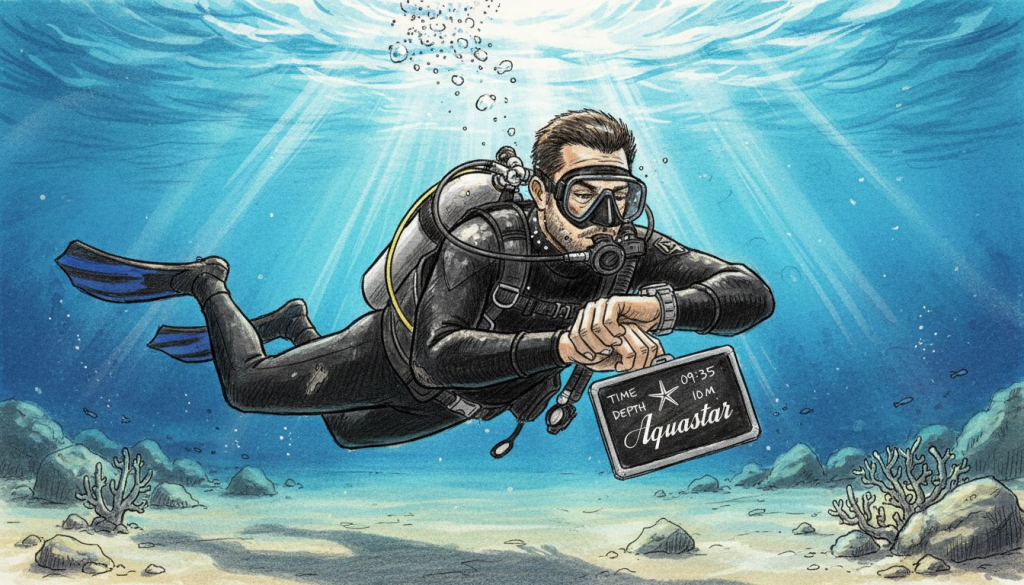
Selecting a professional dive watch is more complex than picking a stylish timepiece. Your safety underwater depends on critical features like ISO 6425 certification, reliable mechanical movements, and proper water resistance ratings. This comprehensive checklist guides you through every essential element, from understanding certification standards to maintaining your watch for years of dependable service, ensuring you make an informed choice that protects you on every dive.
Table of Contents
- Introduction To Professional Diver Watches
- Prerequisites And Certification Standards
- Core Features And Movement
- Material Requirements For Durability
- Maintenance And Care Of Dive Watches
- Safe Usage And Common Mistakes To Avoid
- Expected Results And Performance Benchmarks
- Explore Professional Dive Watches Designed For Safety And Performance
- Frequently Asked Questions
Key takeaways
| Point | Details |
|---|---|
| ISO 6425 certification and 300m+ water resistance are mandatory for professional diving safety | These standards ensure your watch can withstand extreme underwater pressure and provide reliable timing |
| Mechanical automatic movements eliminate battery failure risks that can compromise dive computer backups | Self-winding mechanisms perform consistently under pressure without electronic vulnerabilities |
| Unidirectional bezels with secure locking prevent dangerous timing errors during decompression | A single misalignment can extend dive time calculations and cause serious health risks |
| 316L stainless steel cases and sapphire crystals resist corrosion and impacts effectively | Premium materials ensure your watch survives saltwater exposure and physical stress |
| Servicing at the recommended interval (every 5 to 10 years) keeps seals and movement in good order | Regular maintenance preserves water resistance and catches potential issues before they become critical |
Introduction to professional diver watches
Professional dive watches serve as critical backup instruments for underwater timing and decompression calculations. Unlike recreational timepieces, these tools must meet rigorous ISO 6425 certification standards that mandate minimum 200m water resistance and essential safety features like unidirectional bezels. This certification ensures your watch can perform reliably when dive computers fail or batteries die unexpectedly.
The distinction between recreational and professional dive watches centers on survivability under extreme conditions. ISO 6425 certification mandates specific safety features such as minimum 200m water resistance and unidirectional bezels essential for diver safety, creating a baseline standard that separates genuine dive instruments from fashion watches. Professional models undergo pressure testing, shock resistance verification, and legibility assessments that recreational watches often skip.
Mechanical automatic movements dominate professional dive watches because they eliminate battery dependency. Self-winding mechanisms harness your wrist motion to maintain power reserves, removing the risk of electronic failure during critical dives. These movements also perform consistently under pressure changes that can affect quartz crystal oscillations, making them the preferred choice for commercial and technical divers who need absolute reliability.
Key features that define professional dive watches include:
- Pressure-tested cases that exceed stated water resistance ratings
- Anti-magnetic shields protecting movement accuracy near electronic equipment
- Screw-down crowns with multiple gasket seals preventing water ingress
- High-contrast dials with luminous markers visible in zero-light conditions
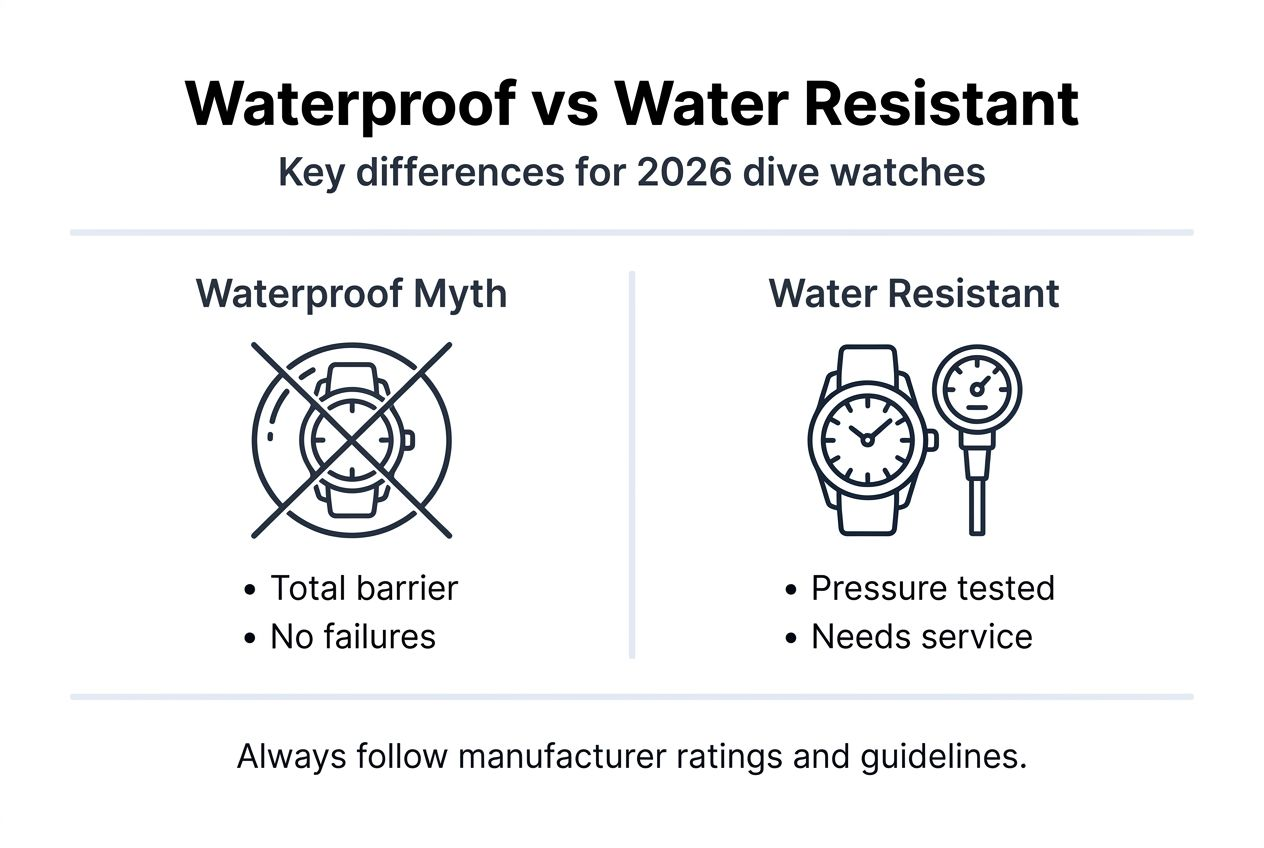
Understanding how to identify genuine dive watches protects you from marketing hype and ensures your investment meets actual diving requirements. Manufacturers sometimes label watches as “diver-inspired” or “water-resistant” without submitting them for ISO certification, leaving you with attractive but ultimately unreliable tools when you descend beyond recreational depths.
Prerequisites and certification standards
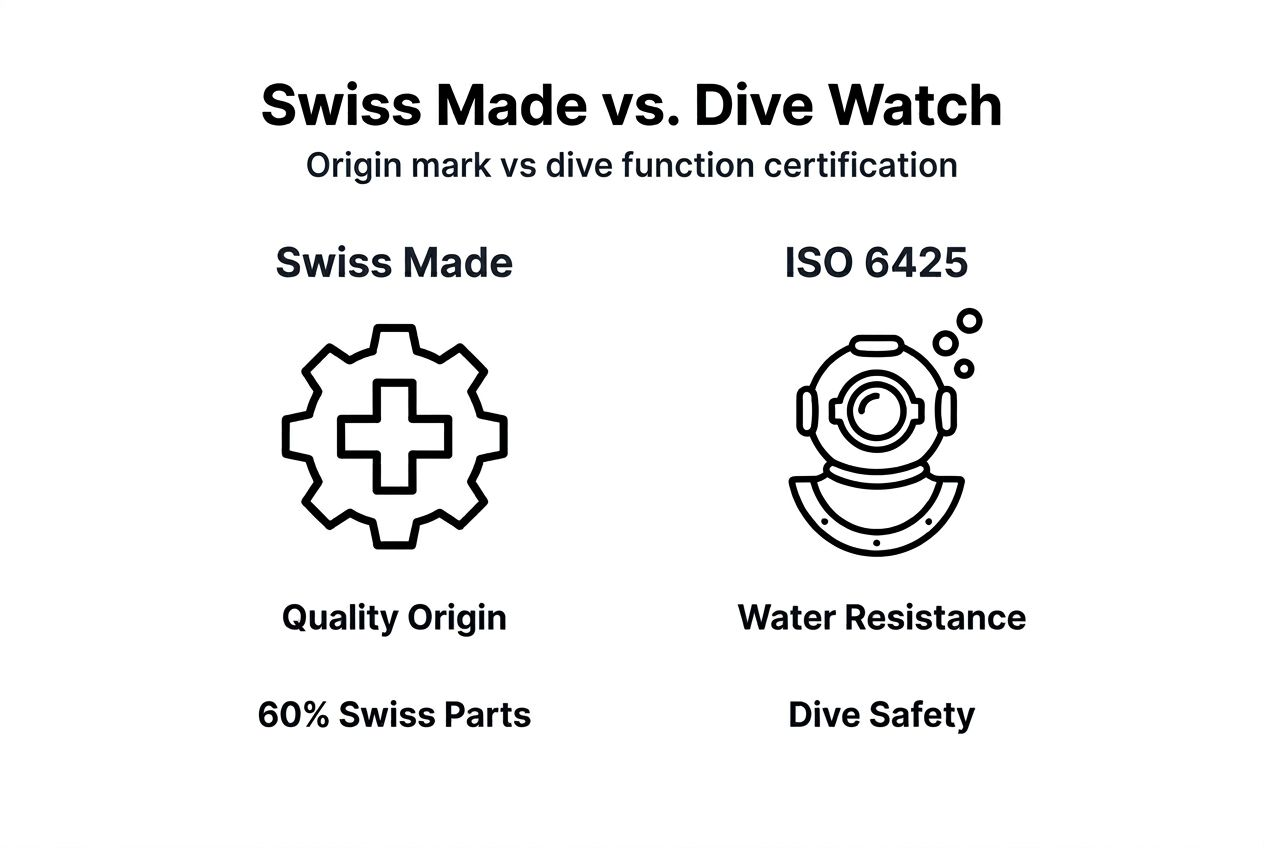
Before selecting a professional dive watch, you must understand the certification requirements that separate qualified instruments from recreational timepieces. ISO 6425 testing subjects watches to rigorous pressure cycles, magnetic field exposure, shock resistance evaluations, and legibility assessments under simulated diving conditions. Only watches that pass every test earn the “DIVER’S” designation on their dial, providing visual confirmation of compliance.
Water resistance ratings create confusion because manufacturers use different measurement systems. The table below clarifies the relationship between stated resistance and actual safe diving depths:
| Rating | Pressure | Safe Depth | Professional Use |
|---|---|---|---|
| 100m | 10 ATM | Surface swimming only | Not suitable for diving |
| 200m | 20 ATM | Recreational diving to 40m | Minimum ISO 6425 requirement |
| 300m | 30 ATM | Professional diving to 60m | Recommended for commercial divers |
| 500m+ | 50+ ATM | Technical diving beyond 100m | Saturation and deep technical work |
Professional divers should target 300m+ water resistance for added safety and compliance with ISO standards, providing a substantial safety margin beyond typical working depths. This buffer accounts for dynamic pressure spikes from rapid movements, temperature fluctuations affecting gasket compression, and the cumulative stress of repeated dive cycles that gradually compromise seal integrity.
Certification verification requires checking specific markings and documentation:
- “DIVER’S” or “DIVER’S WATCH L M” printed on the dial face
- ISO 6425 compliance statement in manufacturer specifications
- Individual serial numbers with pressure test documentation
- Screw-down crown with depth rating engraved on case back
Material standards for ISO 6425 certification verification mandate corrosion-resistant case construction, typically 316L stainless steel or titanium alloys. The case must maintain water resistance after exposure to saltwater immersion tests lasting multiple hours, simulating extended dive missions. Gaskets and seals require fluoroelastomer compounds that resist degradation from temperature extremes and chemical exposure.
Understanding professional dive watch standards helps you evaluate manufacturer claims objectively. Some brands advertise impressive depth ratings without submitting watches for independent ISO testing, relying on internal pressure tests that may not replicate real diving stresses. Always verify third-party certification rather than accepting marketing materials at face value.
Core features and movement
Mechanical automatic movements power the majority of professional dive watches because they eliminate electronic failure points. These self-winding mechanisms use a weighted rotor that spins with wrist motion, transferring energy to the mainspring through a gear train. The absence of batteries removes concerns about power depletion during multi-day dive operations or expeditions where replacement batteries are unavailable.
The advantages of mechanical automatic movements extend beyond simple battery independence. Pressure changes at depth can affect quartz crystal oscillation frequencies, introducing timing errors that compound over long dives. Mechanical movements maintain consistent amplitude through their escapement mechanisms, delivering reliable accuracy regardless of pressure fluctuations. This consistency makes them the preferred choice for technical divers conducting decompression stops where timing precision directly impacts safety.
Unidirectional bezels represent the single most critical safety feature on any dive watch. Unidirectional bezels prevent accidental forward rotation, guarding against decompression sickness risks caused by extended dive timing. If a bezel rotates forward accidentally, it makes your dive appear shorter than actual elapsed time, potentially causing you to ascend too quickly without proper decompression. The ratcheting mechanism allows only backward rotation, which shortens apparent dive time and errs on the side of safety.
Modern professional dive watches feature 120-click ceramic bezel inserts that provide precise one-minute intervals. Ceramic construction resists scratching and fading better than aluminum inserts, maintaining legibility throughout years of use. The click mechanism must engage positively enough to prevent accidental movement from impacts or caught fabric, yet remain easy enough to adjust with gloved hands in cold water conditions.
Luminous dial performance determines whether you can read your watch in zero-visibility conditions. Super-LumiNova compounds charge from ambient light exposure and emit a sustained glow lasting six to eight hours underwater. Professional models apply thick lume layers to hour markers and hands, creating distinct shapes you can identify by silhouette alone. The minute hand typically receives the brightest application since timing precision matters most during decompression.
Essential dial features for professional use include:
- High-contrast color schemes separating hands from dial backgrounds
- Oversized minute markers at 15, 30, 45, and 60-minute positions
- Differentiated hour and minute hand shapes preventing confusion
- Date windows positioned away from critical timing indicators
Pro Tip: Test your watch’s lume performance before every dive by charging it under bright light for 30 seconds, then checking visibility in complete darkness. Degraded lume compounds lose charging capacity over time and may need reapplication by a qualified watchmaker to maintain safety standards.
Material requirements for durability
Case construction materials directly impact how well your dive watch withstands corrosion, pressure, and physical impacts over years of saltwater exposure. 316L stainless steel dominates professional dive watch cases because it contains molybdenum additives that dramatically improve resistance to chloride corrosion. This alloy maintains structural integrity through thousands of saltwater immersions without pitting or stress fractures that compromise water resistance.
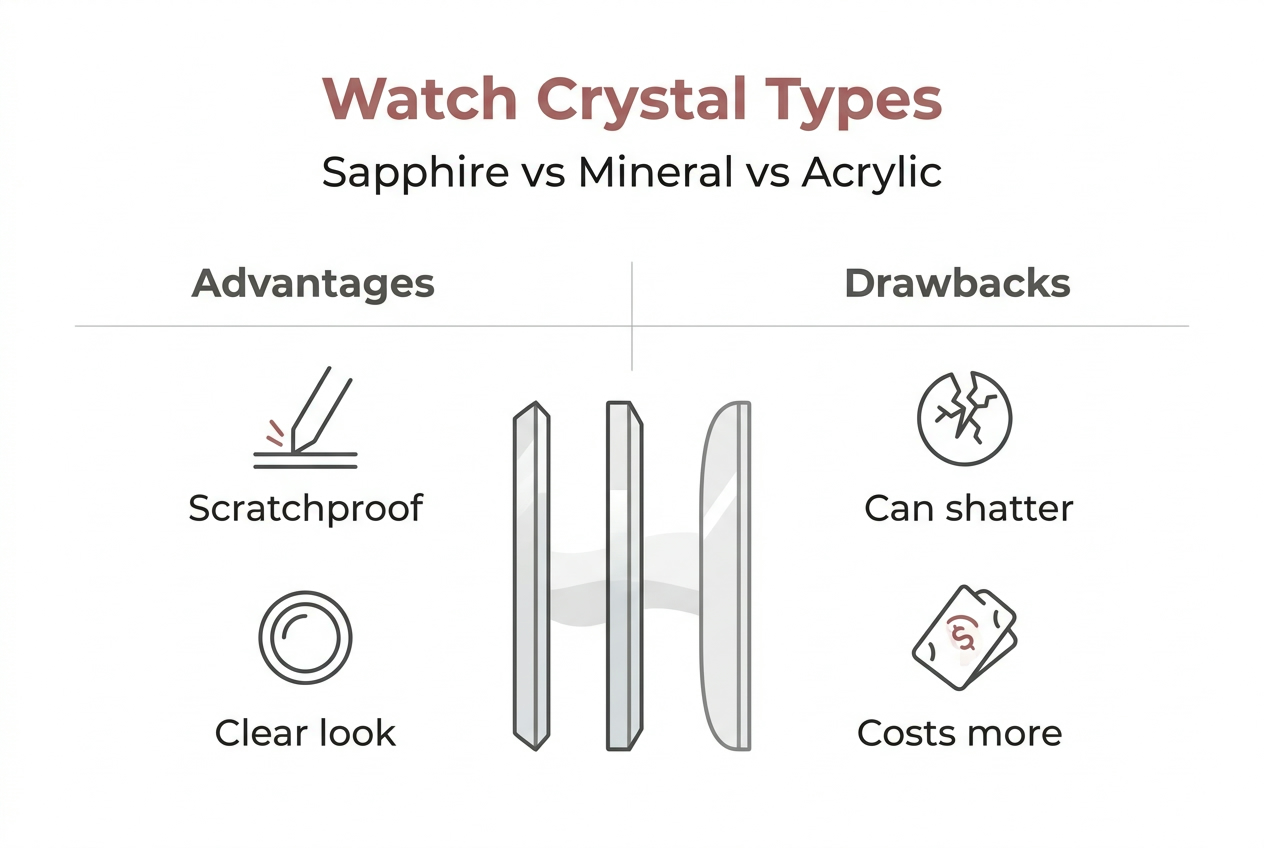
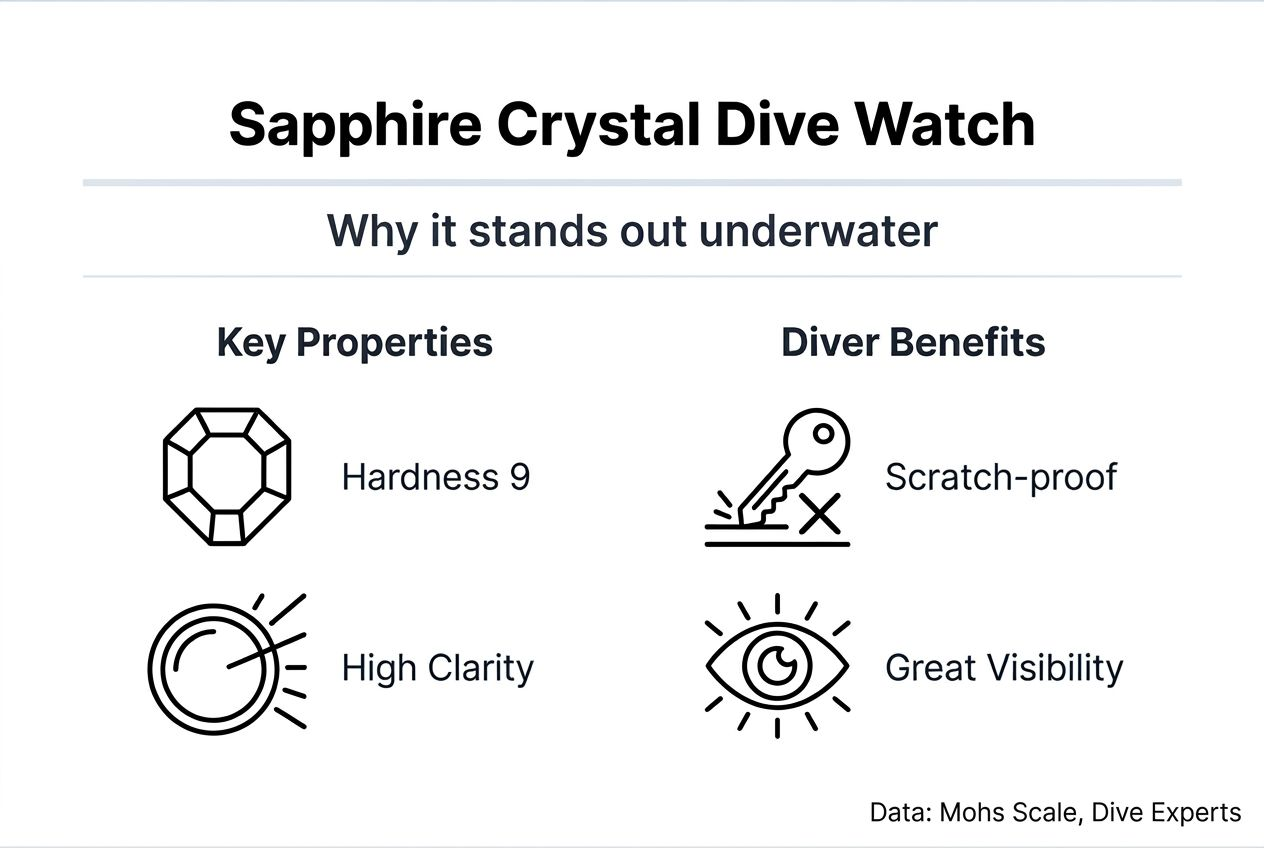
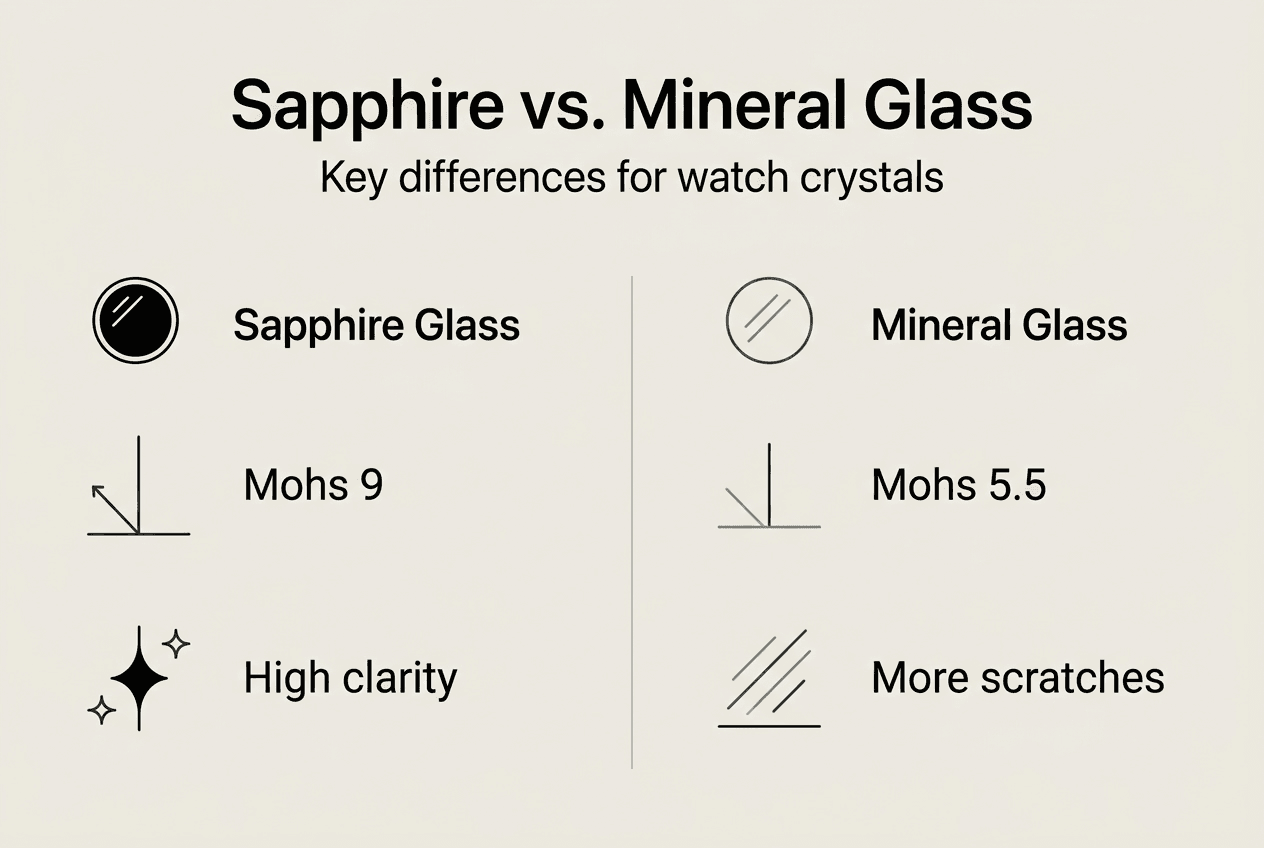
Sapphire crystal provides scratch resistance far superior to mineral glass or acrylic alternatives. Measuring 9 on the Mohs hardness scale, sapphire resists scratching from sand, rocks, and metal surfaces you encounter during boat diving or wreck penetration. The crystal’s clarity remains consistent under pressure, avoiding the optical distortion that can occur with softer materials when exposed to depth-related stress. Anti-reflective coatings on inner crystal surfaces reduce glare from dive lights and surface reflections.
Ceramic bezel inserts offer longevity advantages over traditional aluminum or painted steel. The material resists fading from UV exposure during surface intervals and maintains legible markings through years of use. Ceramic’s hardness prevents the gradual wear that causes aluminum bezels to develop play in their ratcheting mechanisms, ensuring your bezel maintains positive click engagement throughout the watch’s service life.
The comparison below shows how materials perform across critical durability metrics:
| Material | Corrosion Resistance | Scratch Resistance | Pressure Tolerance | Weight |
|---|---|---|---|---|
| 316L Stainless Steel | Excellent | Good | Excellent | Medium |
| Titanium Grade 5 | Outstanding | Very Good | Excellent | Light |
| Ceramic | Excellent | Outstanding | Good | Medium |
| Sapphire Crystal | Immune | Outstanding | Excellent | Light |
| Bronze | Poor (develops patina) | Fair | Good | Heavy |
Gasket materials determine long-term water resistance reliability. Fluoroelastomer compounds resist temperature extremes from freezing surface conditions to warm tropical waters, maintaining seal compression across environmental changes. These synthetic rubbers also resist degradation from exposure to sunscreen, insect repellent, and cleaning solvents that commonly contact dive watches. Standard rubber gaskets deteriorate faster, requiring more frequent replacement to maintain rated water resistance.
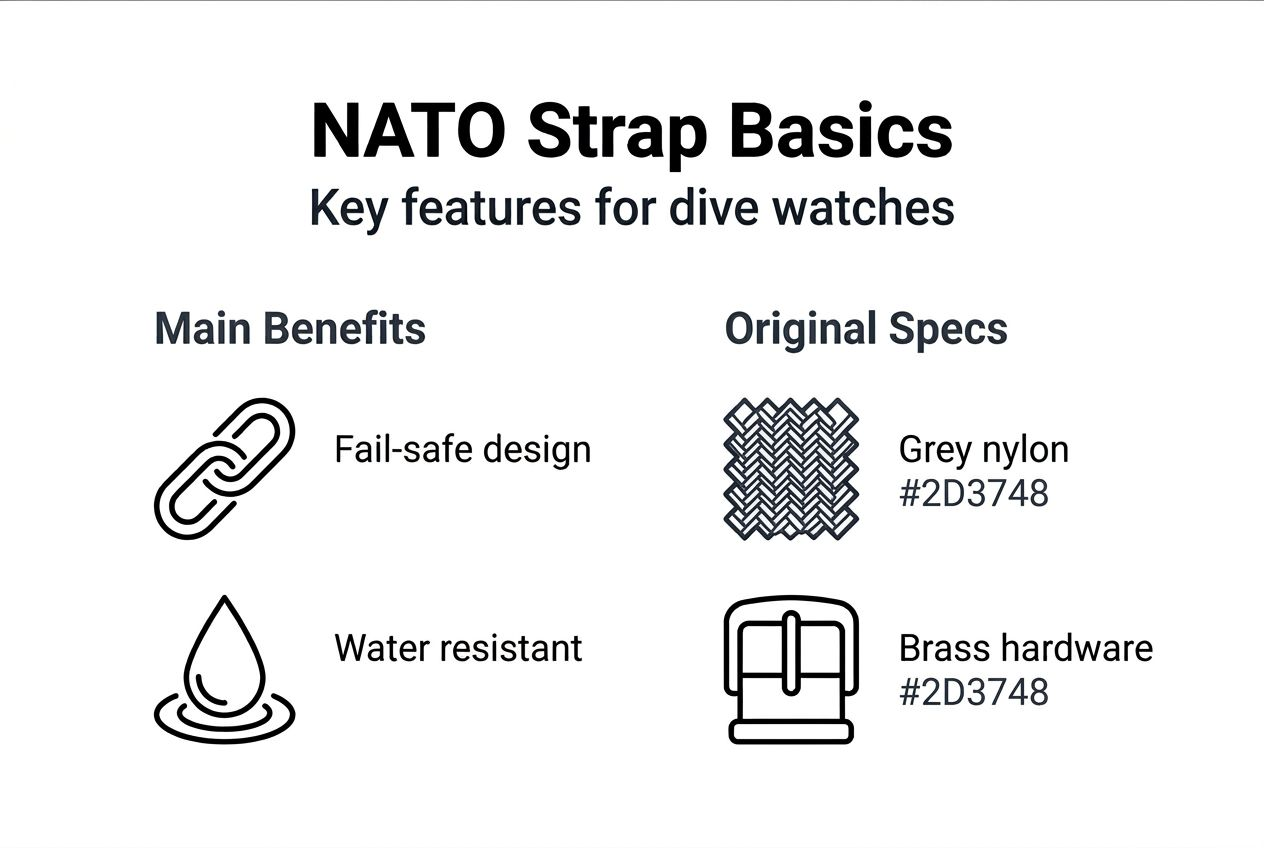
Bracelet and strap materials require the same corrosion considerations as cases. Stainless steel bracelets need solid end links rather than hollow construction to prevent stress failures at connection points. Dive extension clasps allow bracelet adjustment over wetsuits without removing the watch, maintaining secure wearing during equipment changes. NATO-style nylon straps provide backup security if spring bars fail, since the strap passes under the case rather than connecting solely through lugs.
Understanding professional watch material standards helps you evaluate manufacturer specifications critically. Some brands use marketing terms like “marine-grade steel” without specifying the actual alloy composition, potentially delivering inferior corrosion resistance compared to certified 316L stainless. Always verify material specifications against established standards rather than accepting vague quality claims.
Maintenance and care of dive watches
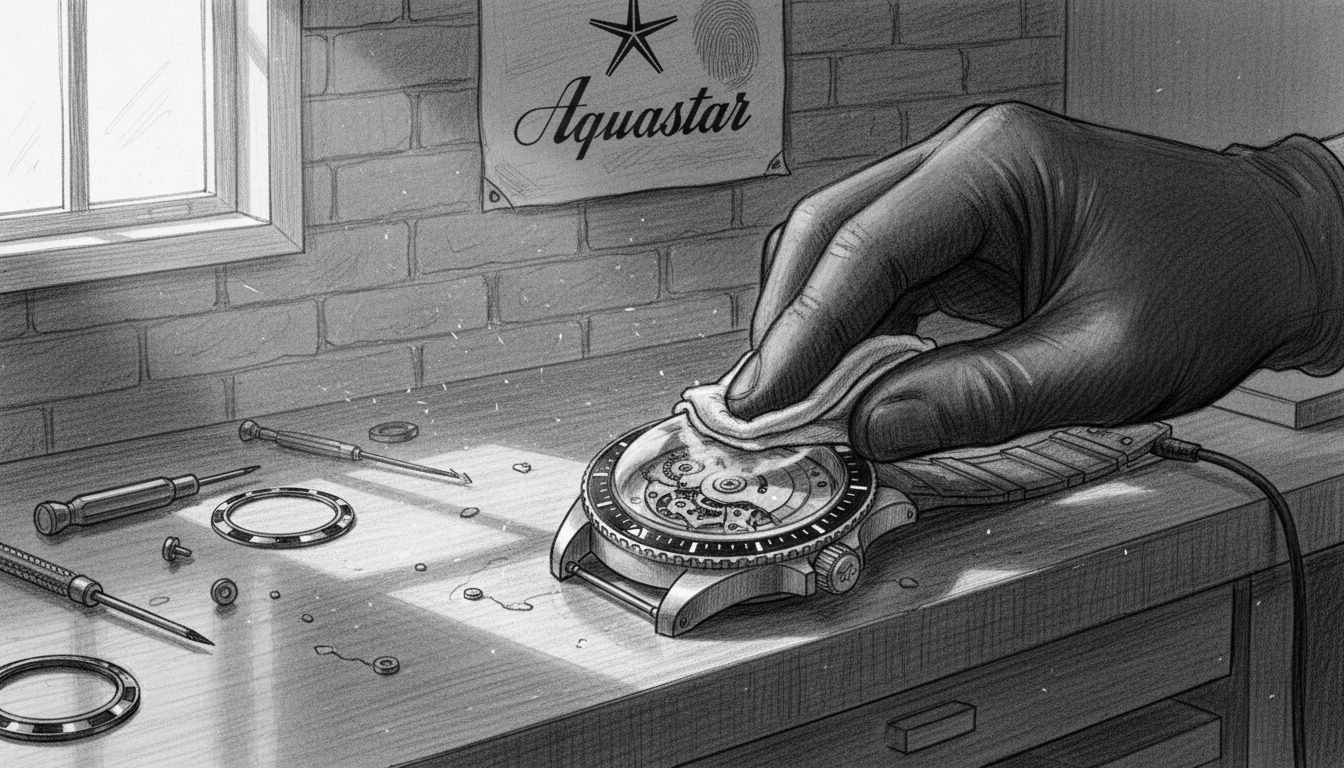
Servicing at the recommended interval (every 5 to 10 years) forms the foundation of dive watch reliability. Professional watchmakers disassemble movements, clean components ultrasonically, replace lubricants, and verify seal integrity through pressure testing. This comprehensive service catches potential failures before they occur, identifying worn gaskets or degraded lubricants that could allow water ingress during your next dive. High usage of dive watches without proper maintenance increases the risk of seal breaches and water damage.
Mechanical movements avoid the battery replacement cycle that creates vulnerability windows in quartz watches. Every time a battery compartment opens, gaskets compress and decompress, gradually losing their sealing effectiveness. Dive watch maintenance tips emphasize that automatic movements eliminate this repeated seal disturbance, maintaining consistent water resistance between service intervals. You never face the risk of diving with a dead battery or freshly replaced cell that wasn’t properly sealed.
Follow this maintenance schedule to maximize dive watch longevity:
- Rinse with fresh water after every saltwater dive to remove chloride deposits
- Check bezel action monthly for smooth rotation without excessive play
- Test crown operation quarterly to ensure screw threads engage cleanly
- Schedule pressure testing and gasket inspection at the recommended service interval (every 5 to 10 years) with certified watchmakers
- Complete full movement service every five years including cleaning and lubrication
- Replace gaskets proactively at three-year intervals regardless of test results
Pressure testing between service intervals provides early warning of seal degradation. Many dive shops offer quick pressure tests using dry air rather than water immersion, protecting your movement while verifying water resistance ratings. These tests take minutes and cost substantially less than repairing water damage from a compromised gasket you didn’t know had failed.
Pro Tip: Never operate your crown or bezel while underwater, even if manufacturer specifications claim water resistance during adjustment. Every crown pull or bezel rotation creates temporary seal gaps that can allow water ingress under pressure, regardless of stated ratings. Make all timing adjustments on the surface with dry hands.
Storage practices between diving seasons affect movement health significantly. Automatic watches benefit from regular wear or winder use that keeps lubricants distributed evenly across gear trains. Extended storage allows oils to settle and thicken, increasing friction when you restart the movement. If storing your watch for more than two weeks, consider a quality watch winder set to rotate through daily cycles matching your typical wearing pattern.
Safe usage and common mistakes to avoid
Accidental bezel rotation represents the most dangerous operational error divers make with their watches. Accidental forward bezel rotation can cause dangerous decompression sickness by miscalculating dive time, extending your perceived bottom time beyond safe decompression limits. Always verify your bezel locked in position before descending, and develop the habit of checking alignment at regular intervals during your dive. A quick glance confirms the marker remains aligned with your minute hand position.
Critical pre-dive verification steps include:
- Confirm ISO 6425 certification marking on dial before using watch for dive timing
- Test lume brightness in darkness to ensure adequate charging and visibility
- Verify bezel clicks positively through full rotation without binding or skipping
- Check crown screws down completely with no gaps between threads
- Inspect crystal and case for cracks or damage that could compromise seals
Many divers mistakenly trust water resistance ratings without understanding depth safety margins. A 200m rated watch reaches its tested limit at 200m, leaving no buffer for dynamic pressure spikes from swimming motions or temperature changes. Professional use demands ratings substantially exceeding your maximum planned depth, typically 300m minimum for dives to 40m working depth. This margin accommodates the pressure multiplication that occurs from arm movements and equipment impacts during actual diving.
Ignoring manufacturer service intervals creates cascading failure risks. Gaskets compress permanently over time, losing their ability to seal effectively even when not visibly damaged. Lubricants break down from thermal cycling and oxidation, increasing friction that accelerates gear wear and timing drift. The money saved by skipping recommended service (every 5 to 10 years) disappears instantly when water damage requires complete movement replacement instead of simple preventive maintenance.
“The most reliable dive watch is worthless if you don’t verify its condition before trusting your safety to it. Pre-dive checks take 60 seconds but prevent catastrophic failures that could end your dive or worse.”
Another common mistake involves mixing watch brands with incompatible service parts. Using generic gaskets or crystals rather than manufacturer-specified components compromises water resistance certifications. Third-party parts may fit physically but lack the material specifications or dimensional tolerances that maintain rated performance. Always insist on original equipment manufacturer parts during service to preserve your watch’s certification status and reliability.
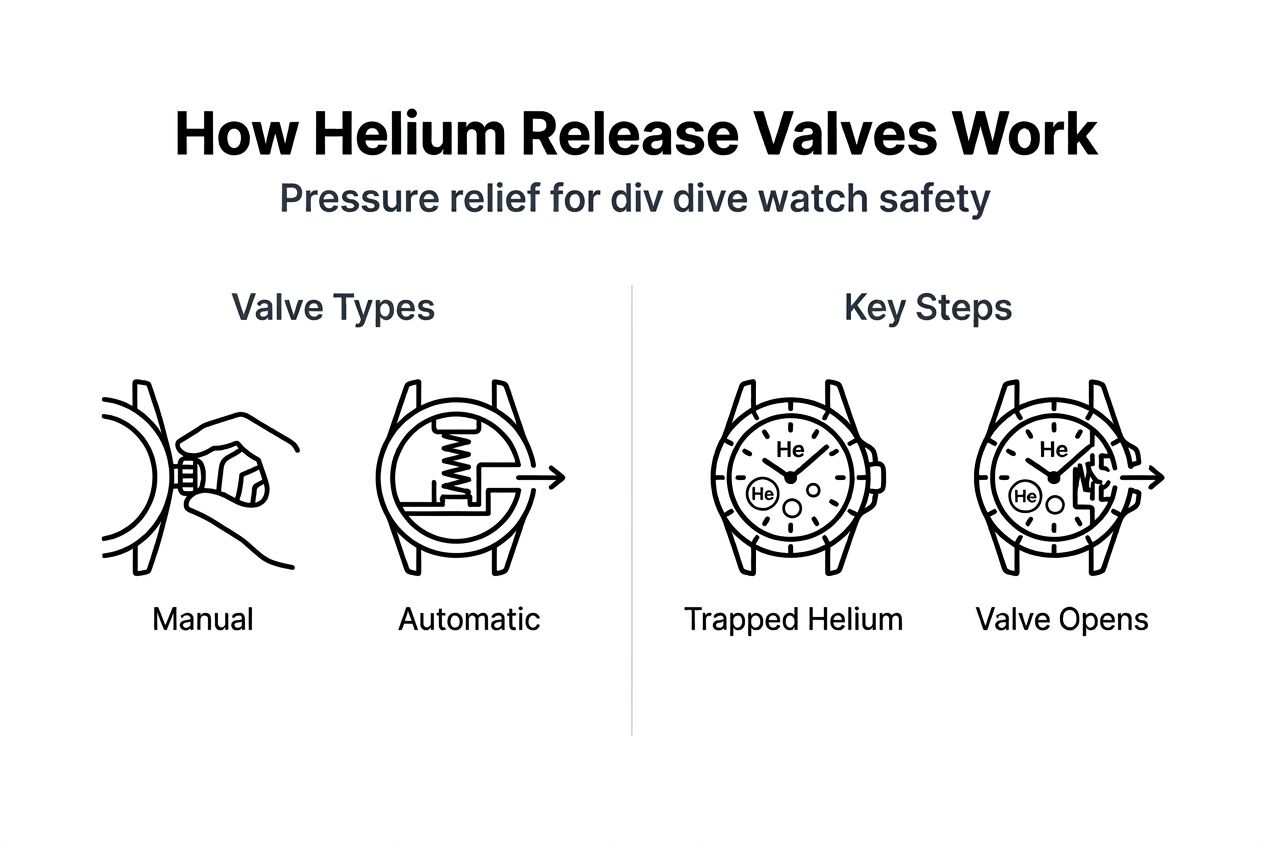
Divers sometimes assume helium escape valves are necessary for all professional diving. These valves serve specific purposes for saturation diving where helium accumulates inside the case during extended chamber time. Recreational and commercial air diving doesn’t require escape valves, and the additional case penetration creates another potential water ingress point. Evaluate whether your diving profile actually needs this feature before selecting watches based on specifications you won’t use.
Expected results and performance benchmarks
A properly selected and maintained professional dive watch delivers consistent performance across multiple metrics. Timing accuracy should remain within COSC chronometer standards of negative four to positive six seconds per day, even after exposure to diving conditions. This precision ensures your decompression calculations remain accurate throughout multi-dive days when you rely on elapsed timing for surface intervals and repetitive dive planning.
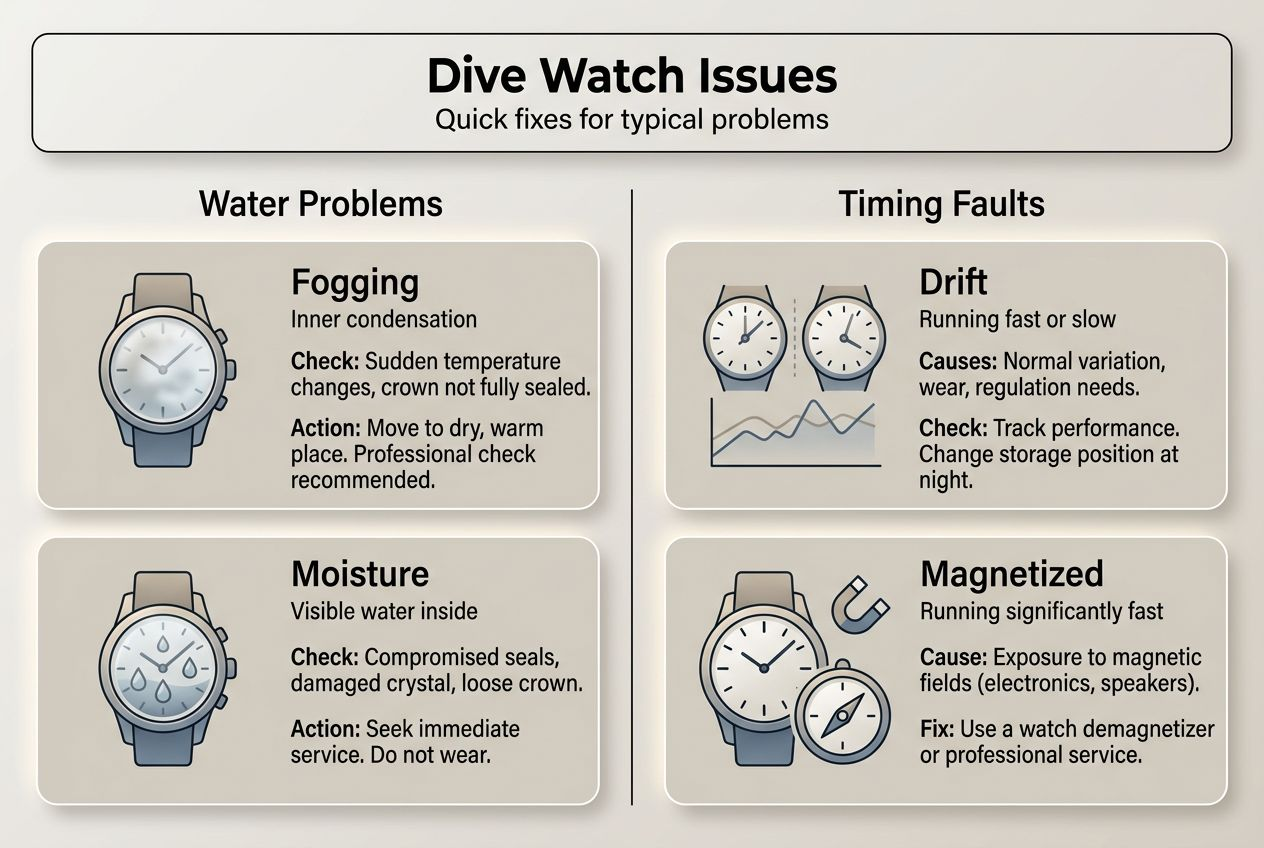
Water resistance performance must maintain rated depth capabilities through years of use when properly serviced. You should never experience fog, condensation, or water droplets inside your crystal during or after dives at depths well below your watch’s rating. Any moisture appearance indicates immediate seal failure requiring professional service before further use. Modern synthetic gaskets maintain compression through thousands of pressure cycles when installed correctly.
Luminous visibility creates quantifiable performance expectations. Super-LumiNova applications should provide clearly legible hour, minute, and bezel markings for minimum six hours after charging. You should distinguish hand positions instantly in complete darkness without requiring secondary light sources. Degraded lume that requires frequent recharging or provides less than four hours visibility needs professional reapplication to maintain safety standards.
The performance benchmarks table below shows what properly maintained professional dive watches achieve:
| Metric | Expected Performance | Testing Method | Service Interval |
|---|---|---|---|
| Timing Accuracy | +/- 6 seconds/day | 7-day position test | Verify every 5 to 10 years |
| Water Resistance | 100% at rated depth | Dry pressure test | Test every 5 to 10 years |
| Bezel Function | 120 clicks, no play | Manual rotation test | Check monthly |
| Lume Duration | 6-8 hours visible | Dark room observation | Monitor continuously |
| Power Reserve | 38-42 hours minimum | Timing after full wind | Verify at service |
Reliability improvements from proper maintenance are substantial. Servicing at the recommended interval, rather than waiting for problems to appear, catches wear early. This proactive approach catches gasket degradation, lubricant breakdown, and gear wear before they cause water ingress or movement failure. The cost of regular service represents a fraction of movement replacement expenses from preventable water damage.
Mechanical movements deliver additional benefits beyond simple timekeeping. The absence of electronics eliminates magnetic field sensitivity that can affect quartz accuracy near electrical equipment, metal detectors, or MRI machines. You never face battery depletion during critical dives or extended expeditions where replacement cells are unavailable. The movement continues running reliably as long as you wear the watch regularly or use a quality winder during storage periods.
Longevity expectations for professional dive watches span decades when properly maintained. Cases, crystals, and movements built to ISO 6425 standards regularly provide 20-30 years of reliable service with appropriate care. This durability makes quality dive watches genuine investments rather than consumable equipment, delivering consistent performance long after initial purchase costs are forgotten. Your watch becomes a trusted tool you depend on through thousands of dives across your career.
Explore professional dive watches designed for safety and performance
Now that you understand what separates professional dive watches from recreational timepieces, you can confidently evaluate models built to meet these rigorous standards. Aquastar specializes in professional dive watches that embody the ISO 6425 certification and 300m+ water resistance requirements covered throughout this checklist. Our heritage as the only Swiss watchmaker founded exclusively for dive watch manufacturing ensures every model prioritizes underwater reliability over fashion trends.
Our detailed guides help you understand the must-have diver watch features that ensure professional reliability, explaining how mechanical movements, unidirectional bezels, and material choices work together for your safety. If you’re deciding between movement types, our comparison of automatic vs manual dive watches clarifies the practical advantages of self-winding mechanisms for extended dive operations. When you’re ready to compare specific manufacturers, our best dive watch brands comparison evaluates how different makers approach professional diving requirements.
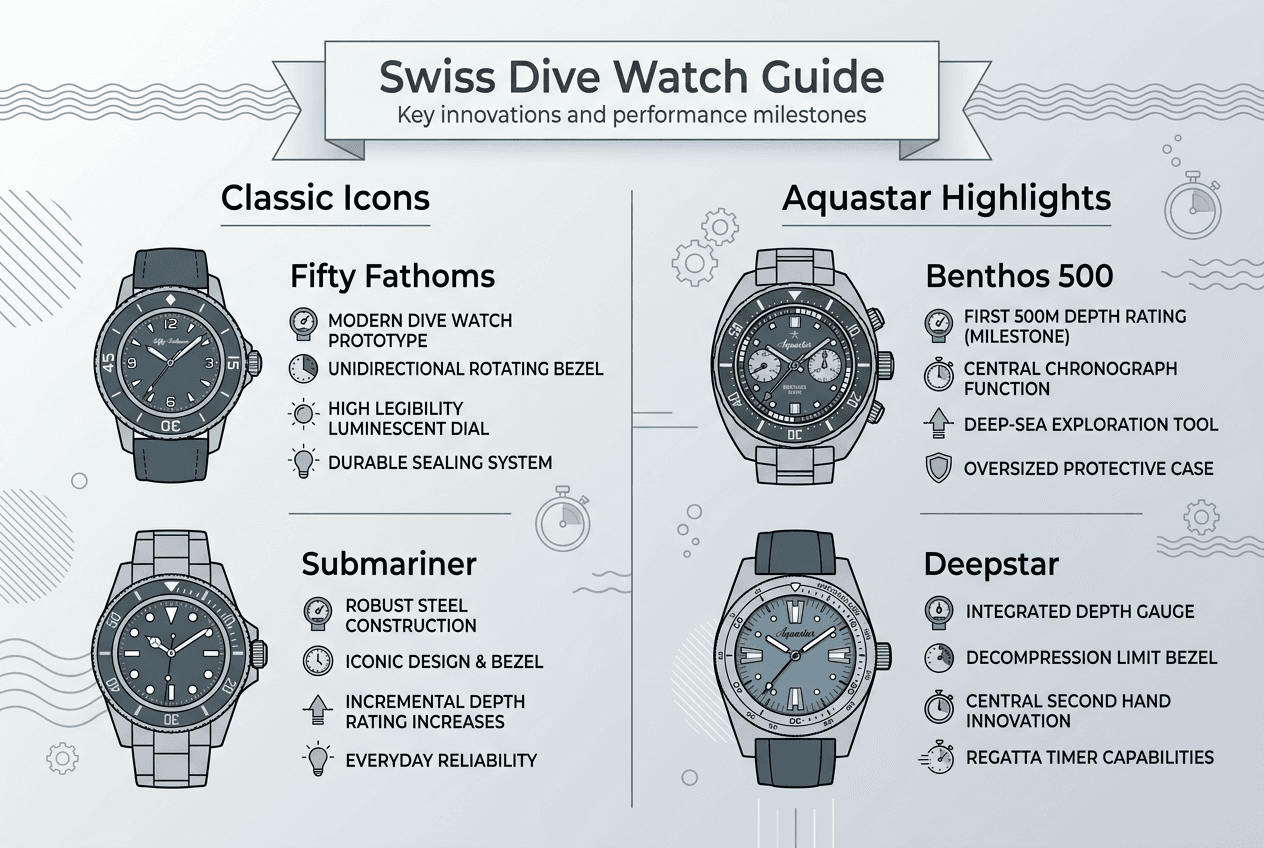
Aquastar continues our tradition of innovation that began with the first analog dive computer and the original Skindiver case. Today’s Aquastar models serve commercial and recreational divers who need reliable mechanical backups for their dive computers, built to the same exacting standards that made us pioneers in professional dive watch development.
Frequently asked questions
What is the minimum water resistance required for a professional diver watch?
ISO 6425 certification mandates minimum 200m water resistance, but this represents the absolute baseline for professional use. Most dive professionals should target 300m or higher ratings to provide safety margins beyond typical working depths. Dynamic pressure spikes from swimming motions, temperature changes, and repeated dive cycles all stress seals beyond static pressure ratings, making higher specifications essential for reliability. The additional pressure tolerance also accommodates watch aging and gasket compression that gradually reduces effective water resistance between service intervals.
Why is mechanical automatic movement preferred over quartz in dive watches?
Mechanical automatic movements eliminate battery failure risks that can compromise your backup timing instrument during critical dives. Self-winding mechanisms harness wrist motion to maintain power reserves without electronic components vulnerable to pressure changes or moisture exposure. Quartz crystals can experience frequency shifts under extreme pressure that affect timing accuracy, while mechanical escapements maintain consistent performance regardless of depth. The absence of battery replacement cycles also preserves water resistance by avoiding repeated seal disturbances that occur every time case backs open for cell changes.
How often should a professional dive watch be serviced?
Servicing every 5 to 10 years is sufficient for dive watches, even in active professional use. Regular maintenance includes pressure testing, gasket inspection and replacement, lubricant renewal, and timing regulation to catch potential failures before they occur. Servicing at the recommended interval, rather than waiting for problems to appear, helps keep a watch reliable. Between service intervals, rinse your watch with fresh water after every saltwater dive and monitor bezel function monthly to identify developing issues early.
Can I adjust my dive watch bezel or crown underwater?
Never operate your crown or bezel while submerged, regardless of manufacturer water resistance claims. Every adjustment creates temporary seal gaps that allow water ingress under pressure, even on watches rated for extreme depths. Make all timing adjustments on the surface with dry hands before descending. The unidirectional bezel design allows backward rotation if you must adjust during a dive, but this should remain an emergency procedure rather than standard practice. Develop surface habits of setting your bezel accurately before entry to avoid needing underwater adjustments that risk your watch and your safety.
Recommended
- 7 Must-Have Diver Watch Features for 300m+ Professional Use – Aquastar dive watches
- How to Collect Dive Watches: A Complete Collector’s Guide – Aquastar dive watches
- Dive Watch Cases Explained: Complete Collector’s Guide – Aquastar dive watches
- Best Dive Watch Brands – Expert Comparison 2025 – Aquastar dive watches